
Every January, CES sets the tone for what technology will bring into everyday life. CES 2026, taking place from 6–9 January in Las Vegas, brings together more than 4,000 exhibitors and offers a clear snapshot of where product innovation is heading next.
At PHOENIX, we do not chase CES for the hype. It is about staying close to the signals that matter for innovative product design, strategic design, and the future of design for wellbeing. This year’s show makes one thing clear: technology is becoming more specific, more human, and more embedded in daily routines.
Below are the key CES 2026 trends that stood out, and why they matter for designers, brands, and innovation teams.
A strong pattern across CES 2026 is the move away from “one-size-fits-all” technology. Products are becoming more focused, designed for clear use cases, specific user groups, and defined moments in everyday life.
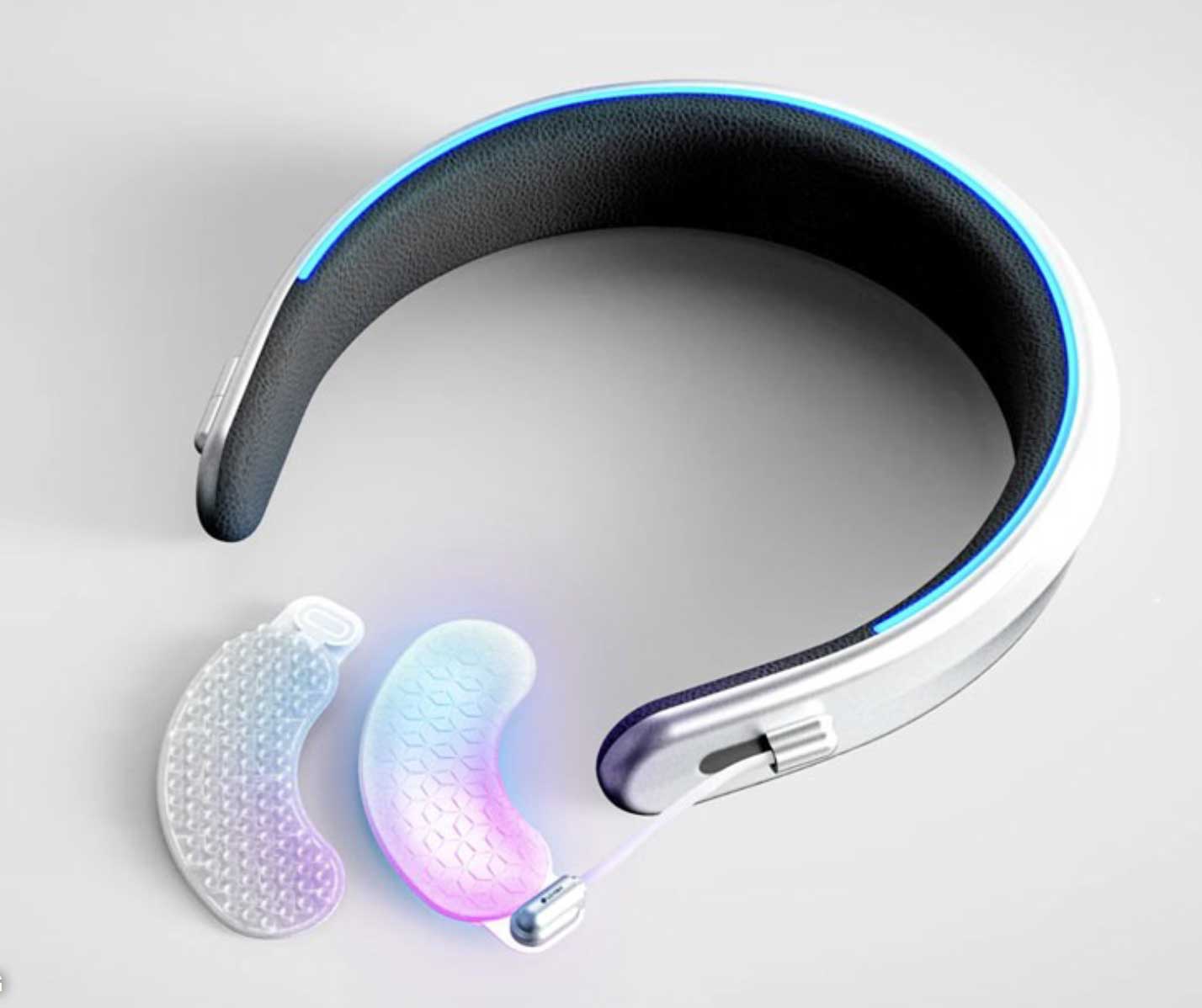
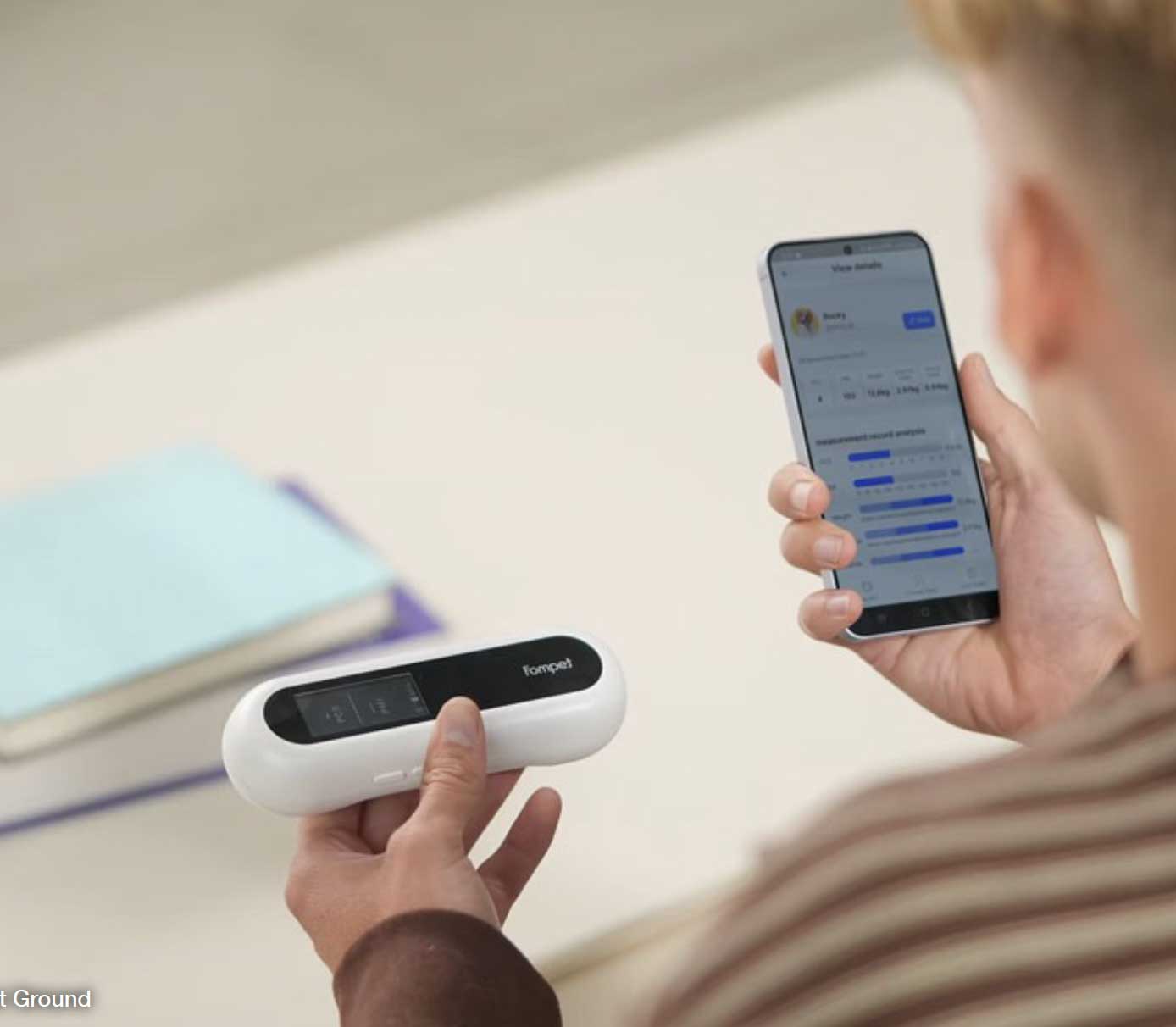
In digital health, this shift is especially visible. Instead of all-in-one wearables, many exhibitors are presenting devices that address distinct health needs. Examples include tools for preventive monitoring, pet health analysis, and assistive robots that support independent living. The focus is no longer on collecting as much data as possible, but on turning data into meaningful, understandable feedback.
For a product innovation studio, this reinforces an important principle: relevance comes from clarity. Products that solve one problem well often create more value than those that try to do everything at once.
Smart homes have been part of CES for years. In 2026, the conversation feels more grounded. Automation is no longer presented as a futuristic vision but as a practical helper for everyday tasks.
Task-specific devices dominate this space. AI-powered mirrors that suggest outfits based on weather and calendar data. Home therapy booths that assess physical signals and respond locally, without sending sensitive data to the cloud. Service robots that handle deliveries in apartment buildings and reduce last-mile logistics pressure.
These examples show a shift from novelty to usefulness. For product design studios, this highlights a growing expectation: technology should blend into daily life, reduce friction, and respect personal boundaries.
Wellbeing is one of the strongest threads running through CES 2026. What stands out is how broadly the term is interpreted. It no longer refers only to personal health devices, but to systems that support physical, emotional, and social wellbeing.
Assistive robots for visually impaired users, affective AI that detects driver fatigue, and home environments that respond to emotional states all point in the same direction. Wellbeing is becoming a design responsibility, not a feature.
For PHOENIX, this aligns closely with ongoing work in design for wellbeing. Products shape behaviour, routines, and long-term habits. CES 2026 shows that brands are starting to take this influence seriously.
Personalisation is another major theme, especially in beauty and personal care. Devices that analyse skin condition, environmental factors, and lifestyle data are used to create tailored routines and on-demand product formulations.
In-store systems that mix cosmetics on demand and at-home dispensers that adjust ingredients daily show how data-driven personalisation is moving from concept to reality. At the same time, many of these systems aim to reduce waste by limiting overproduction and excess packaging.
For business design and strategic design, this trend highlights a shift in value creation. Products are no longer static objects. They are services, platforms, and ongoing relationships between brand and user.
CES 2026 also places strong emphasis on food and nutrition. Indoor gardens with AI-supported plant monitoring, devices that prepare vitamin-rich drinks based on individual needs, and smart tools for baby nutrition all focus on making healthy choices easier.
What connects these products is not technological complexity, but reduction. Fewer steps, clearer feedback, and systems that work quietly in the background.
This approach reflects a broader direction in innovative product design: sustainability and wellbeing succeed when they fit naturally into daily routines.
CES is a technology show. Yet its relevance for design grows every year. The products presented in Las Vegas shape expectations long before they reach the market.
For PHOENIX, following CES is part of staying informed as a product innovation studio working across physical products, digital interfaces, and connected systems. The insights gathered here feed into early design phases, strategic discussions, and long-term innovation roadmaps.
CES 2026 confirms a direction that feels increasingly consistent across industries: technology is most successful when it is focused, understandable, and built around real human needs.
The trends emerging from CES 2026 point towards a more mature phase of innovation. Less spectacle. More substance. Products that respect users, support wellbeing, and integrate seamlessly into everyday life.
As a product design studio working at the intersection of technology, business, and wellbeing, PHOENIX continues to observe, analyse, and translate these signals into meaningful design work.
If you are interested in how these trends connect to ongoing design projects, future products, or strategic innovation questions, explore more insights in the PHOENIX Journal or get in touch with our team.