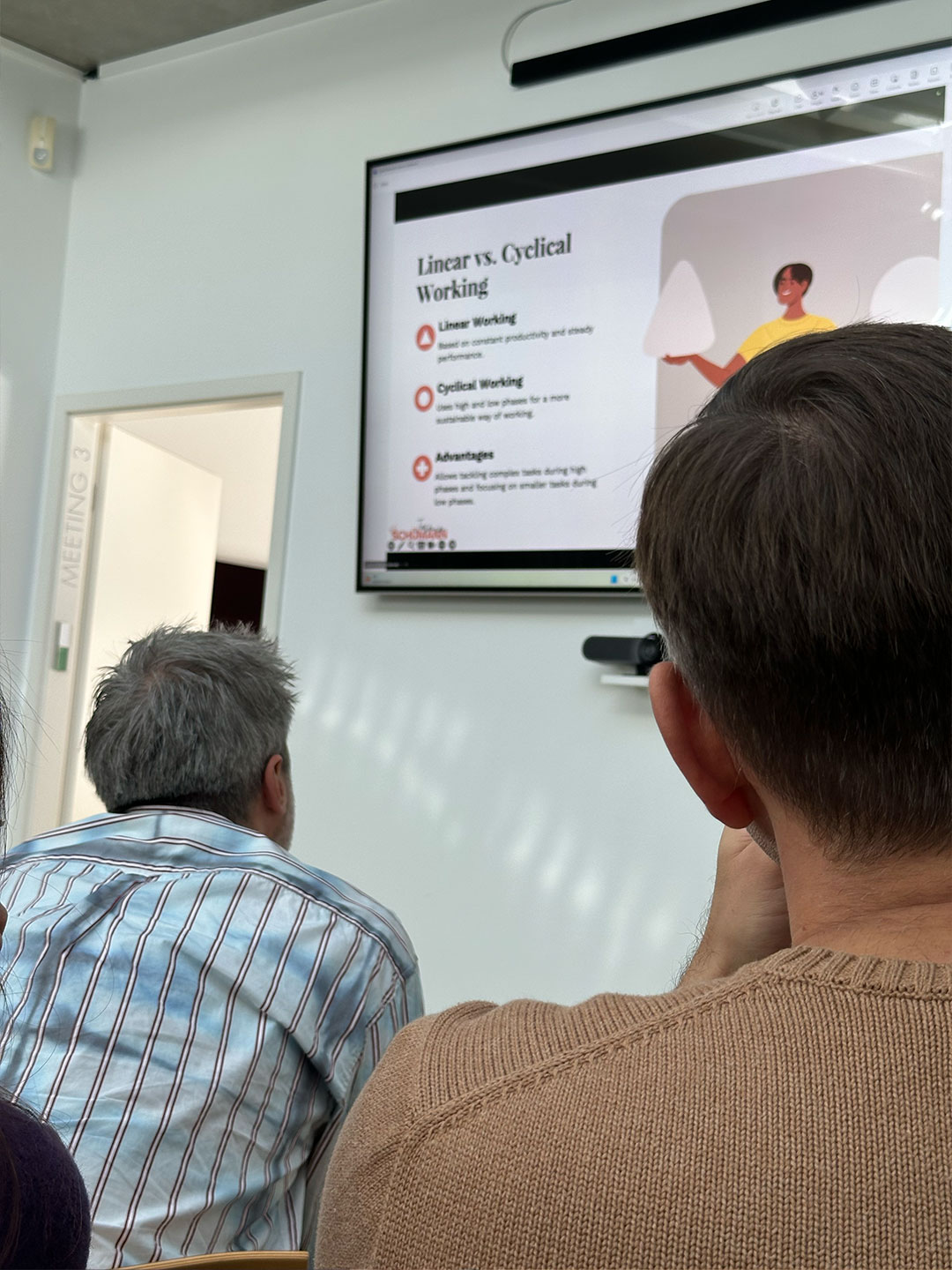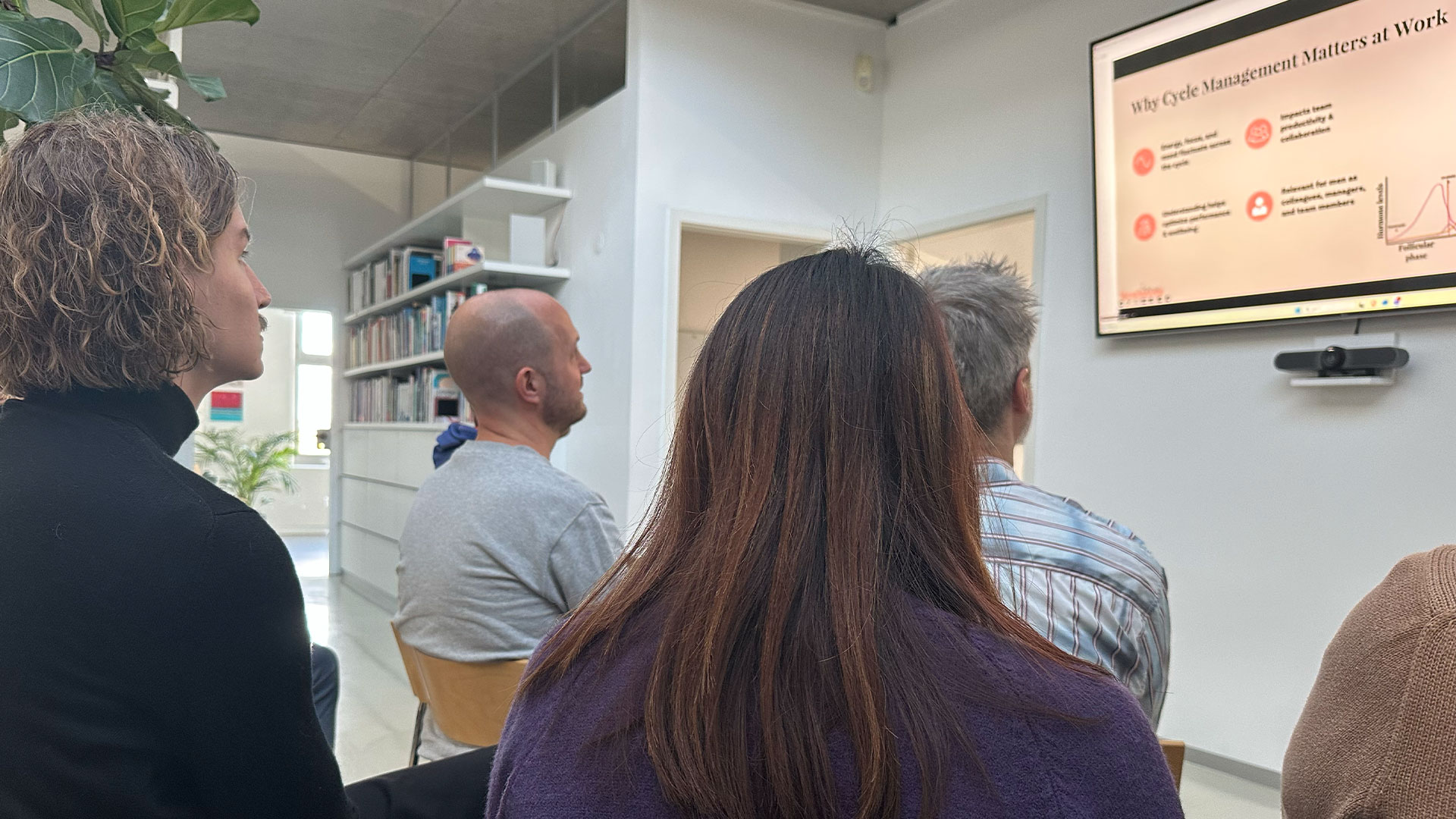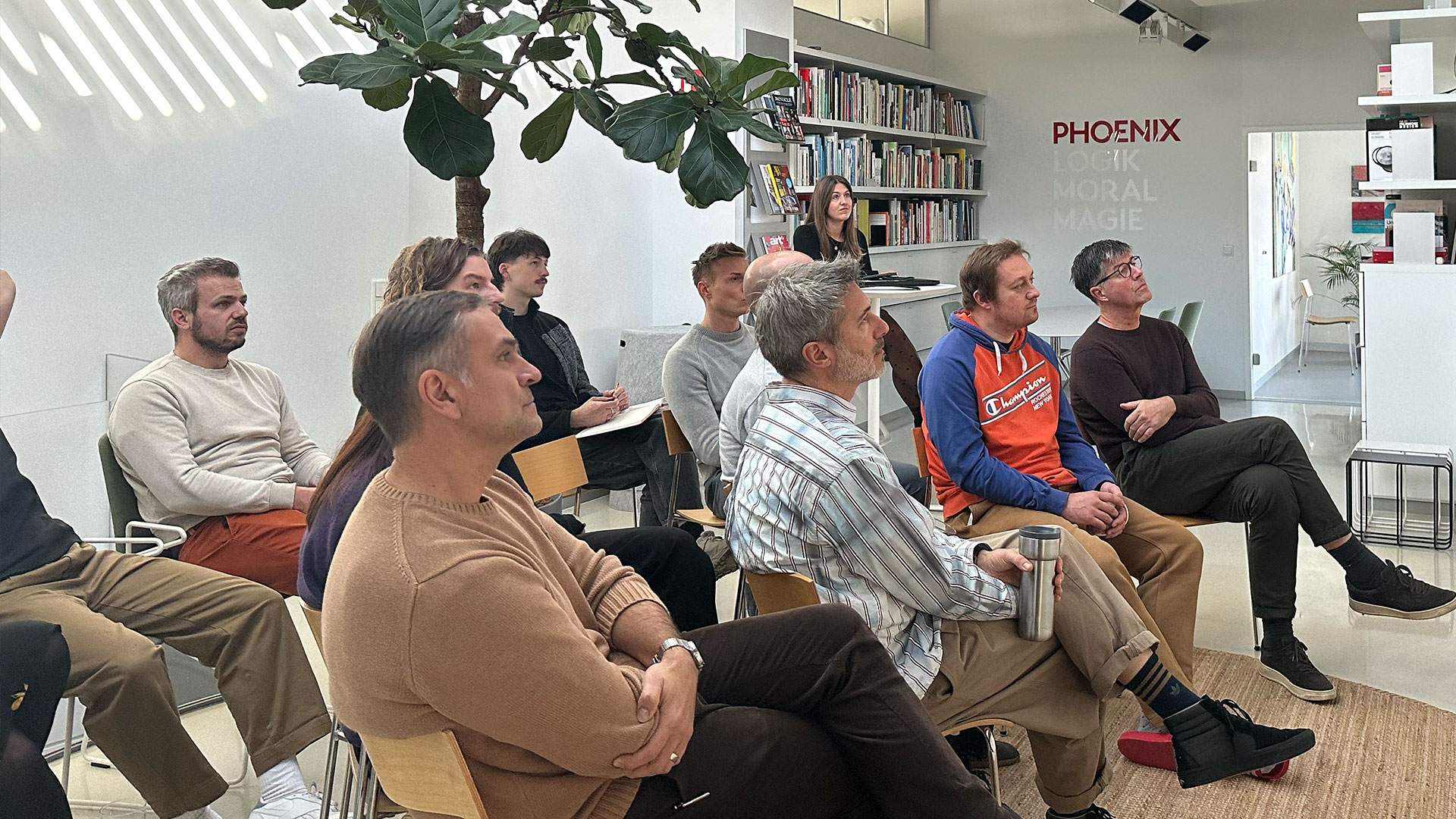
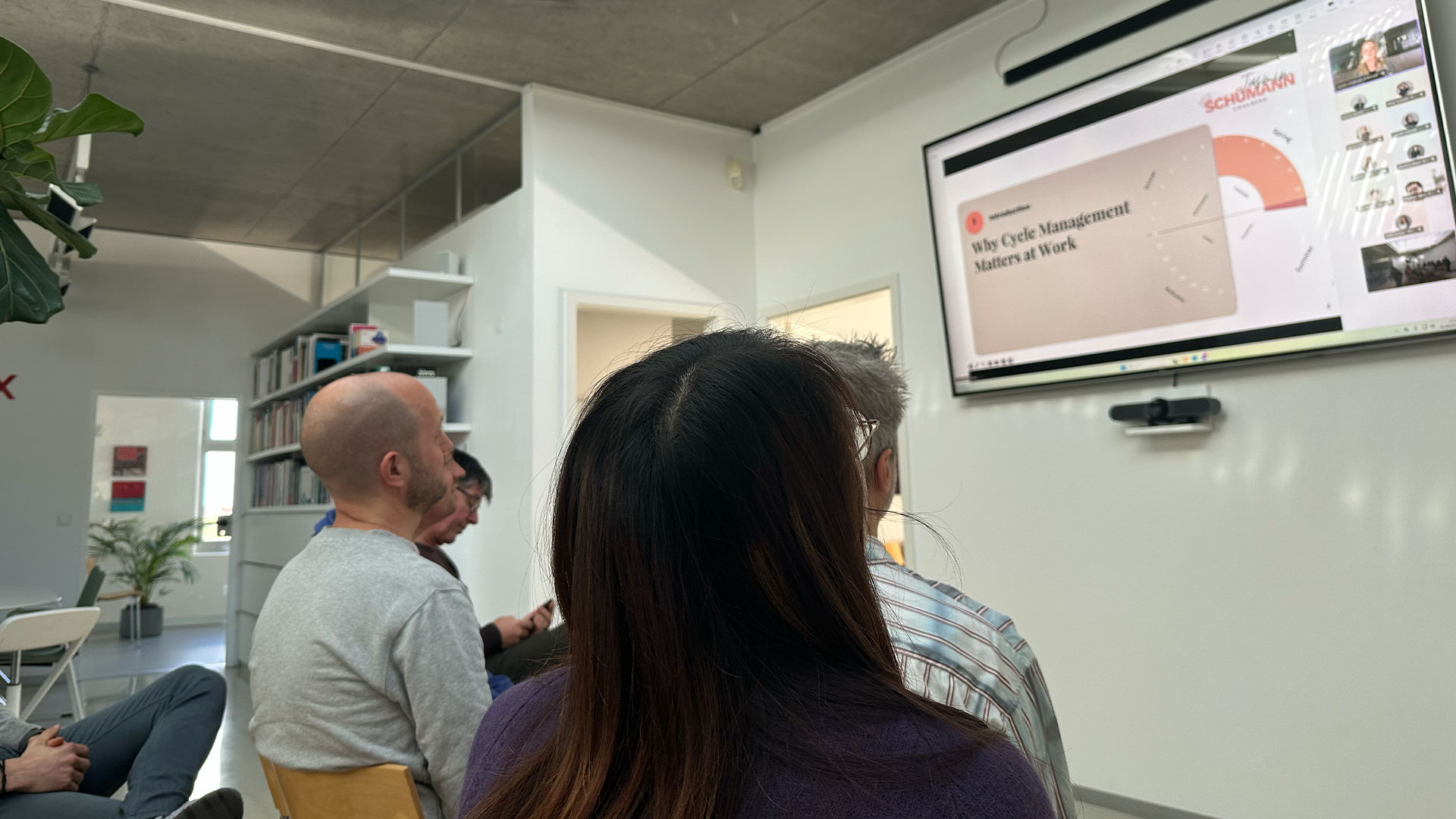
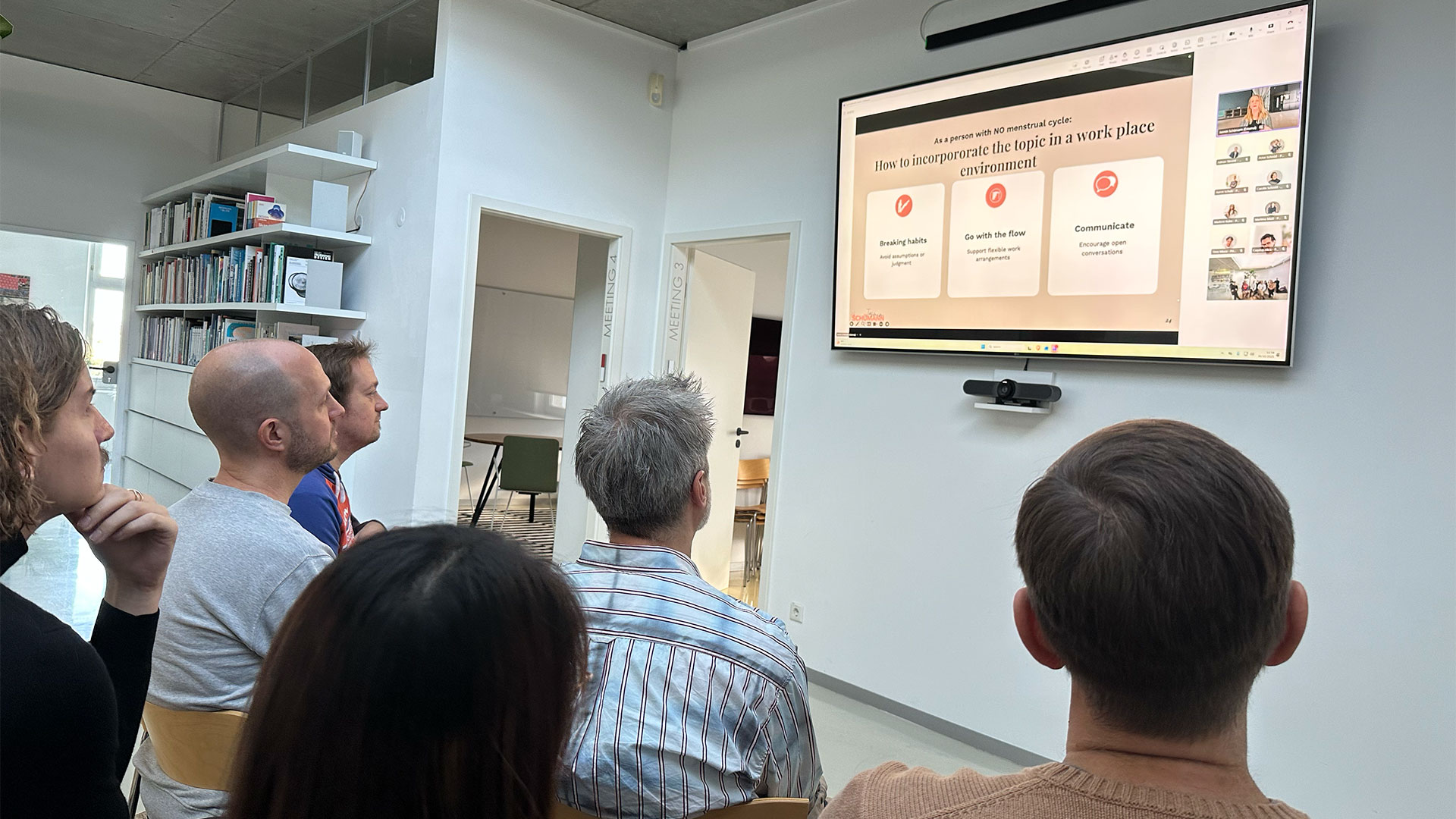


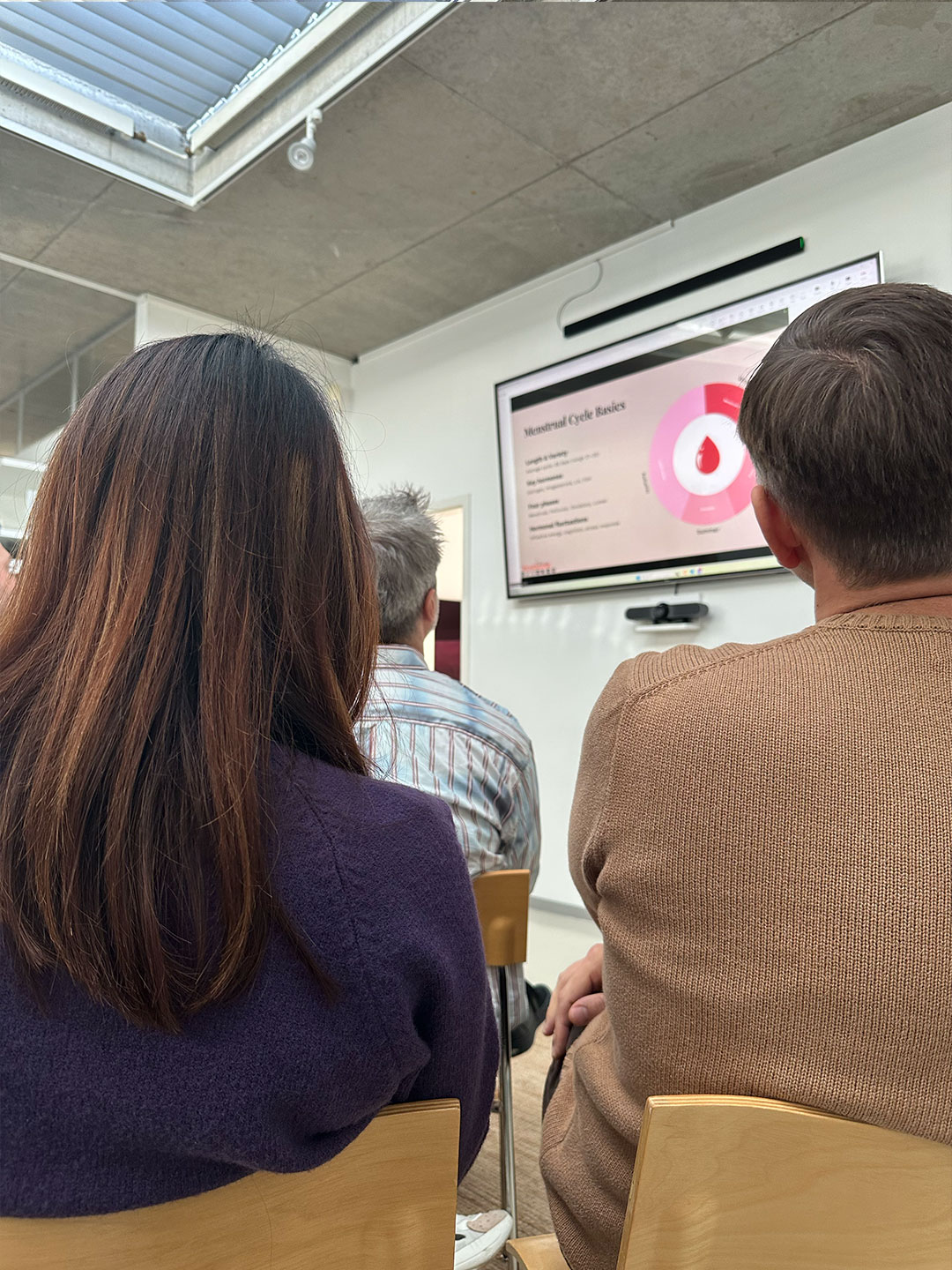
Modern work still operates under the persistent idea that people perform with steady consistency. The reality is different. Human energy, focus, and confidence fluctuate in natural rhythms. Specifically for women and menstruating people, these rhythms follow a clear monthly pattern that affects strategic thinking, creativity, communication, and stress response. As a Product Design Studio shaping the wellbeing economy, PHOENIX is open to seeing cyclical energy as an opportunity. Designing for wellbeing means designing for human reality. It calls for environments, systems, and leadership models that respect biological rhythms and enable people to work at their best across the month. We had Jasmin Schümann giving us a Lunch Talk about this theme. In this article, we will explore how cycle awareness can shift work culture, improve performance, and support healthier, more humane organisations.
Cycle management is the practice of aligning work modes with the four phases of the menstrual cycle — menstrual, follicular, ovulatory, and luteal. Each phase is linked to predictable shifts in energy, cognitive strengths, and emotional range.
Understanding these rhythms helps individuals plan more effectively and enables organisations to create supportive structures that enhance wellbeing for everyone.
1. Menstrual Phase (Winter) – Reflection and Strategy
Low physical energy. Strong analytical and strategic thinking. Ideal for planning, deep work, and focused solo tasks.
2. Follicular Phase (Spring) – Creativity and Initiation
Rising energy. Curiosity, optimism, and problem-solving come naturally. Best for new projects, creative workshops, and brainstorming.
3. Ovulation (Summer) – Communication and Confidence
Peak energy. High social ease. A strong moment for presentations, negotiations, and team alignment.
4. Luteal Phase (Autumn) – Focus and Completion
Energy becomes more unpredictable. Detail-oriented tasks, analysis, and execution come into focus.
Most workplaces still assume steady, predictableoutput. However, biological rhythms do not operate in this manner.
Cycle fluctuations influence various aspects, including concentration, Creativity, Confidence, Resilience, Stress levels, Social energy, and Sleep quality, among others.
Ignoring these rhythms can make people feel misaligned with their workload, misinterpreted by colleagues, or pressured to perform beyond their physical capabilities.
PHOENIX design for wellbeing, and that means being honest about how humans function. Thriving environments emerge from a profound understanding of human patterns: physical, emotional, and cognitive.
Jasmin said, "Would you expect your employees to perform equally well in a Brainstorming Session on a Tuesday at 10 am and a Friday at 4 pm?"
Cycle management is not a "women's women'stopic." It is related to leadership and culture.
Cycle-aware working does not require radicalchange. It requires awareness, communication, and supportive structures.

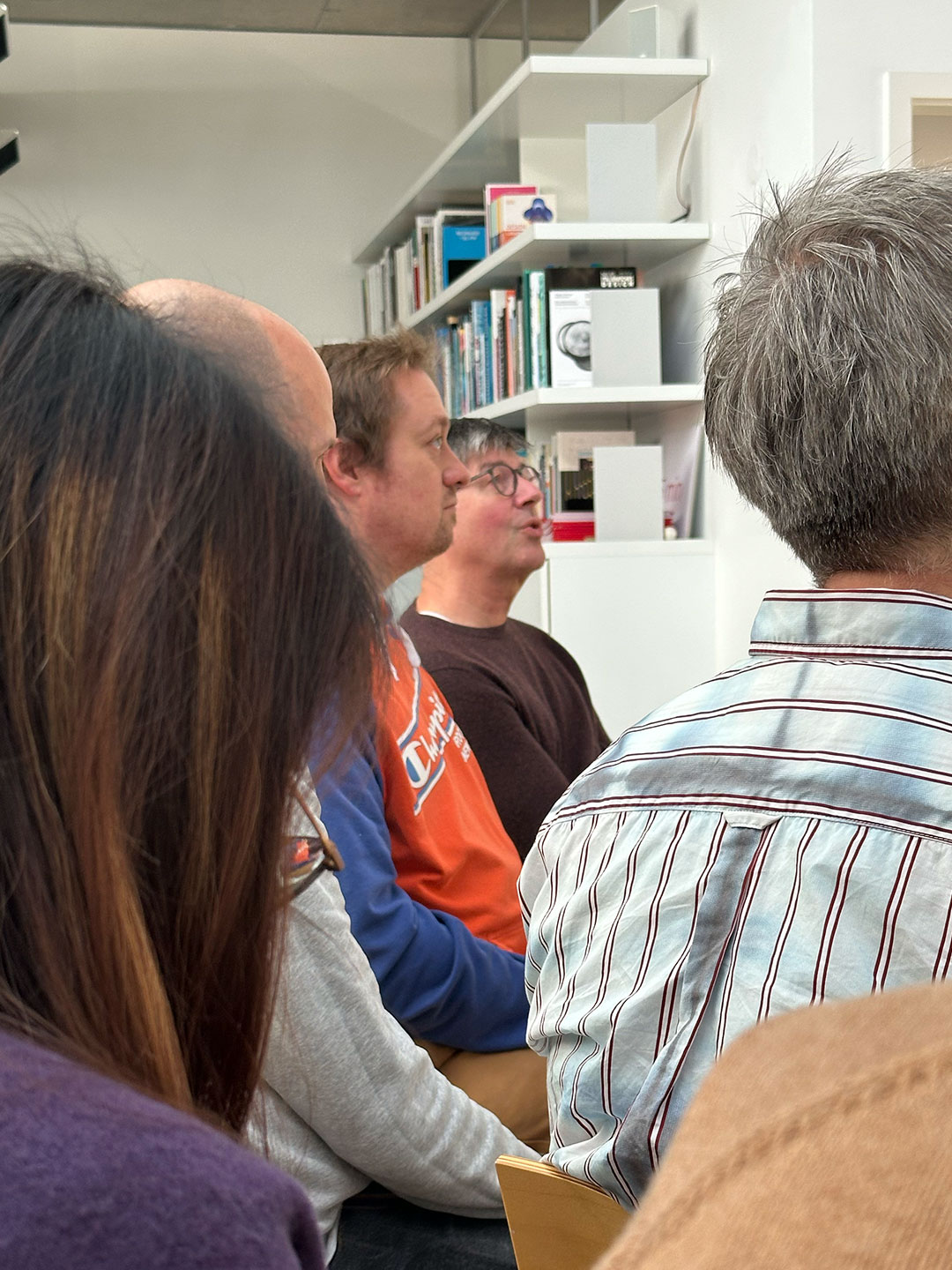
Cycle-aware work models reflect the Moral pillar of the four philosophy: responsibility, longevity, and conscious design choices.
By acknowledging cyclical energy, workplaces unlock more human, sustainable and inclusive performance. It reflects a broader shift in product innovation: away from rigid linearity and towards flexible,life-centred systems.
Cyclical working is not about lowering expectations. It is about designing environments where everyone can do their best work.
“Cycle awareness empowers women to work in alignment with their natural strengths.
When we honour these rhythms, we expand not only wellbeing — but our full potential.” Jasmin Schümann
Cycle management offers a simple truth: energy is not linear. Workplaces that acknowledge this truth tend to perform better, collaborate more effectively, and foster healthier, long-term cultures.
As a Product Design Studio committed to wellbeing and meaningful innovation, PHOENIX sees cycle awareness as part of a broader shift in how we design the future of work. It is a reminder that successful systems grow from real human needs and that the most resilient organisations are those built with empathy and clarity.
If you want to explore more wellbeing insights, we strongly suggest a keynote talk with Jasmin. She opened our eyes to a different reality in a didactic manner.