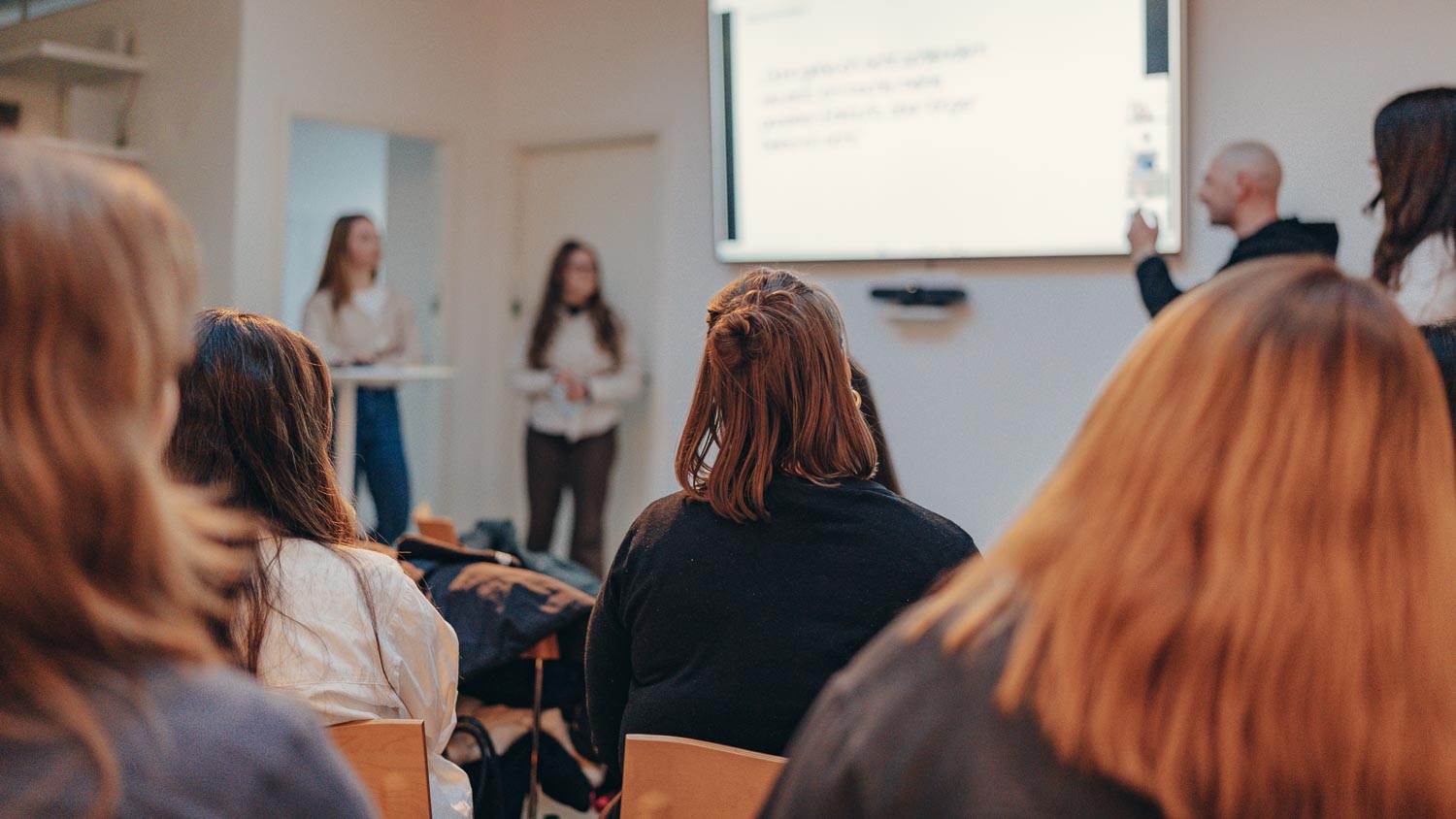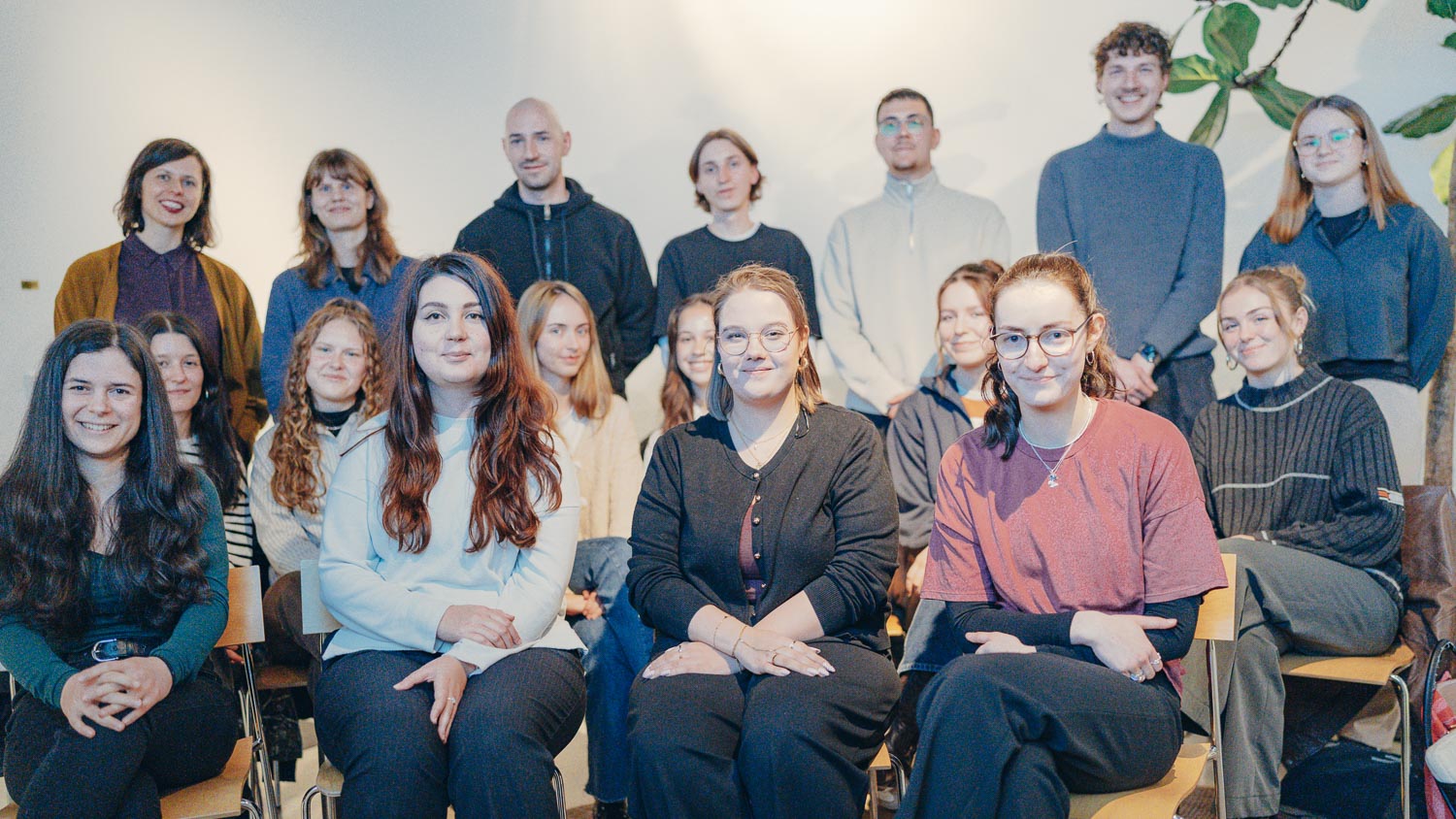
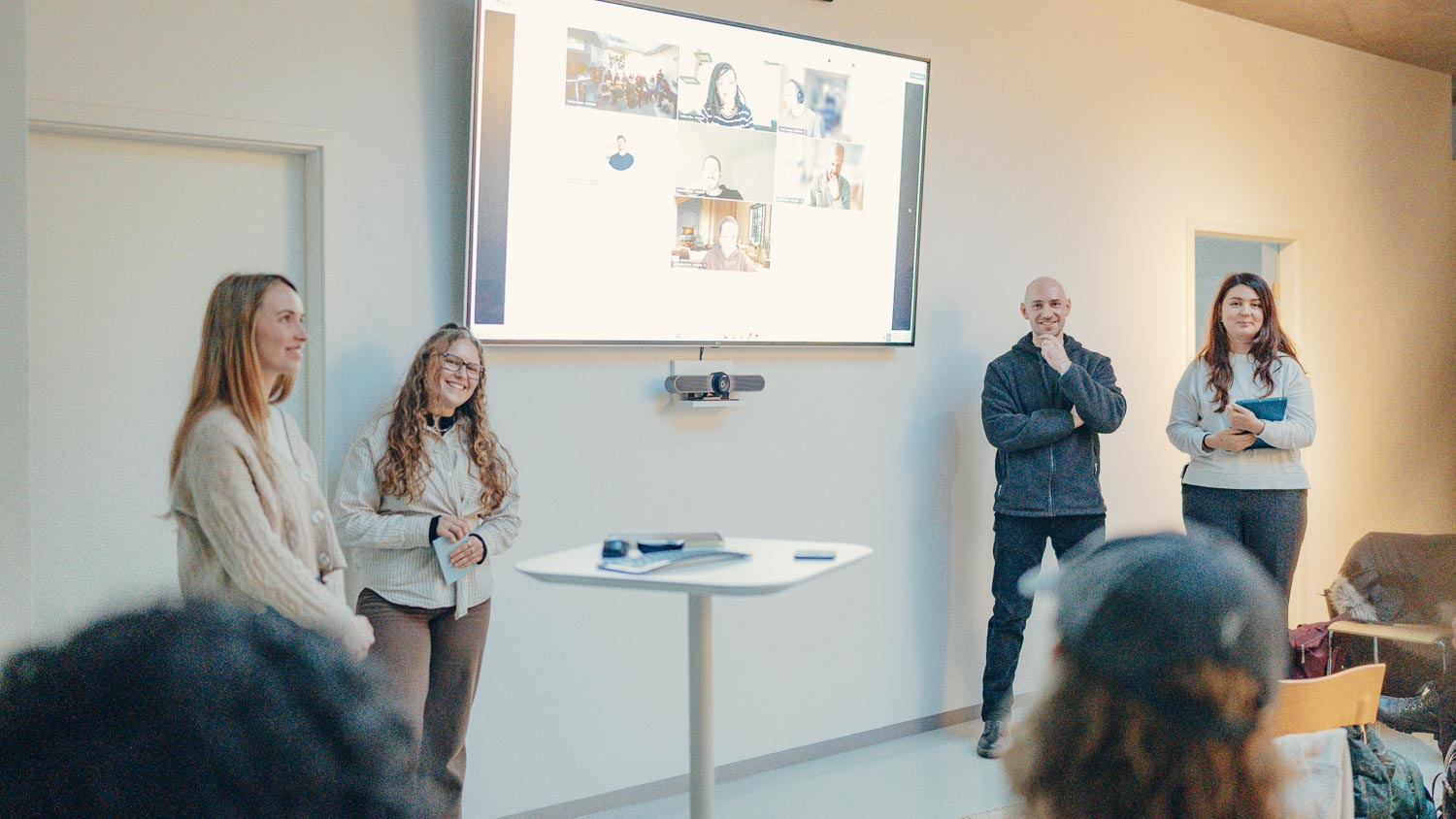


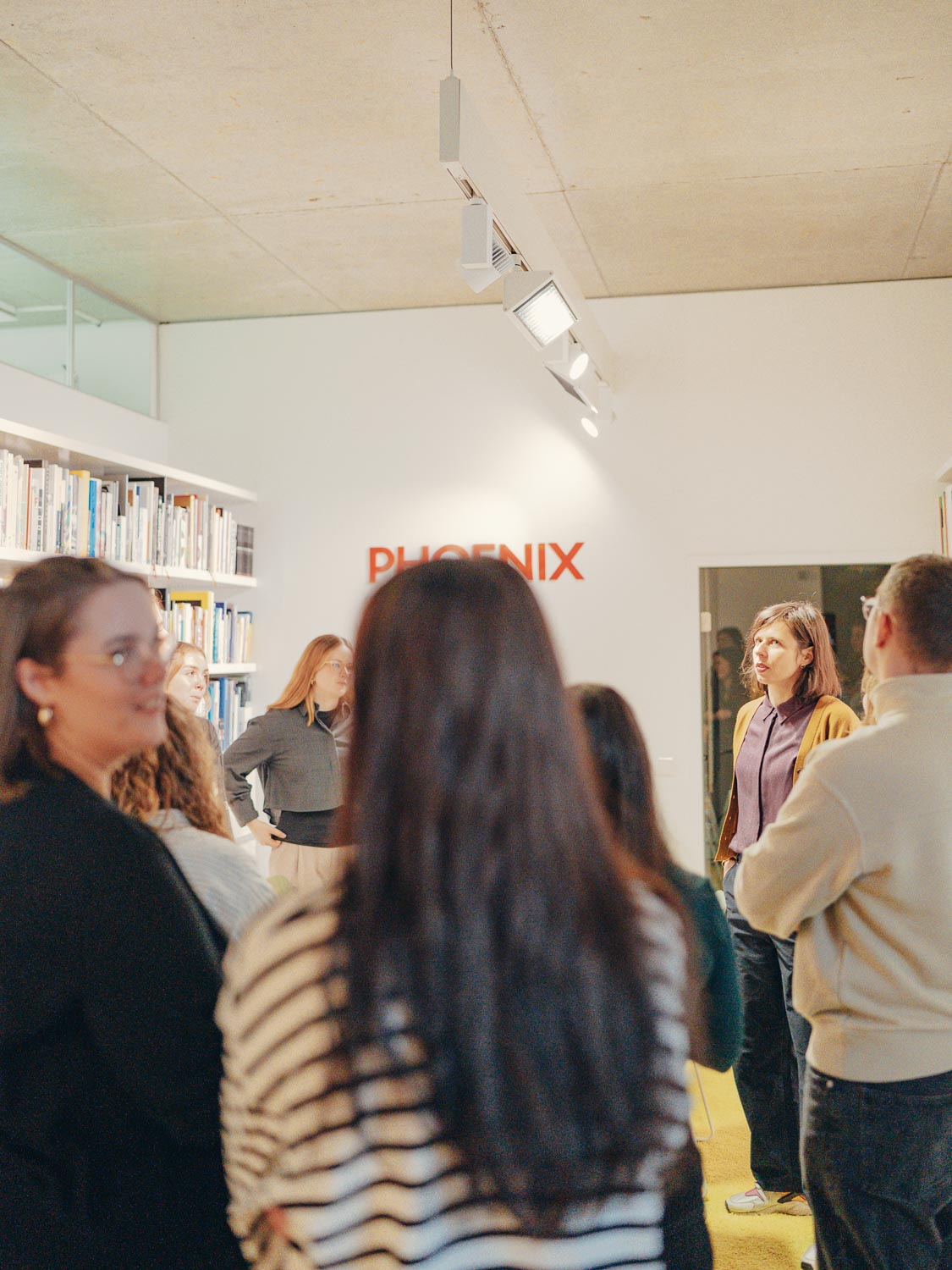
As part of the ongoing collaboration between PHOENIX and Hochschule der Medien (HdM) Stuttgart, students in the UX Workshop participated in a real-world strategic design research challenge led by Carolin Schmitt, Principal Researcher & Strategist. How do hotter summers reshape everyday life in Stuttgart, and what does that mean for the design of our cities? Stuttgart is experiencing rising temperatures, as evidenced not only in climate data but also in tangible challenges in daily life. These include discomfort while waiting for public transport, sun exposure, difficulty finding shade, and maintaining social interaction when the city becomes physically overwhelming.
Through a strategic design research approach, prior to concept development and ideation, student teams investigated the real-life implications of heat and identified opportunities for design to provide immediate, human-scale relief. The findings indicate a shift: heat is increasingly viewed as a service challenge that affects diverse groups in terms of information access, mobility, dignity, and safety.
One team articulated their initial perspective with a statement that encapsulates the design approach: "Hotter summers in Stuttgart create real friction in ordinary city moments.”
The research produced four distinct outcomes, each demonstrating that a city's capacity to protect wellbeing extends beyond temperature management to include visibility, access, trust, and care.
Interviews conducted in various public areas, including Marienplatz, the city centre, and Schlossgarten, revealed a recurring pattern: individuals do not perceive heat as a distinct issue but rather address it through personal strategies such as using ice, fans, adjusting schedules, or seeking air-conditioned environments.
These personal workarounds indicate that when municipal support systemsare unclear or inaccessible, residents must rely on themselves. This was exemplified when a participant, when asked about the location of a nearby drinking fountain, responded, “I don't know.”
The response “I don't know” highlights a significant issue: infrastructure may exist but remains undiscovered due to insufficient communication or poorly timed information dissemination, for example, distributing flyers well before heat events occur.
The first research outcome examined the general public and the impact ofheat on daily routines. Notably, the findings highlighted not only discomfortbut also a sense of uncertainty.
Residents frequently assumed that municipal support should be available, yet they lacked awareness of existing resources, their locations, or how to access them when needed. Even those who are digitally engaged reported not encountering heat-related services through their usual information channels.
This group identified four opportunity areas that are particularlyrelevant for the development of future municipal services:
A key insight emerged: effective design is not solely about implementing measures, but about ensuring that they are understandable, timely, and provide emotional reassurance.
A second team focused on seniors, translating their research into an experiential narrative: for many older residents, an ordinary summer day becomes an exhausting endurance test.
This narrative was supported by contextual data on Stuttgart's heatstress and demographic trends. The team mapped changes in daily behaviour, noting that while older adults remain active, urban spatial conditions compel them to adopt workarounds such as carrying water, seeking shade, and limiting time outdoors.
One sentence landed as a positioning statement with strong editorialpotential: “Heat is not a feeling, but a measurable reality.”
This led to three emotionally grounded opportunity areas:
The consequences are both social and physical: the city is perceivedmore as a place to complete tasks rather than as a space for living.

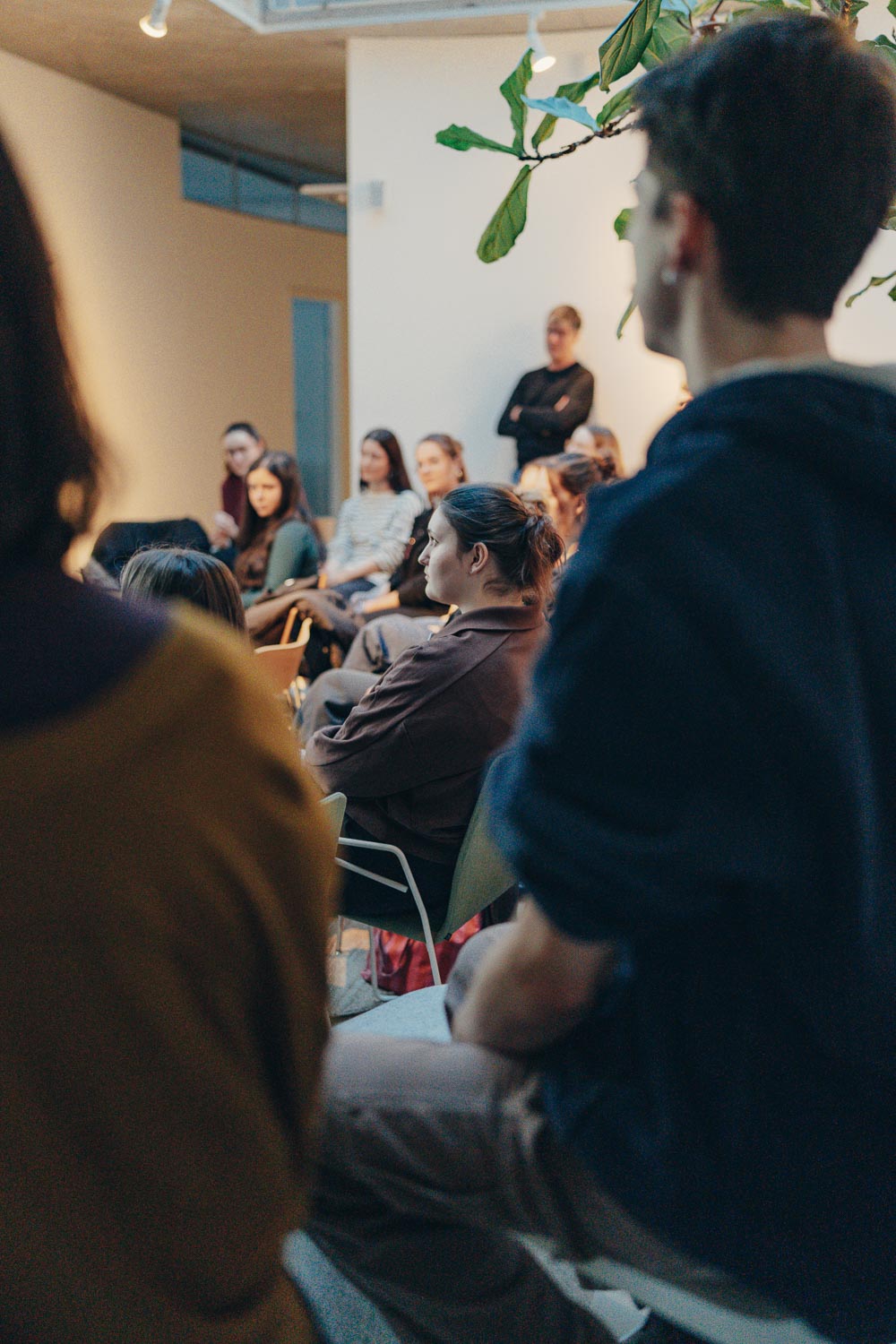
A third outcome also focused on seniors, examining decision-making processes during periods of heat. The team presented a persona narrative: an older adult considering whether to walk 400 meters to the market, balancing the desire for social interaction against concerns about environmental conditions.
This scenario illustrates how heat can become a barrier to participation. Individuals who might otherwise engage in city life may opt forisolation, often without explicitly identifying it as such.
The team identified three design levers with direct relevance for futureservice and spatial design:
Their conclusion reframed the objective beyond mere protection: the aim is not only to endure hot days, but to maintain a livable and connected urban life.
The fourth group examined the experiences of individuals experiencinghomelessness, for whom heat is not merely uncomfortable but can become life-threatening.
Rather than interviewing affected individuals directly, the team consulted organisations closely involved in homelessness, such as mission services and social support structures. The research revealed an urban systems insight: while assistance exists, it is decentralised, often geographically dispersed, and challenging to access for those carrying all their belongings.
One of the most striking findings was the chain reaction around basic needs: access to drinking water can be limited not only by supply but also by what happens next—sanitation. If someone doesn't know where the next toilet is, drinking becomes a risky decision.
The team also named a structural perception gap: “Summer is a blind spotof homeless aid.” Since winter is culturally recognised as the primary crisis season, resources and attention often diminish during summer, despite the severe health risks posed by heat waves.
This outcome highlights the need for design solutions that regard dignity as a fundamental aspect of infrastructure, encompassing water, shade, hygiene, proximity, and clear guidance, without presuming access to smartphones, stable connectivity, or easy mobility throughout the city.


Collectively, the four outcomes demonstrate that heat resilience is fundamentally a design challenge, rather than solely a technological one.
Heat resilience depends on how a city communicates, demonstrates care, and minimises friction during critical moments. The research also raises a strategic implementation question: if responsibility shifts between institutions and individuals, who facilitates the necessary connections?
For PHOENIX, this context illustrates the value of design research: transforming diffuse climate pressures into actionable opportunities, grounded in human behaviour, systemic constraints, and real-world context.
The future of wellbeing will not be determined solely by products, but by the ways in which cities respond to changing conditions.