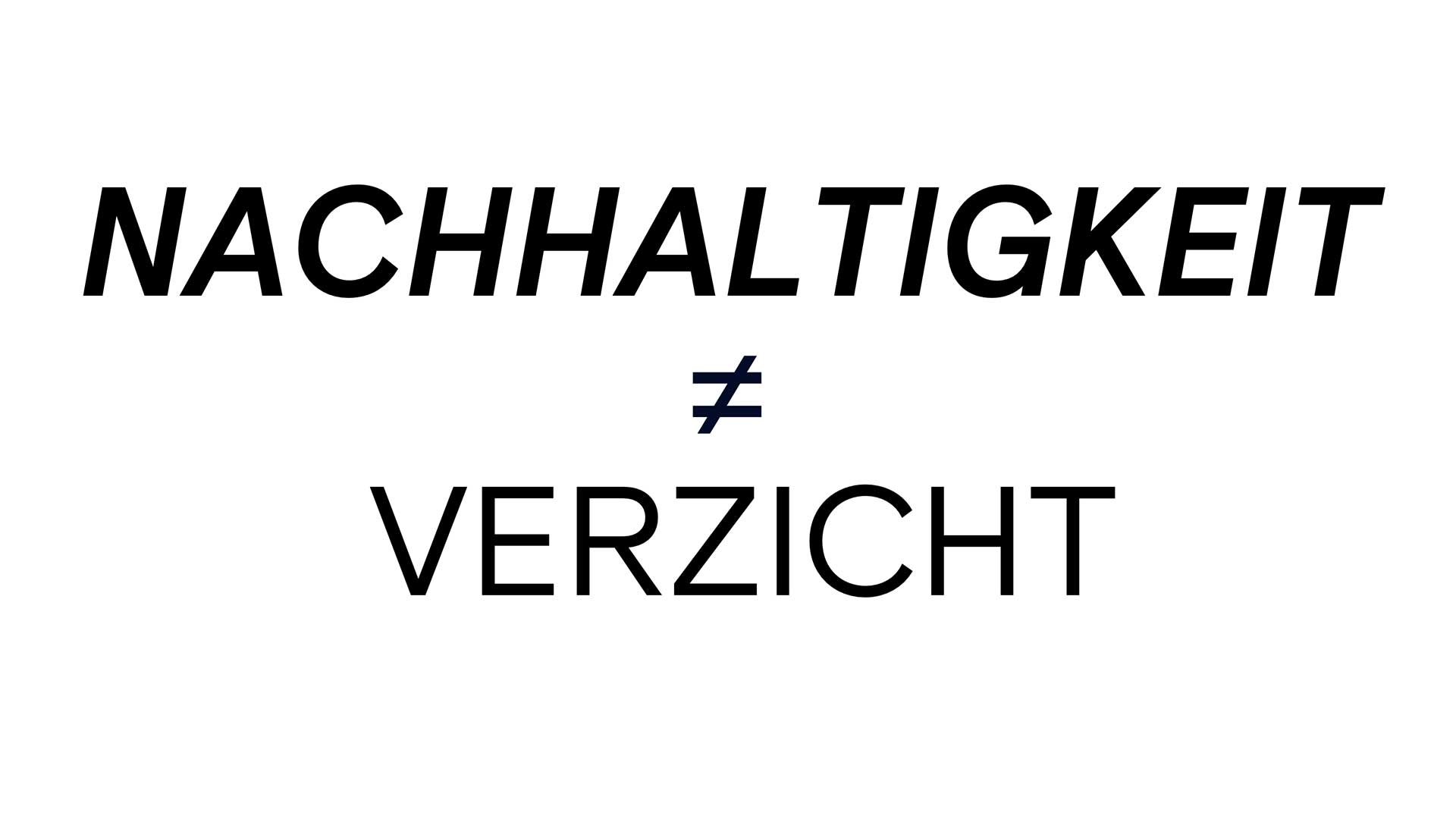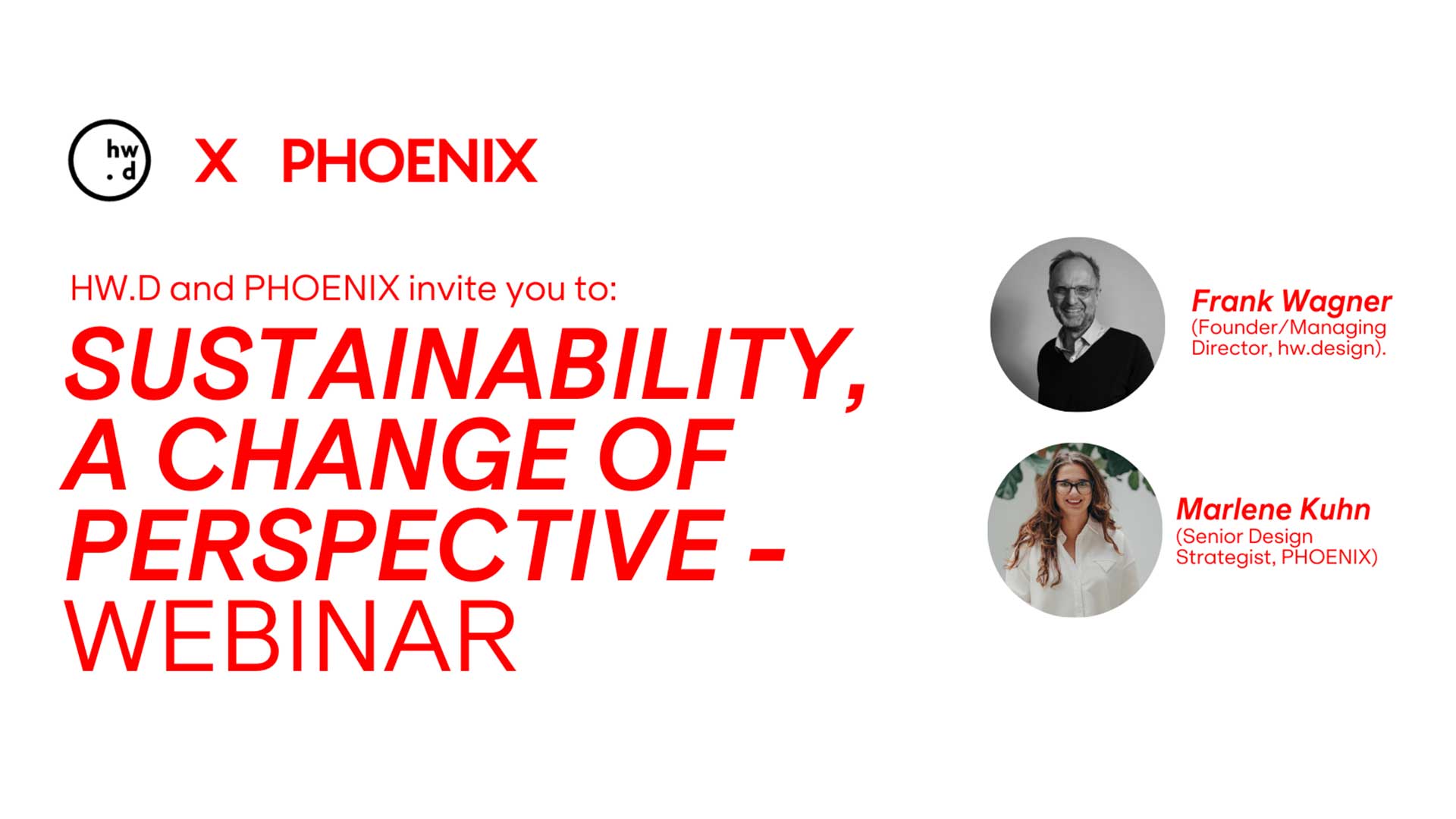


Sustainability is widely discussed, well-intentioned, and often misunderstood. In many organisations, it is still treated as a restriction. Something that costs more, takes longer, or limits desire. Products become greener, but less attractive. Services become compliant, but less loved. In everyday life, sustainability is framed against convenience, comfort, and quality of life. This framing fails. Not because people do not care, but because behaviour does not change through pressure or sacrifice alone. At PHOENIX, we see sustainability as a design task. One that starts with behaviour, not technology. One that asks how people actually live, decide, and recover in their daily routines. And one that treats wellbeing and sustainability as deeply connected. This article builds on insights from a recent webinar: “Sustainability, a change of perspective” and from long-term project work in product innovation, design for wellbeing, and strategic design. This webinar was a partnership between PHOENIX and HW. Design, the speakers were Marlene Kuhl, senior design strategist at PHOENIX and Frank Wagner, managing partner of HW. Moderated by Florian Czak.
Most people want to act in line with their values. This is a basic human need. When someone believes sustainability matters, there is an inner motivation to behave accordingly.
At the same time, people expect their actions to have a visible effect. We are used to feedback. When we exercise, we feel stronger. When we learn, we see progress. Sustainability often lacks this feedback loop. The positive impact feels distant, abstract, or assigned to future generations.
This gap creates friction. Even small decisions become tiring if they require constant effort without reward. The reusable cup stays in the drawer. The efficient product is used longer or more often. Behaviour falls back to what feels easiest and most rewarding in the moment.
Design has a role here. Not by telling people what is right, but by reshaping the context in which decisions happen.
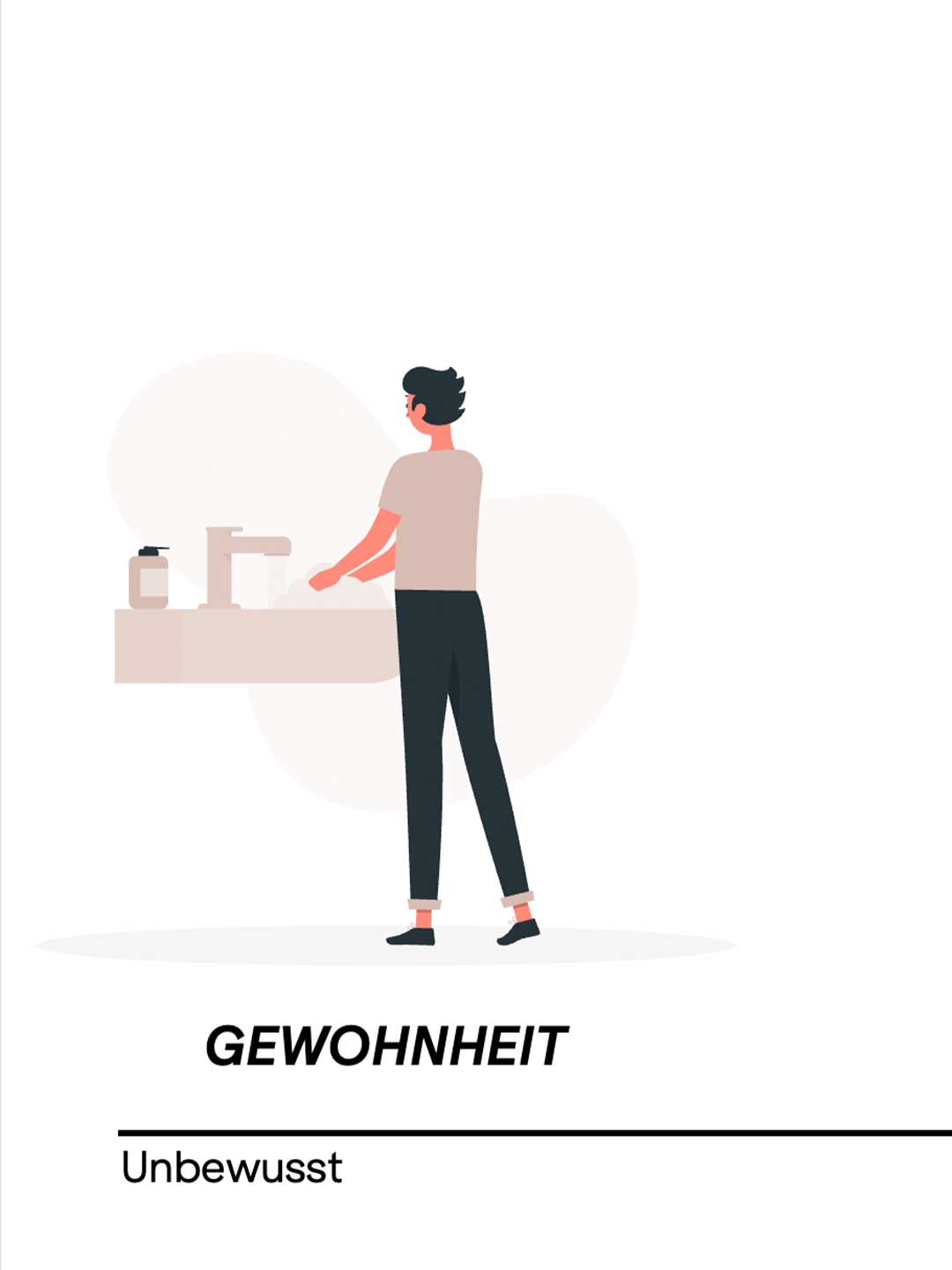
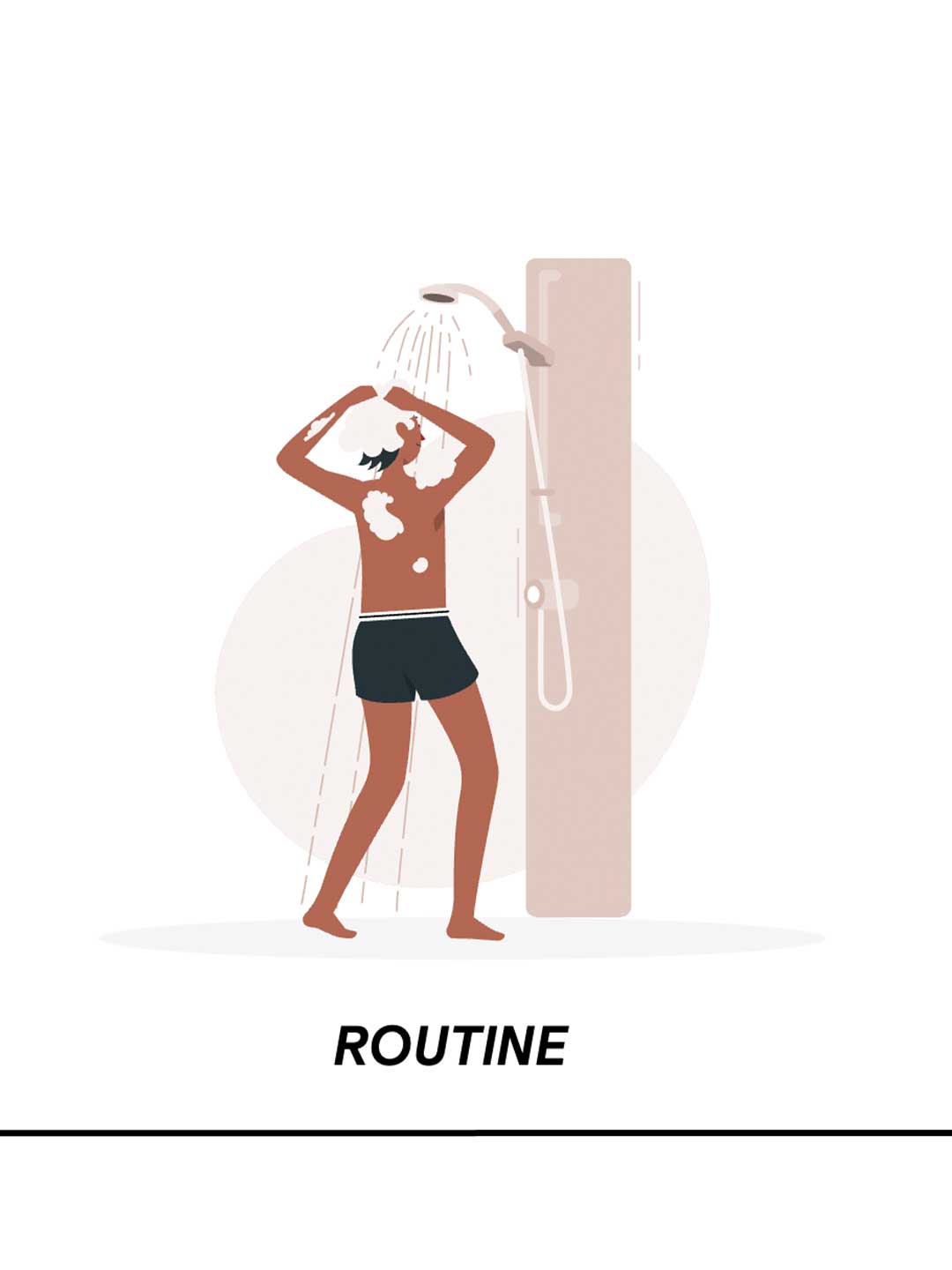
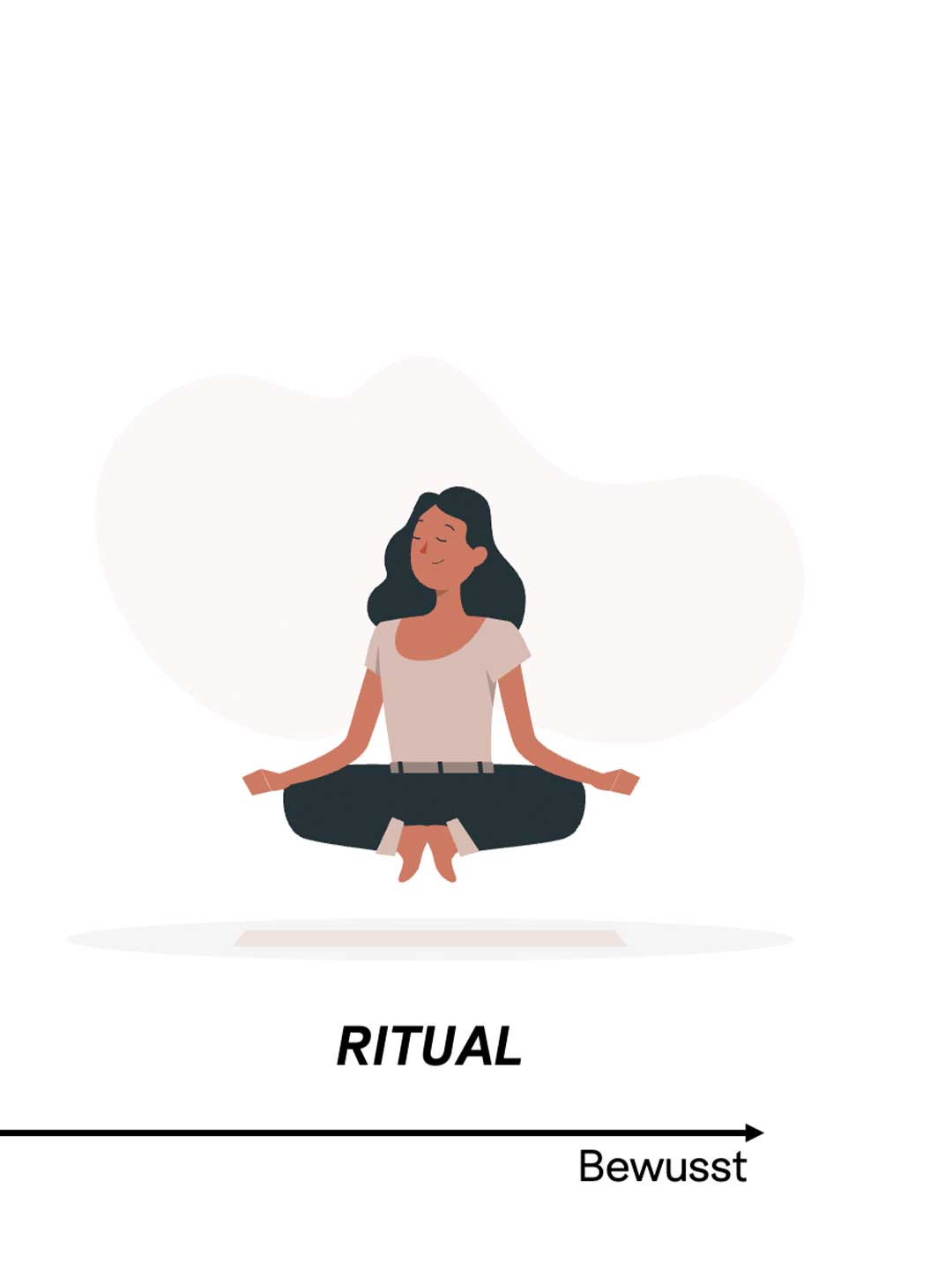
In our work as a product design studio, we often distinguish between three layers of behaviour:
Many sustainability efforts focus solely on habits. Reduce this. Consume less. Switch it off. This approach often fails because it ignores why routines and rituals exist in the first place.
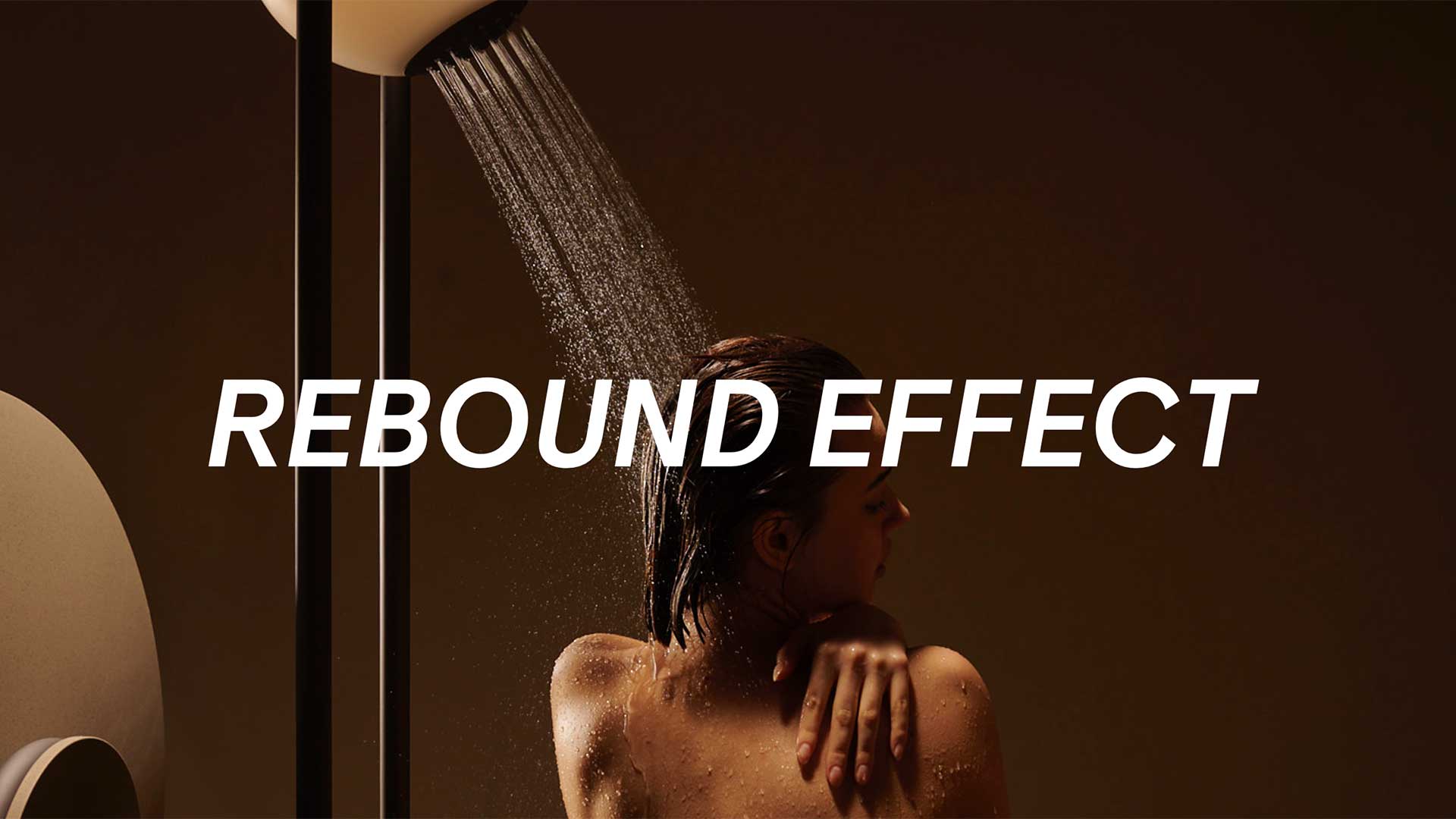
People do not shower every evening purely for hygiene. They shower to disconnect, to calm down, to reset. A functional routine becomes a ritual of mental recovery. Removing or restricting it creates resistance.
The design question shifts from “How do we reduce consumption?” to “What need is this behaviour actually serving?”
This question guided our work with Hansgrohe on the Green Vision project. The brief was not to design a more efficient shower alone. It was to rethink the bathroom as a system of behaviours.
Research showed that the main environmental impact in bathrooms comes from usage, not production. Bathrooms are renovated rarely. Products stay for decades. Water and energy consumption during daily routines outweigh the effects of material choices.
At the same time, the bathroom is one of the few places at home where people can close the door. It is a space for privacy, pause, and self-regulation.
The Green Vision concept separates two needs that are usually bundled together.
The Base is a compact hygiene station. It supports daily routines with radically reduced water consumption, without changing familiar usage patterns. Efficiency works in the background.
The Sphere is a separate space for mental wellbeing. Light, sound, and enclosure create a place for recovery and reflection. It uses minimal resources because it is not tied to water-intensive rituals.
By offering a new option for mental hygiene, the project reduces the pressure on the shower to fulfil both physical and emotional needs. Sustainability emerges through a change in meaning, not through restriction.
This approach reflects a broader principle in business design and product innovation.
Sustainable behaviour becomes stable when it aligns with wellbeing. When people feel better, calmer, or more balanced, motivation follows naturally. The experience itself becomes the reward.
From a strategic design perspective, this matters beyond individual products. Brands that understand behaviour can build systems that support long-term use, trust, and relevance. Sustainability stops being a label and becomes part of how value is created and experienced.
This applies to bathrooms, digital services, workplaces, and mobility alike. Whenever sustainability competes with quality of life, it loses. Whenever it enhances wellbeing, it scales.
Frank Wagner’s perspective during the webinar shifted the focus from individual behaviour to organisational behaviour. While products shape daily routines, brands and companies shape systems. Sustainability, in this sense, is not a feature decision. It is a question of how an organisation understands its role in society, technology, and the future.
From a strategic design viewpoint, many classic brand tools are no longer sufficient. Positioning, messaging, and visual identity alone cannot absorb the pressure of regulatory change, ecological limits, and accelerating disruption. What organisations need instead is future resilience. An inner substance that allows them to respond, adapt, and act without losing coherence.
This is where sustainability becomes a mindset rather than a compliance task. It defines why a company exists beyond market logic, how it relates to society and the environment, and which responsibilities it accepts as part of its business. Without this foundation, sustainability remains an add-on. With it, it becomes directional.
Frank described future-resilient brand development as a layered system. It starts with mindset, continues through essentials, and becomes tangible in experiences.
Mindset defines attitude. It clarifies how a company positions itself in relation to sustainability, wellbeing, and future responsibility. Essentials translate this attitude into strategy, portfolio decisions, and market logic. Experiences make it real. Every touchpoint, product, service, and interaction reflects the underlying stance.
This mirrors what we see in behaviour-driven product design. Just as sustainable routines fail when they contradict human needs, sustainable brand strategies fail when experiences do not match declared values. People sense inconsistency quickly. Trust erodes when sustainability is communicated but not lived across systems.
A key insight from Frank’s contribution was that sustainability rarely fails because of a lack of ambition. It fails because of fragmentation. Reporting, communication, products, and culture often develop in parallel rather than as one system.
Strategic design helps close this gap. It aligns mindset, structure, and experience so that sustainability is neither moral decoration nor isolated innovation. It becomes part of how decisions are made and how value is delivered.
This perspective connects directly to behaviour-focused product innovation. Whether designing a bathroom, a service ecosystem, or a brand architecture, the principle stays the same. Sustainable outcomes emerge when systems are coherent, meaningful, and rewarding to engage with.

Innovation does not always require new technology. Often, it requires a new way of looking at what already exists.
In the Green Vision, no single element is revolutionary in itself. The shift lies in how routines are interpreted and reorganised. Physical hygiene and mental recovery are treated as distinct needs. Design gives them appropriate spaces and meanings.
For designers, this means moving from optimisation to interpretation. From adding features to understanding behaviour. From solving isolated problems to shaping systems.
For companies, it means seeing sustainability as a mindset, not a layer. It influences strategy, portfolio decisions, and how success is measured.
At PHOENIX, we believe that sustainability is not a question of sacrifice. It is a question of design quality.
When products, services, and systems are intuitive, meaningful, and rewarding, sustainable behaviour becomes natural. People do not need to be convinced. They simply choose what feels right.
Design for wellbeing is design for longevity. For people, for brands, and for the systems we are all part of.
Feel free to watch the entire webinar: click here