

At PHOENIX, learning is not a side activity. It is part of the way we work and the way we grow together. As a product design studio shaped by people with different backgrounds, skills and perspectives, we depend on honest reflection and shared understanding. Feedback helps us navigate this complexity. It gives us clarity, direction and the confidence to evolve with purpose. Over the past months, we have taken necessary steps to strengthen how we exchange feedback across the company. From a company-wide workshop to weekly nudges and a practical cheat sheet, our goal has been simple: make meaningful feedback a natural part of everyday work.
Design is a collaborative discipline. Every idea is shaped by conversation, iteration and challenge. Feedback supports this process. It helps us understand how our actions affect others and how we can improve our work and our collaboration.
The workshop material reminded us that what we see is often only the surface. Beneath every behaviour lies a set of thoughts, feelings and needs. When we recognise this, feedback becomes an act of understanding rather than judgement. It shifts the focus from the person to the situation and encourages learning instead of defensiveness.
Feedback also requires practice. It demands awareness, clarity and the willingness to listen. To ensure everyone can apply these skills effectively, we will provide role-specific guidance and examples, helping you see how feedback fits into your unique responsibilities and daily routines.
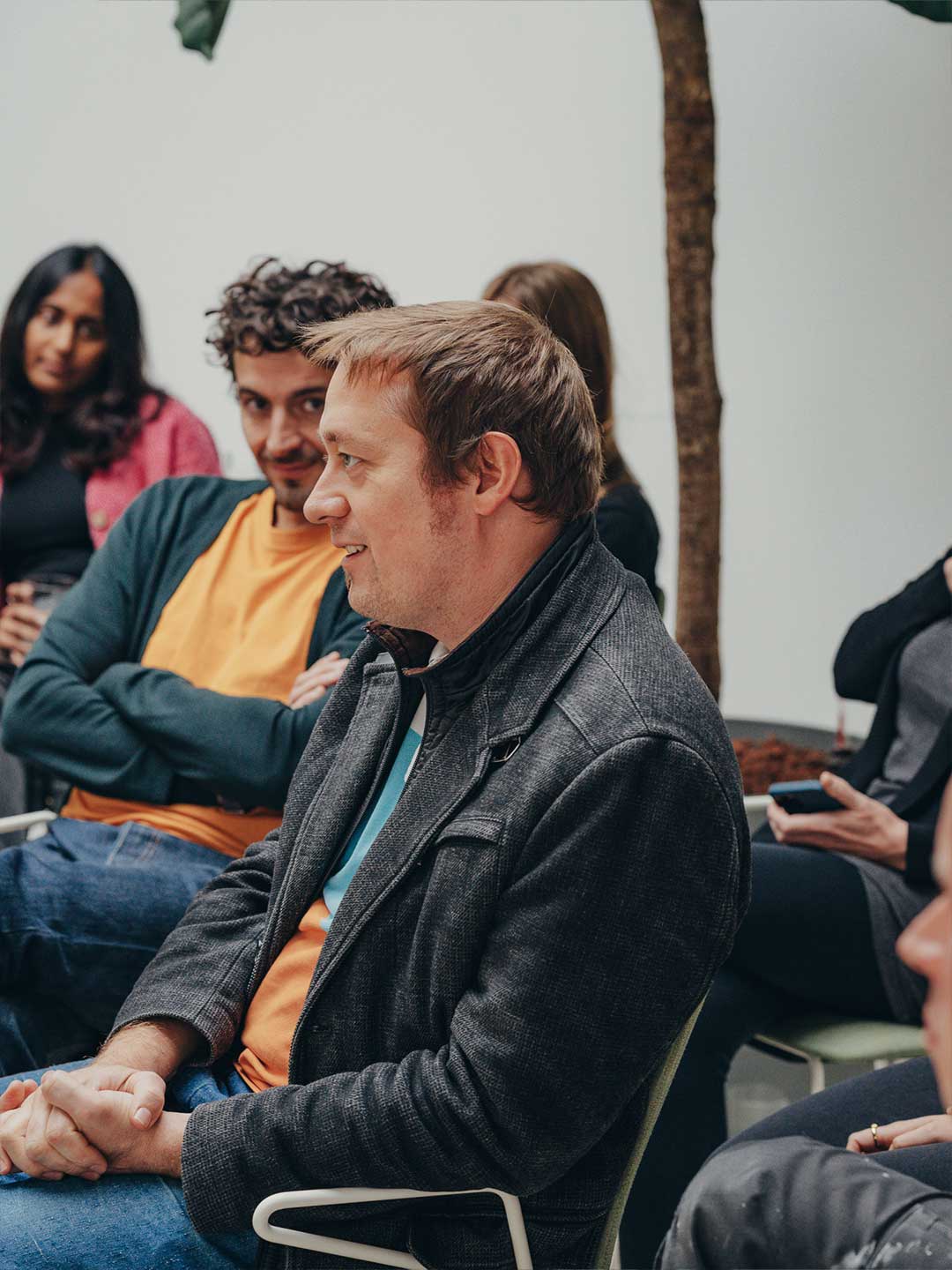
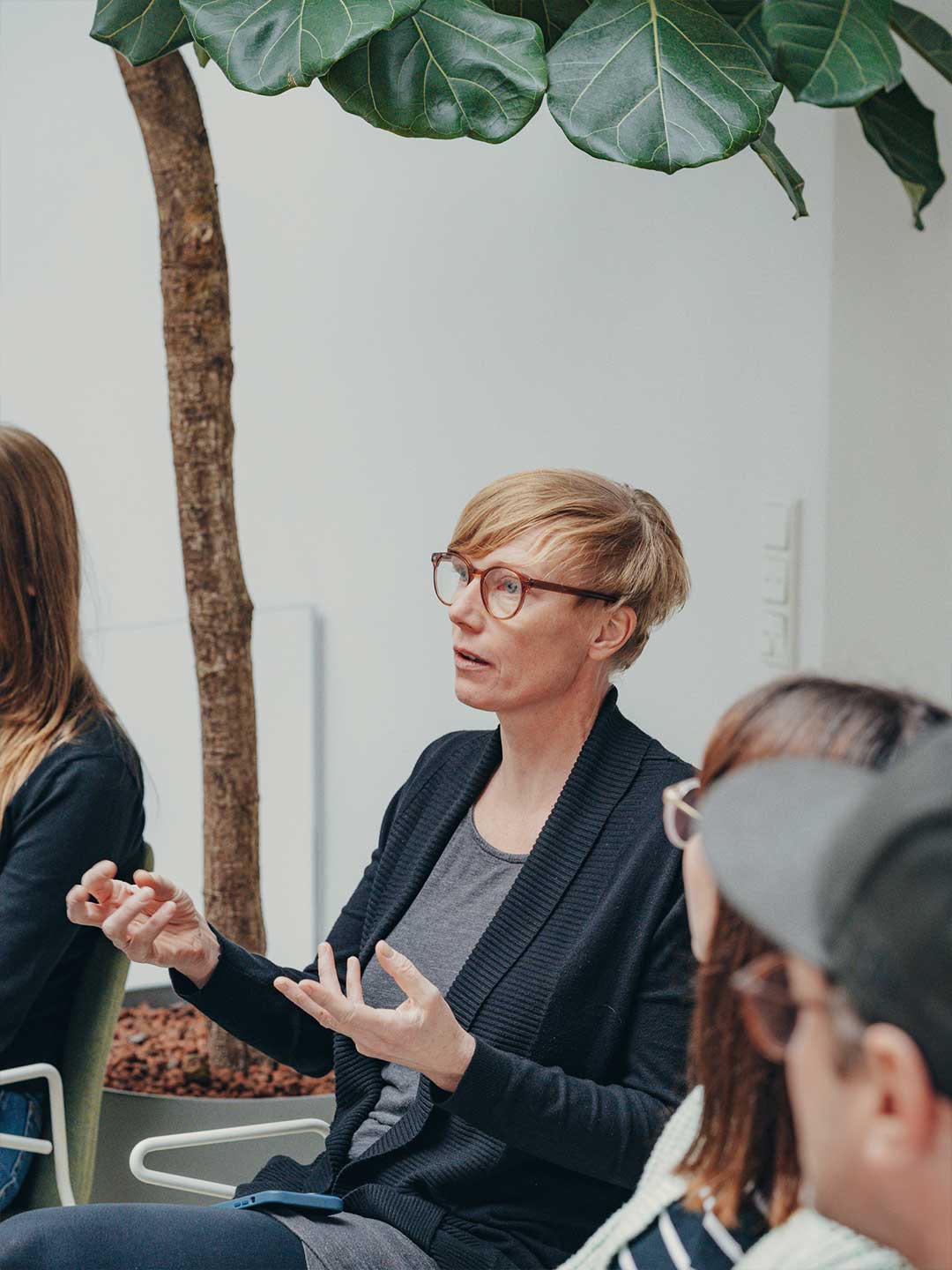
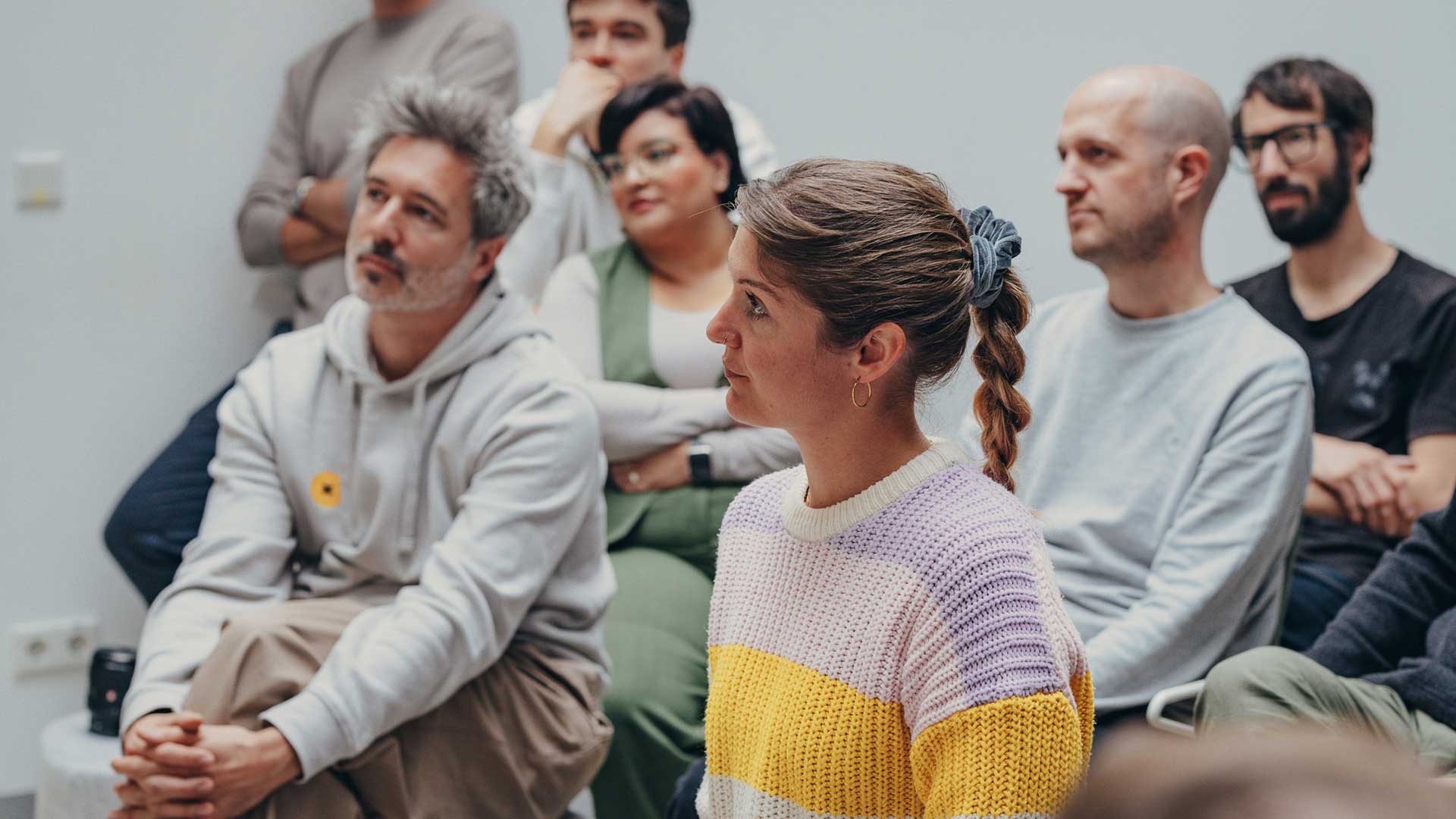
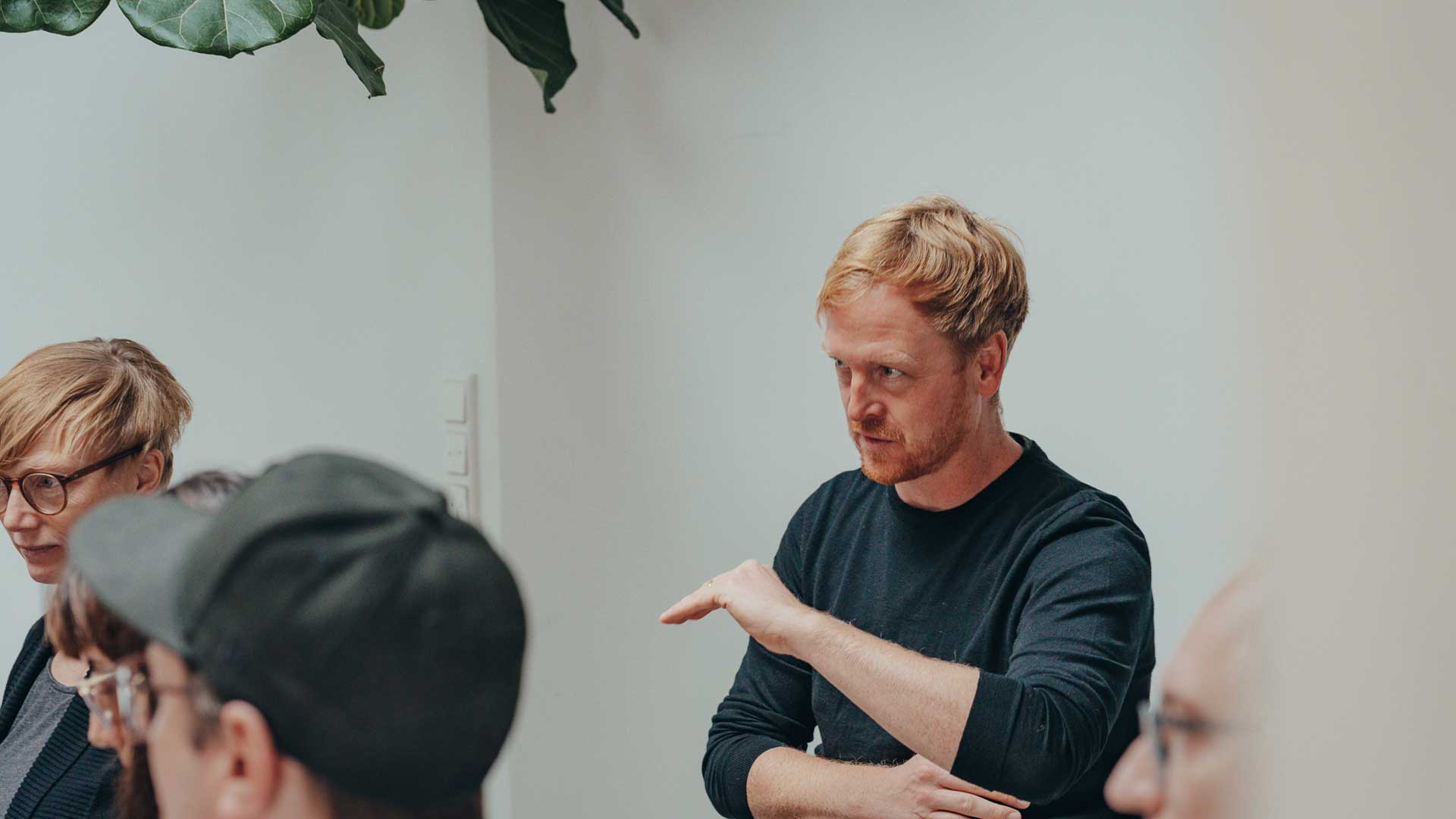
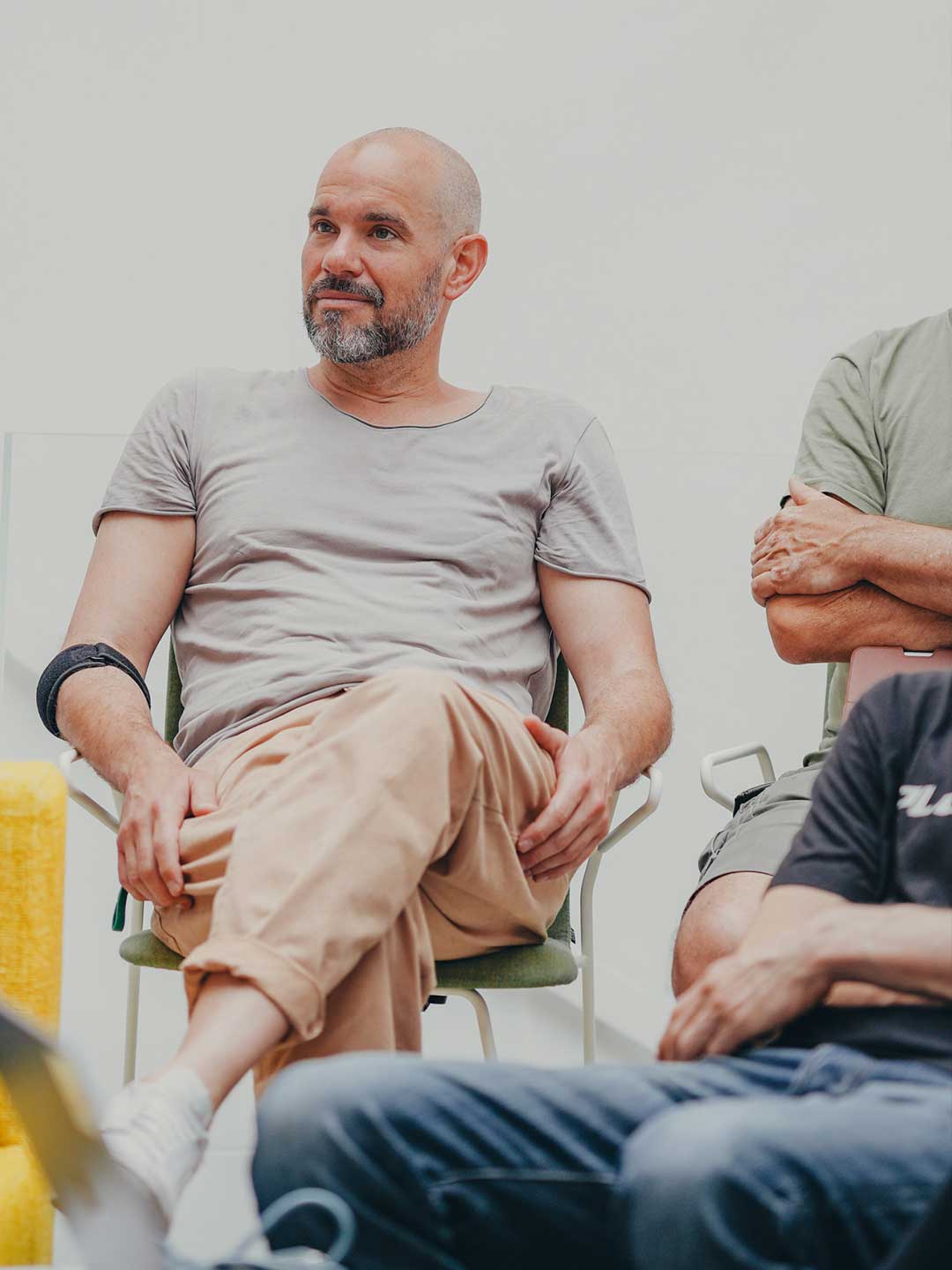
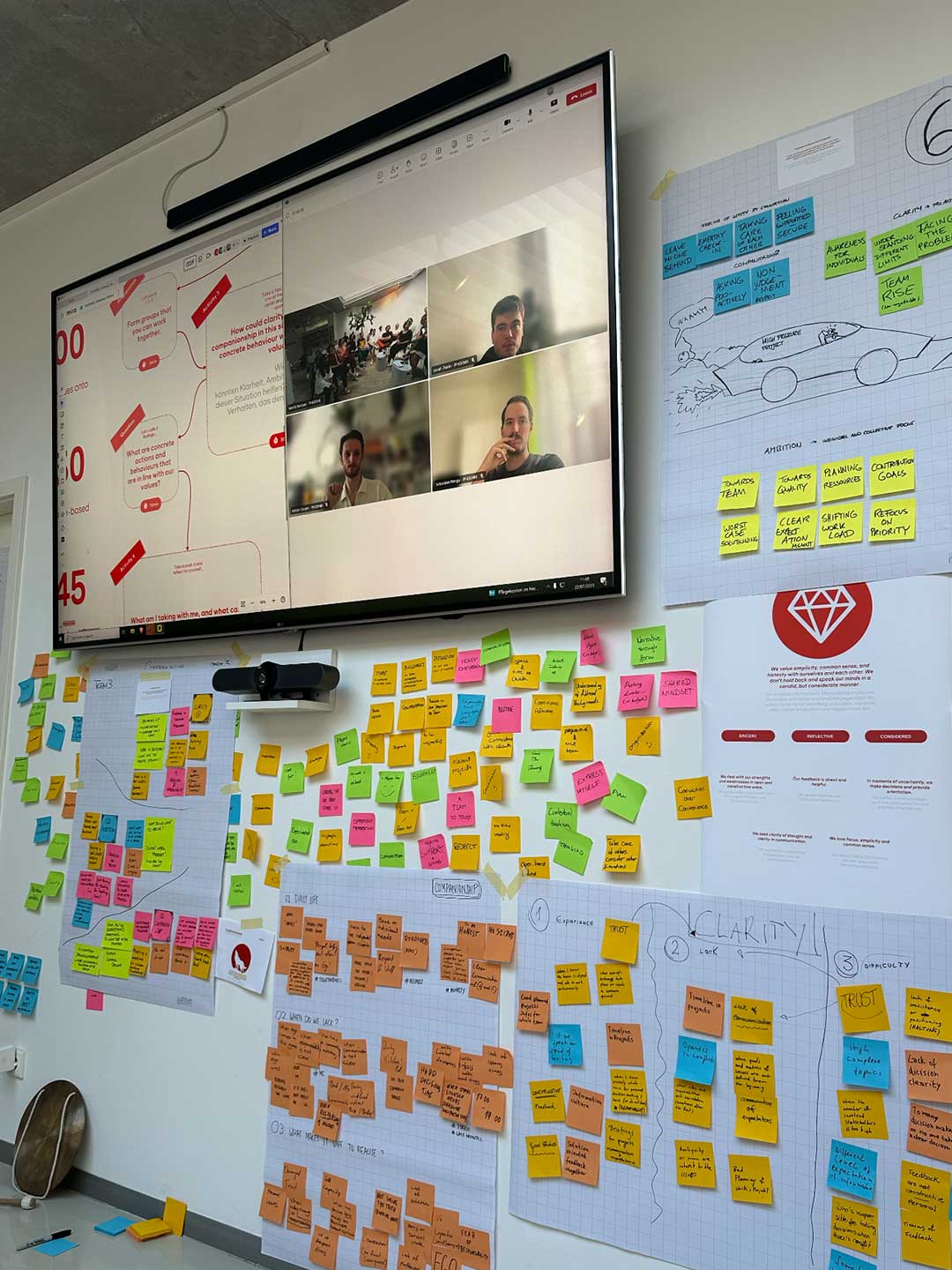
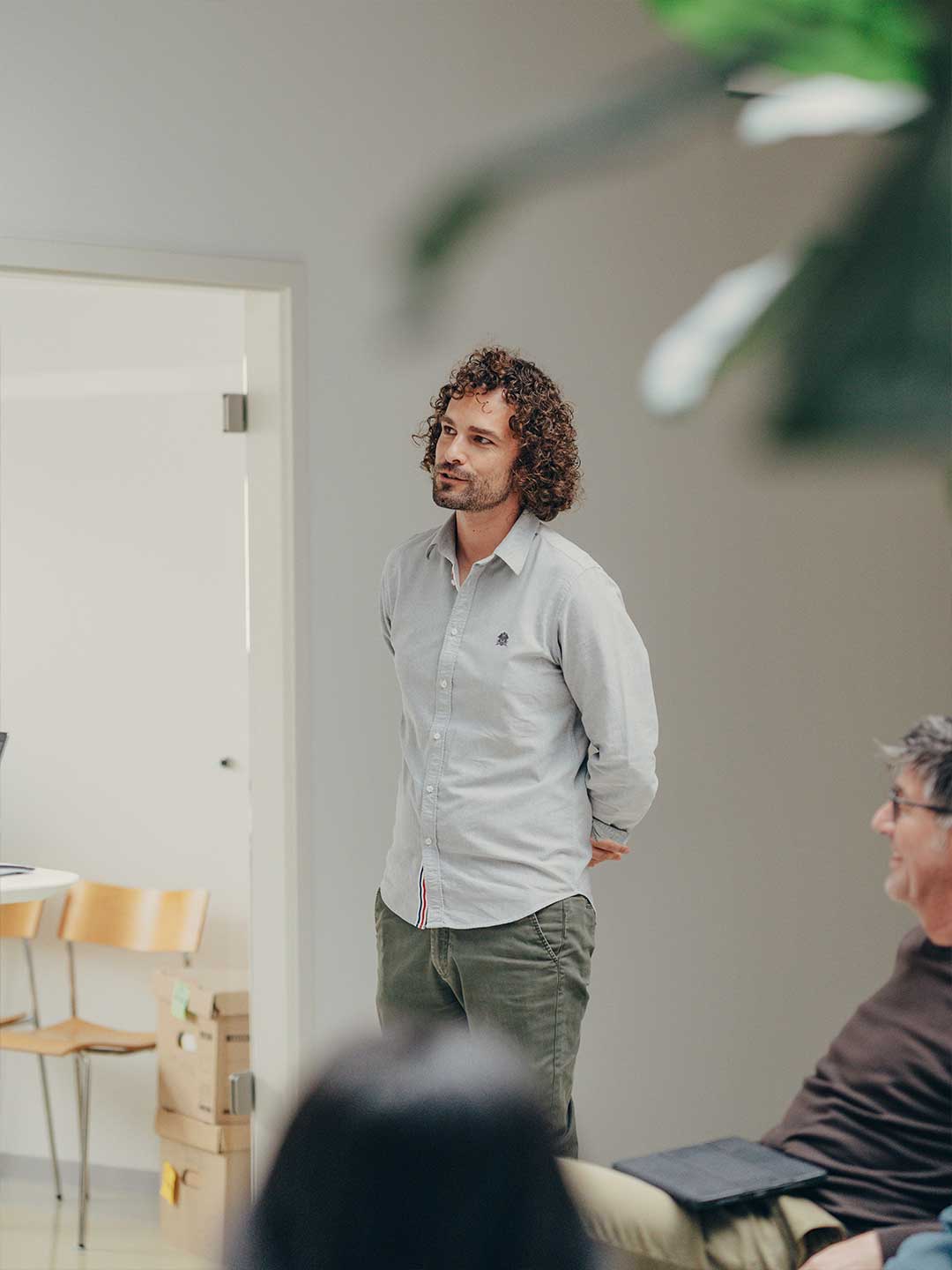
To create a common understanding across the company, we invited all colleagues to take part in a dedicated Feedback Workshop. Over several hours, teams explored how perception, mindset and empathy influence feedback.
We discussed how to move from fixed thinking to a learning mindset. We looked at the difference between opinion, criticism and constructive feedback. We practised the three steps of giving feedback: perception, effect and request. And we learned how to receive feedback with openness, clarity and reflection.
The workshop was not about theory alone. It was about practising together, testing real examples and talking openly about challenging moments. We also shared strategies for navigating difficult feedback conversations, so the team felt more confident when addressing sensitive topics or receiving critical input.
Participating in workshops is not enough to build long-term habits. To help everyone integrate feedback into their daily routine, we introduced weekly "Feedback Nudges" throughout November. These small prompts encouraged teams to try simple actions: ask for feedback once a week, pause before responding, describe observations clearly or choose a more suitable moment for a conversation.
Alongside these nudges, we developed a printed Feedback Cheat Sheet. It summarises the most important principles, from checking the relevance of feedback to using an empathic tone. Many team members now keep the sheet at their desks, using it as a quick reference before preparing or receiving feedback.
These tools do not replace conversations. They support them. They create consistency across the studio and make feedback easier to apply in real situations.
Feedback is a skill that grows through repetition. To keep the momentum alive and inspire ongoing development, we also launched a Lunch & Learn series. Every quarter, we will revisit a topic from the workshop, explore it in more depth, and discuss concrete situations raised by colleagues.
This format gives us the space to practise together, ask questions and learn from each other's experiences. To ensure these practices become ingrained, we will regularly review and update our feedback tools and hold follow-up sessions, maintaining momentum and continuous improvement in our feedback culture.
Strengthening our feedback culture is not an isolated initiative. It is part of how we want to work as a product design studio. When we communicate clearly, we collaborate better. When we share observations early, we avoid misunderstandings. When we understand each other's perspectives, we design with more confidence.
Feedback creates alignment. It supports wellbeing. It strengthens trust. And it helps us grow as individuals and as a team.
Feedback helps us grow with intention. It strengthens how we collaborate and how we design. Our recent initiatives—workshop, nudges, cheat sheet and the upcoming Lunch & Learn—are steps towards a culture where feedback feels natural, supportive and part of everyday work.
We will continue to learn together. We will continue to refine how we communicate. And we will continue to build a studio where development is shaped collectively.
For more stories about our culture and work, explore our journal or subscribe to our updates.
To help and guide you, we are sharing our Cheat sheet for download, which you can use to learn and apply the feedback culture in your daily life as well.