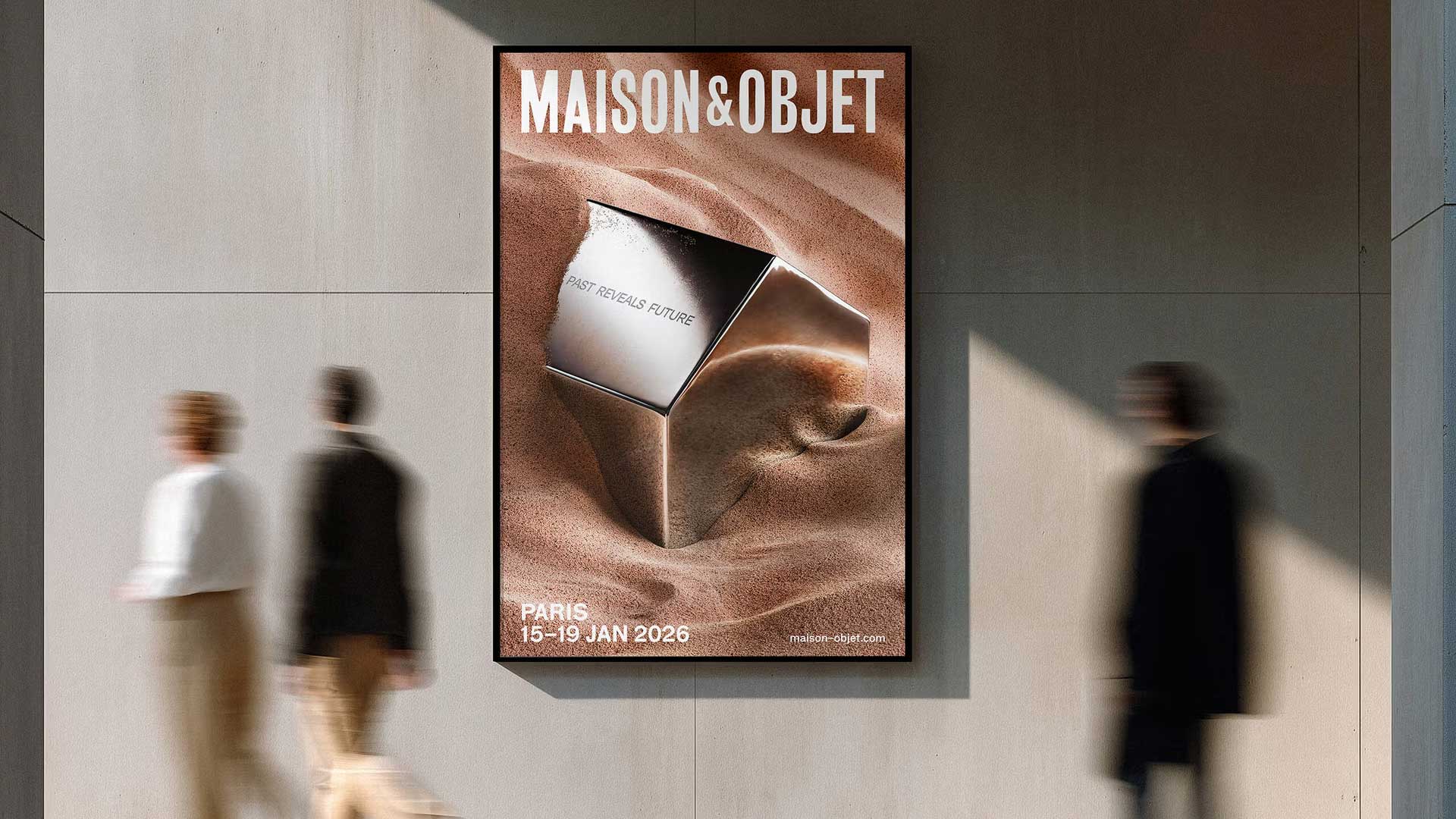


From 15 to 19 January 2026, Maison & Objet once again transformed Paris Nord Villepinte into an international platform for design. With around 2,300 brands and up to 70,000 visitors from over 140 countries, the fair confirmed its function as a long-term design barometer rather than a short-lived trend showcase. For PHOENIX, a Product Innovation Studio rooted in Innovative Product Design and Design for Wellbeing, Maison & Objet 2026 offered clear signals. This year’s theme, “Past Reveals Future”, shifted the focus from novelty to meaning. Heritage, craftsmanship, and archetypal forms were reinterpreted to shape contemporary design approaches. Below, we share our key insights from the fair and reflect on their implications for brands managing the wellbeing economy.
Maison & Objet 2026 positioned itself as more than a trade fair. The structure across seven curated halls, from Signature & Projects to Fragrance & Wellness, underlined a wider movement: design as emotional infrastructure.
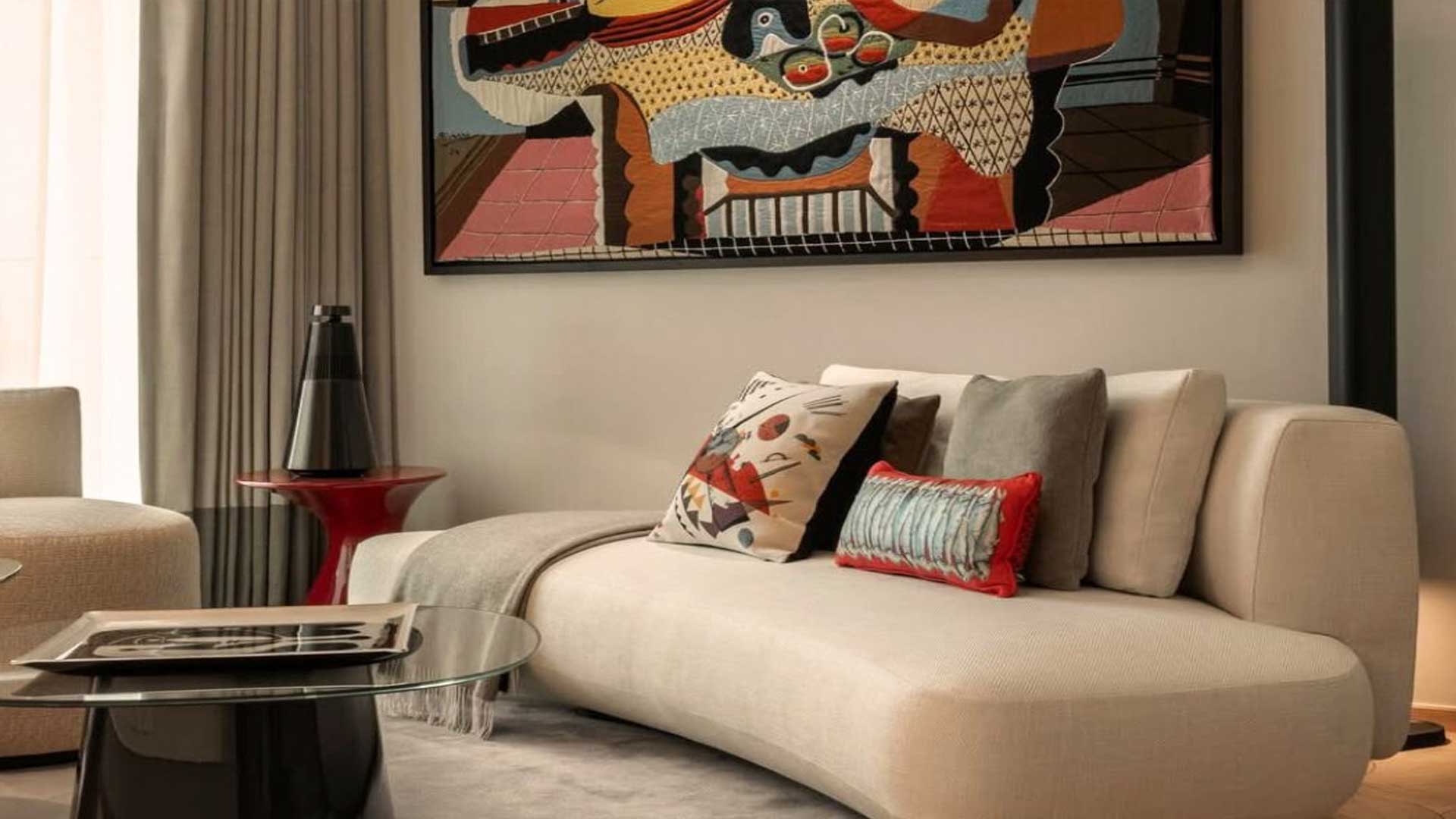
Across categories, we observed a common thread. Objects were no longer presented as isolated products. They were part of spatial narratives built around comfort, genuineness and atmosphere.
For a Strategic Design partner, this strengthens a central question. How can products move past functionality to generate enduring emotional resonance?
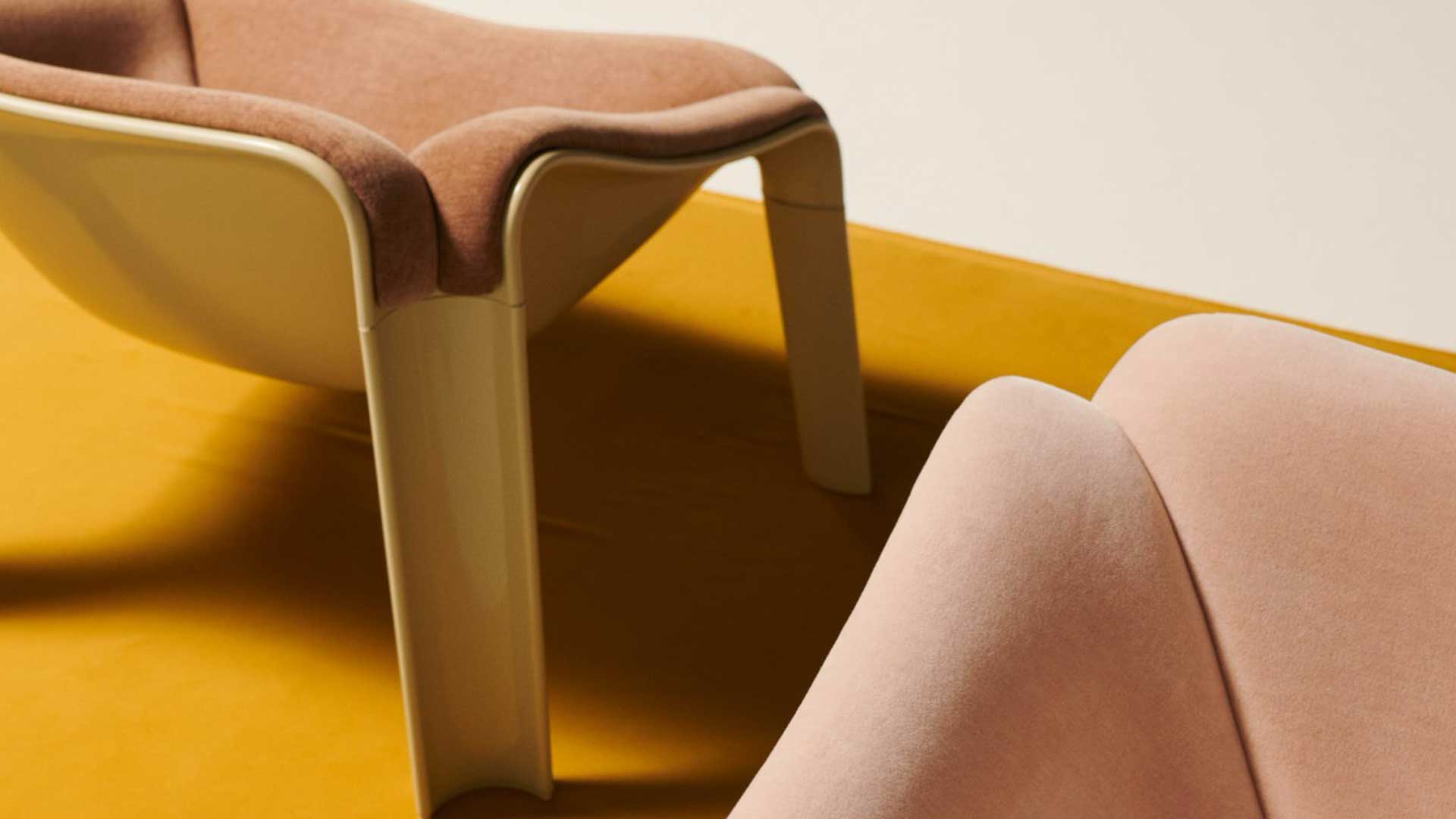
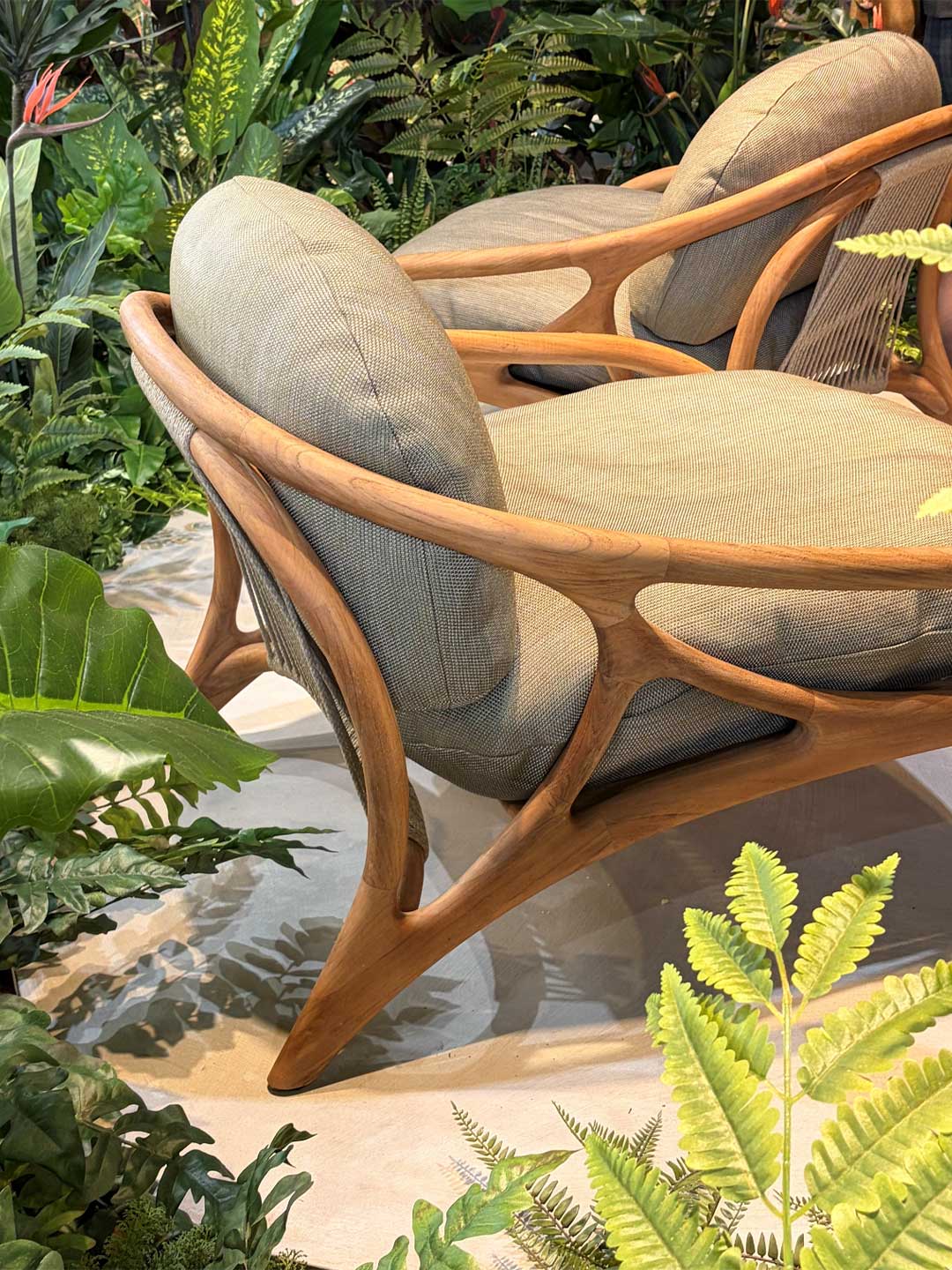
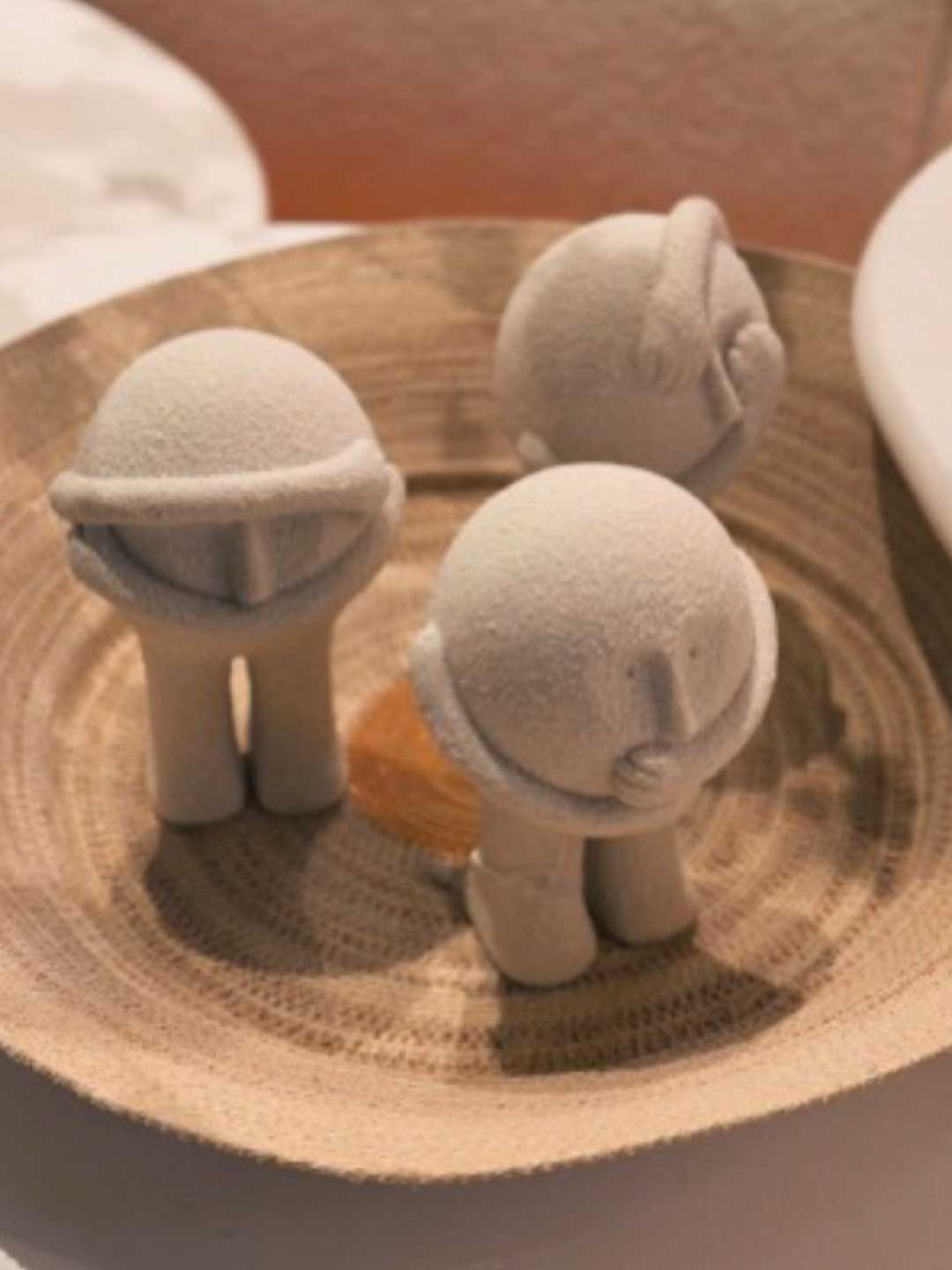
Rounded, organic forms dominated furniture and objects. Large curves, grounded proportions, and tactile surfaces created a sense of physical and emotional comfort.
This softness is not decorative. It responds to a cultural need for reassurance. In difficult times, hard edges give way to adopting forms.
For a Product Design Studio, this shift is relevant beyond interiors. Soft geometry influences user interfaces, wearables, bathroom fixtures and consumer electronics. It signals safety and human-centred thinking.
Maison & Objet made one thing clear. Design is shifting from statement to sensation.
Atmosphere, calmness and emotional safety were prioritised over visual impact or technical complexity.
Lighting installations used diffuse, warm light. Materials absorb sound. Spaces slowed visitors down.
This corresponds directly with Design for Wellbeing. Products must reduce friction, visual noise and mental effort. Comfort becomes a measurable design parameter.
Raw Materiality as Narrative
Natural materials, visible craftsmanship, and surface imperfections were widely present.
Matte finishes, honest textures and structural elements such as weaving or exposed joints replaced decorative excess. Construction itself became part of the design language.
This demonstrates a broader moral shift. Consumers progressively value longevity, repairability and transparency. Authentic materials communicate trust.
For Business Design, this trend has implications:
Material authenticity is no longer a niche aesthetic. It is a tactical requirement.
A strong shift was visible in how exhibitions were curated. The focus shifted from the individual object to the overall spatial experience.
Light, reflection, transparency, and layering defined the mood instead of isolated products.
This approach replicates the integration of physical and digital experiences in Innovative Product Design. Products exist inside ecosystems. Their success depends on the way they contribute to a coherent environment.
For brands, the implication is clear. Design strategy must go beyond the object to include context, service and interface.
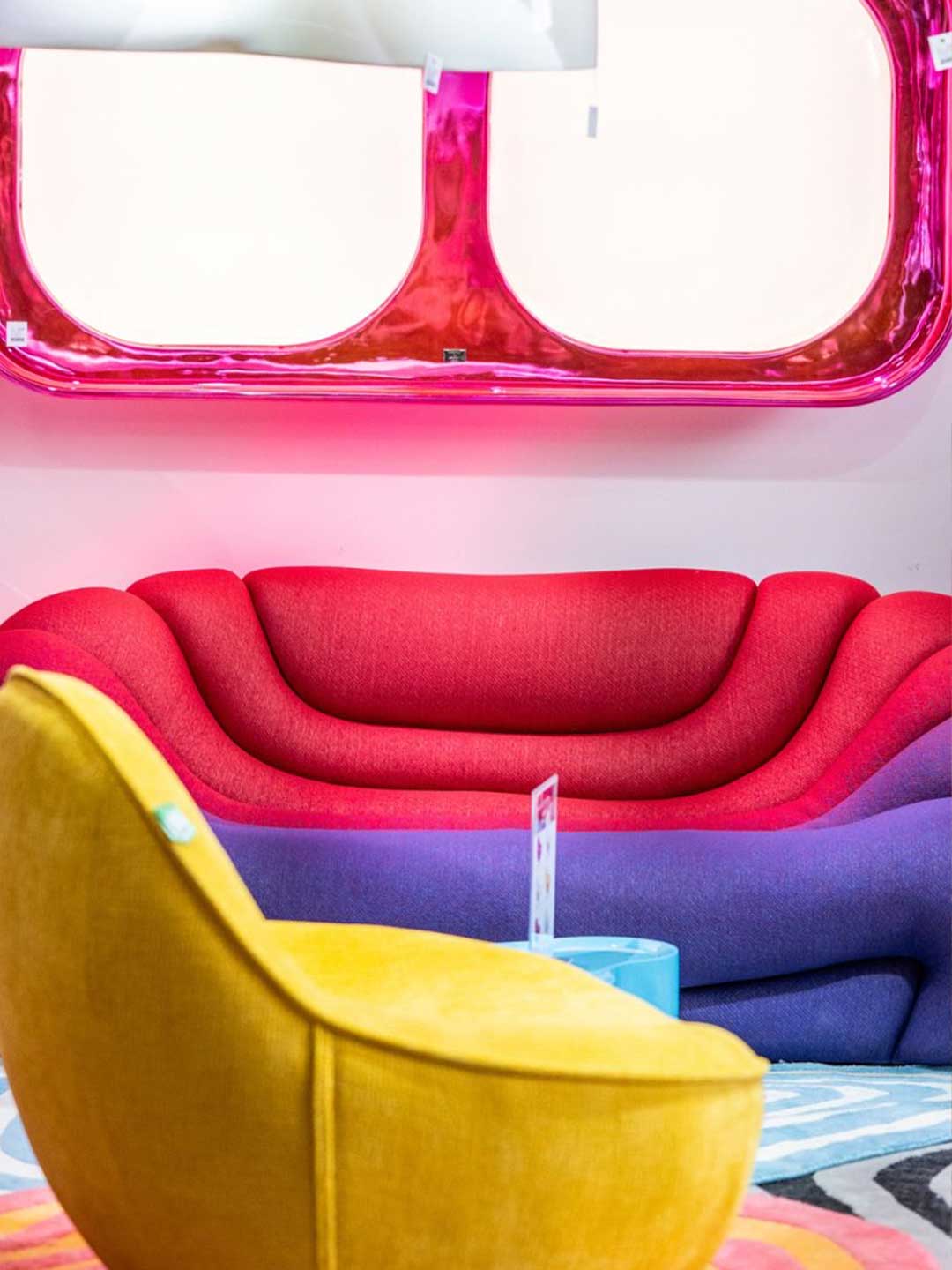
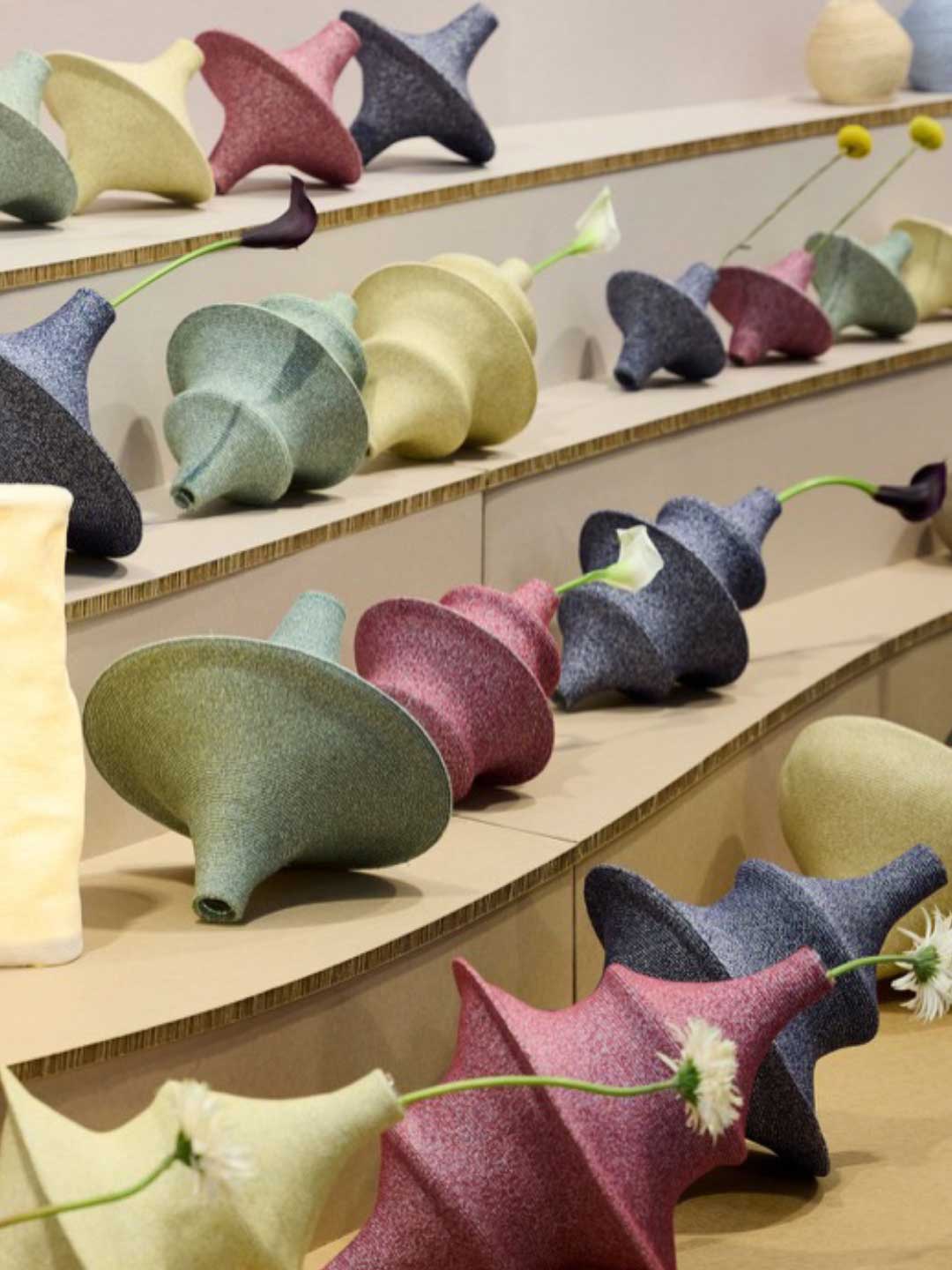
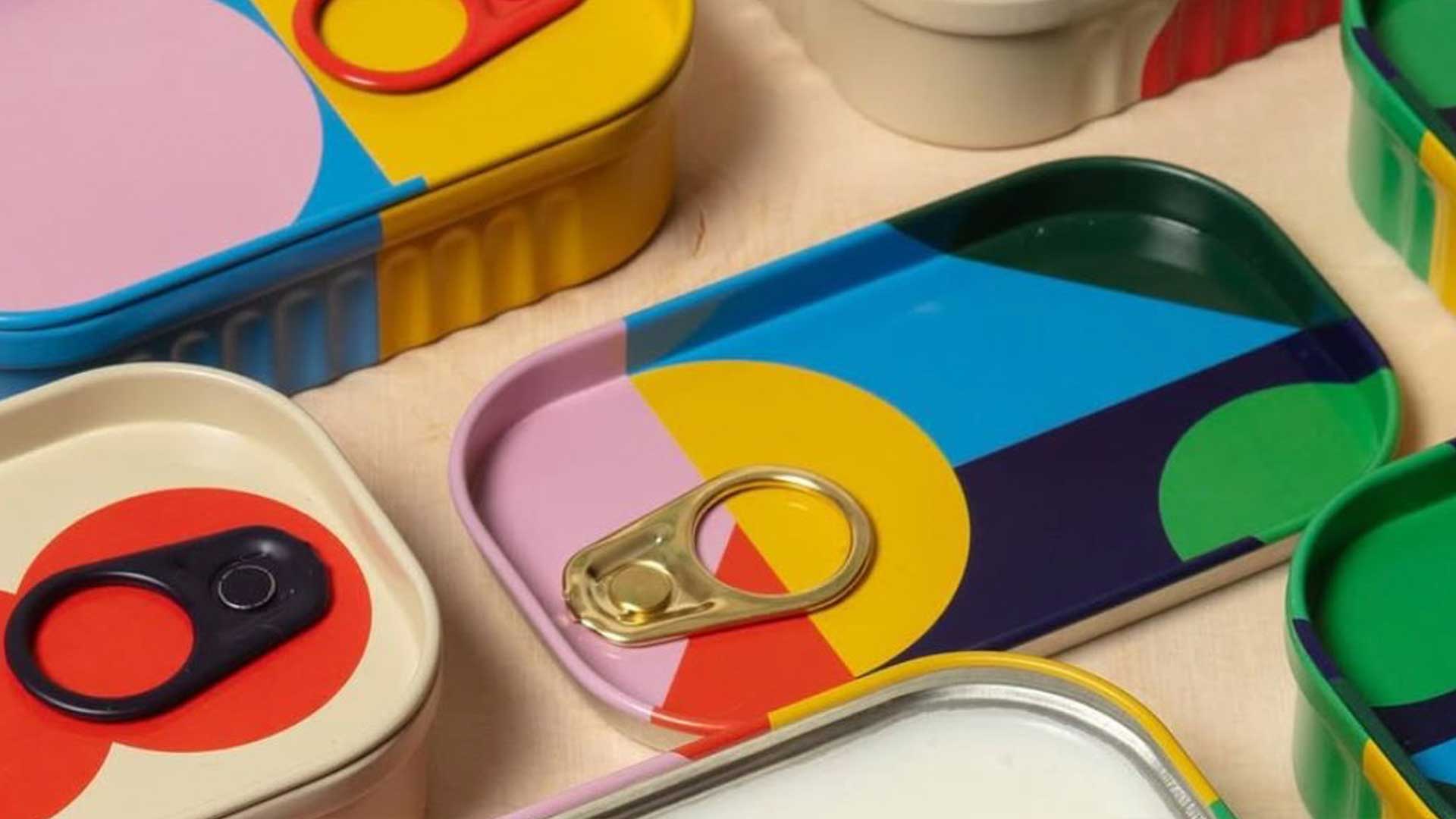
Under the umbrella of “Colour is King,” colour shifted from accent to intention.
Bold colour fields and strong material contrasts structured the visual field. Instead of gradients and subtle transitions, segmentation created clarity.
Colour now anchors the object and shapes the emotional reading of space.
For a Product Innovation Studio, colour becomes a strategic tool. It defines hierarchy, communicates brand identity and guides user perception.
Maison & Objet 2026 strongly reflects the three pillars that guide our work:
The theme “Past Reveals Future” embodies this integration. Heritage is not nostalgia. It becomes a foundation for resilient, forward-looking design.
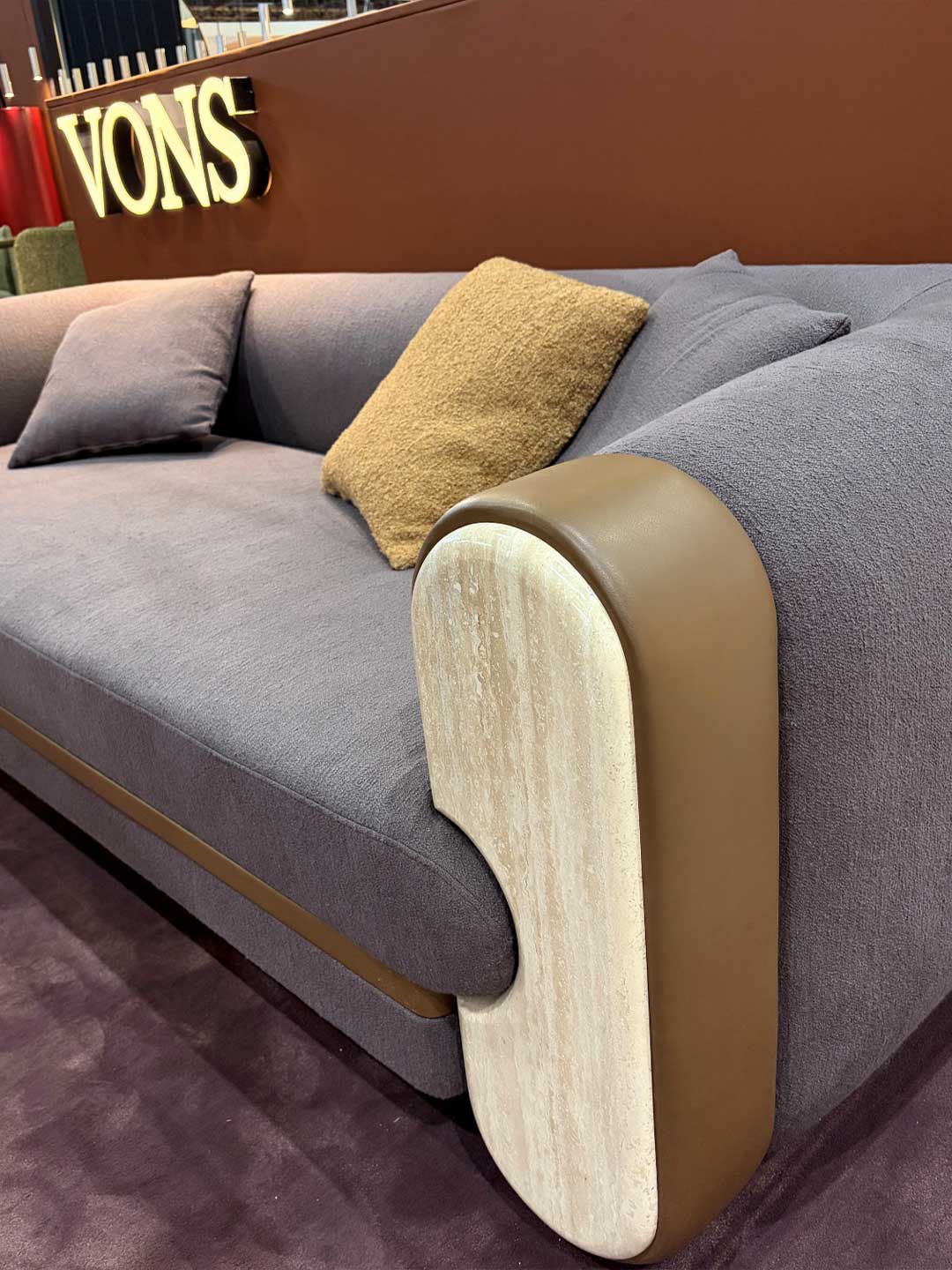


For decision-makers, these signals translate into strategic priorities:
As a global Product Design Studio working across Stuttgart and Shanghai, PHOENIX sees Maison & Objet 2026 as confirmation. The future belongs to brands that combine technological accuracy with emotional intelligence.
Design is no longer about faster cycles. It is regarding enduring substance.
Marc Michalak, Principal Design Modeller and CMF specialist, has visited the fair and compiled a detailed report including the information in this article and more.
Download the full report and see how these findings can inform your next innovation cycle.