

To launch the BIMOS TEXON chair, PHOENIX Design and BIMOS created a social media campaign that showcased the partnership, process, and people behind the product. Instead of simply listing features, the campaign explored how and why human-centred industrial design is created. This approach resulted in a series of coordinated posts and videos that translated years of collaboration into authentic, accessible narratives across digital channels—seamlessly setting the stage for a deeper dive into how the design story unfolded.
The campaign's core idea: good design results from real people working with genuine materials. The content shifted from polished product visuals to moments of making, testing, and reflection.
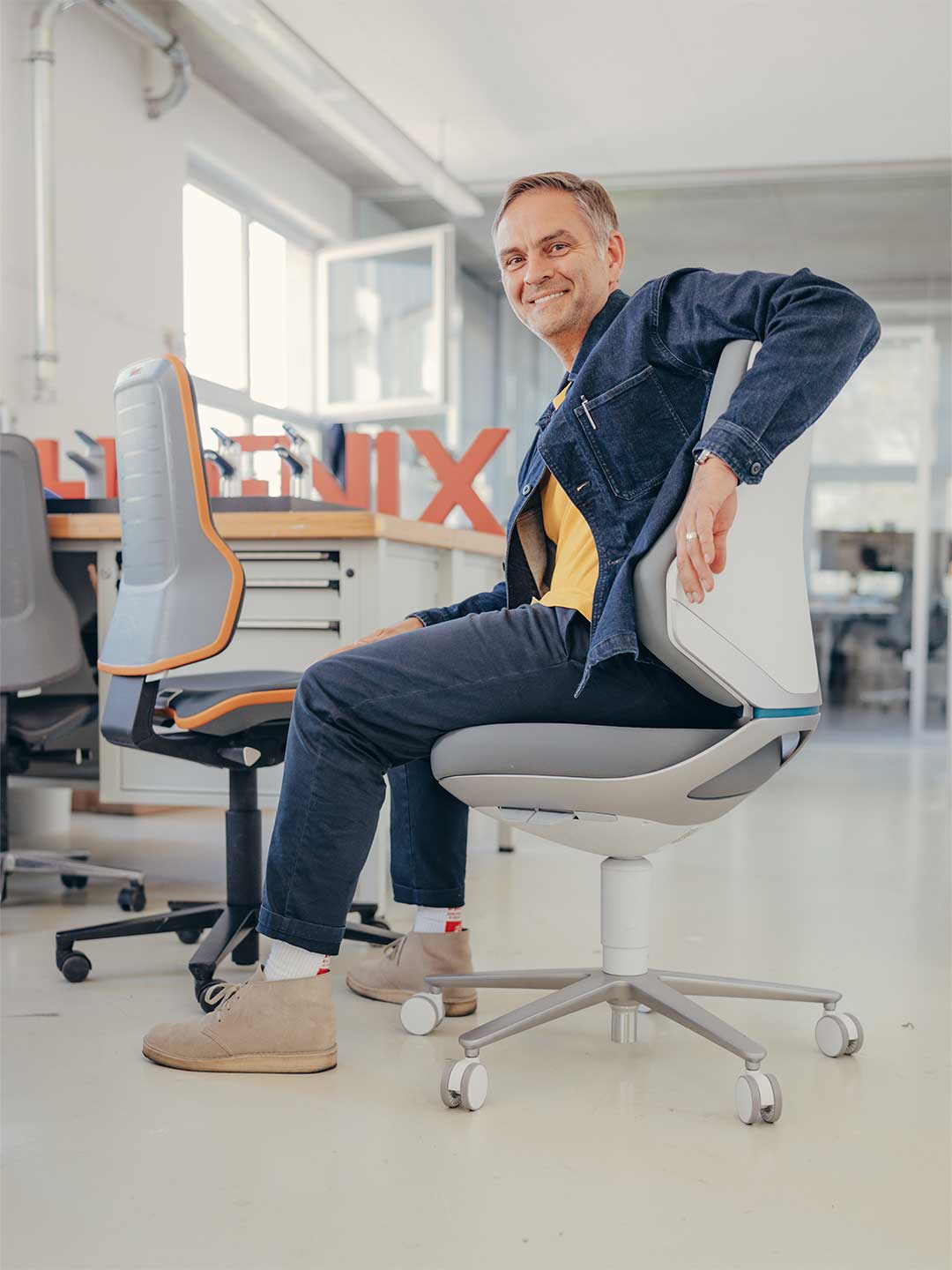
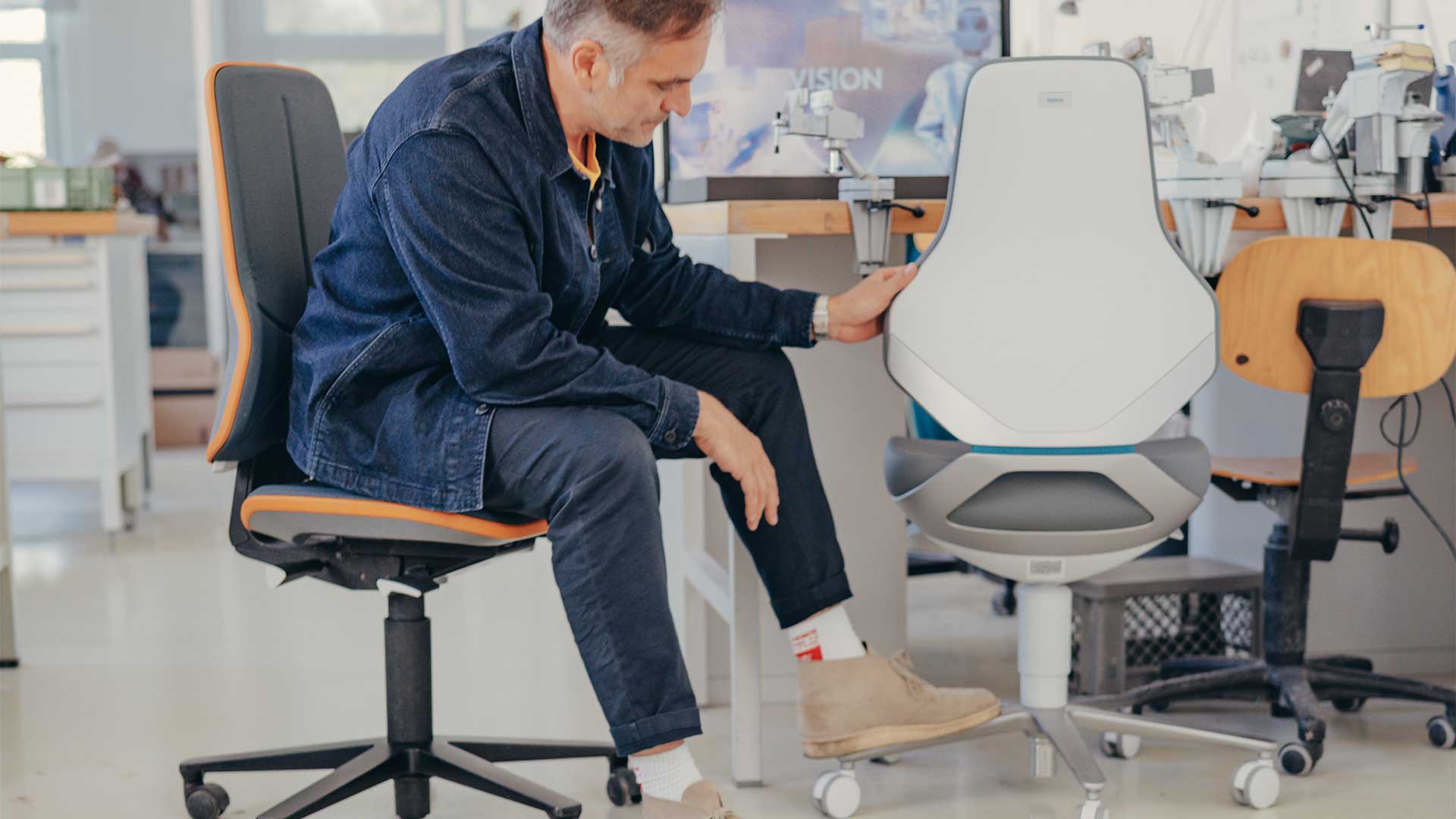
Short videos and stills showed prototyping in action, hands adjusting details, and designers interacting with the TEXON chair. This behind-the-scenes perspective reinforced PHOENIX’s belief: physical models and real-world testing are essential to designing products that respect the human body and work realities.
The campaign highlighted the individuals whose expertise shaped TEXON.
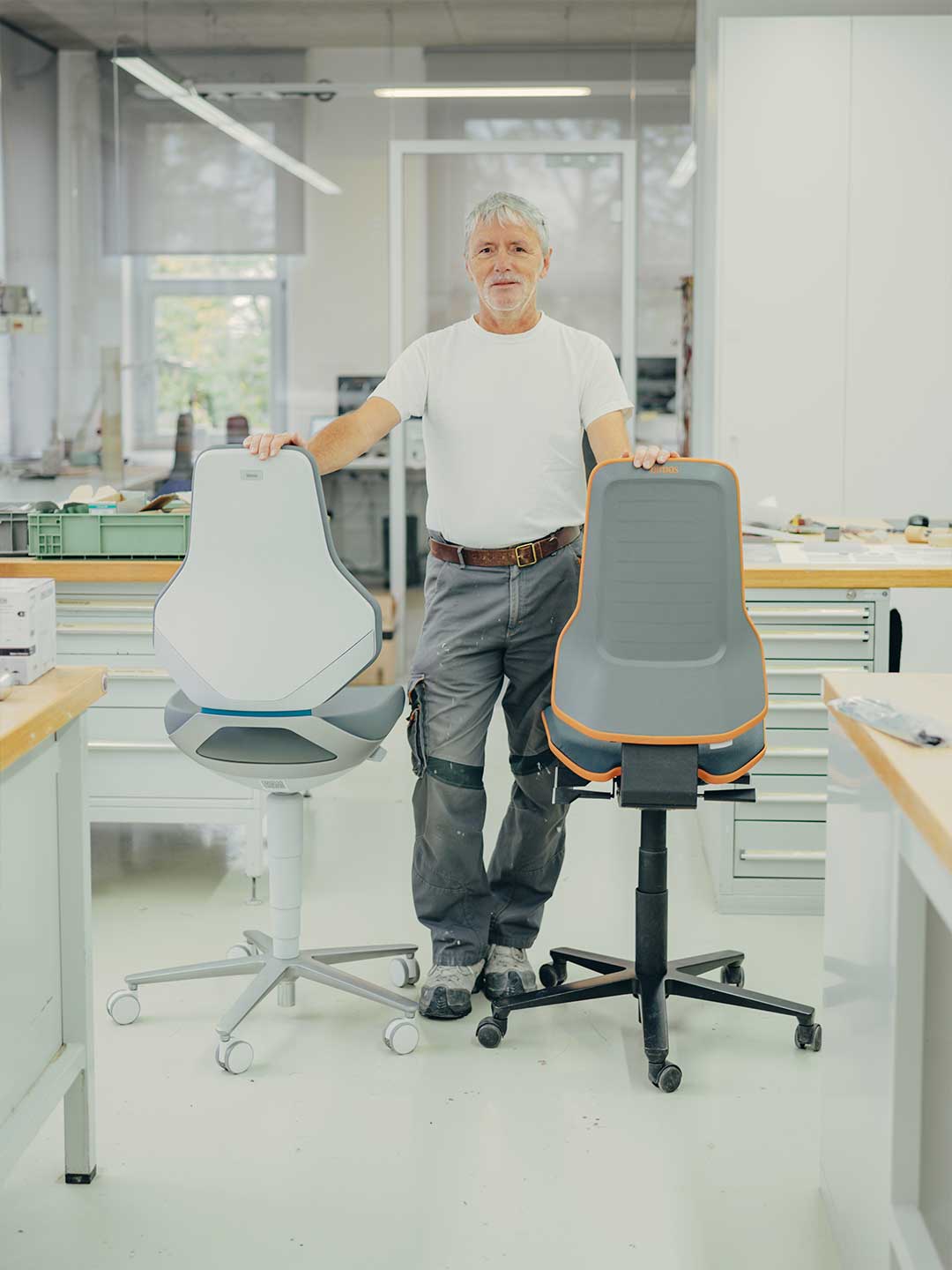
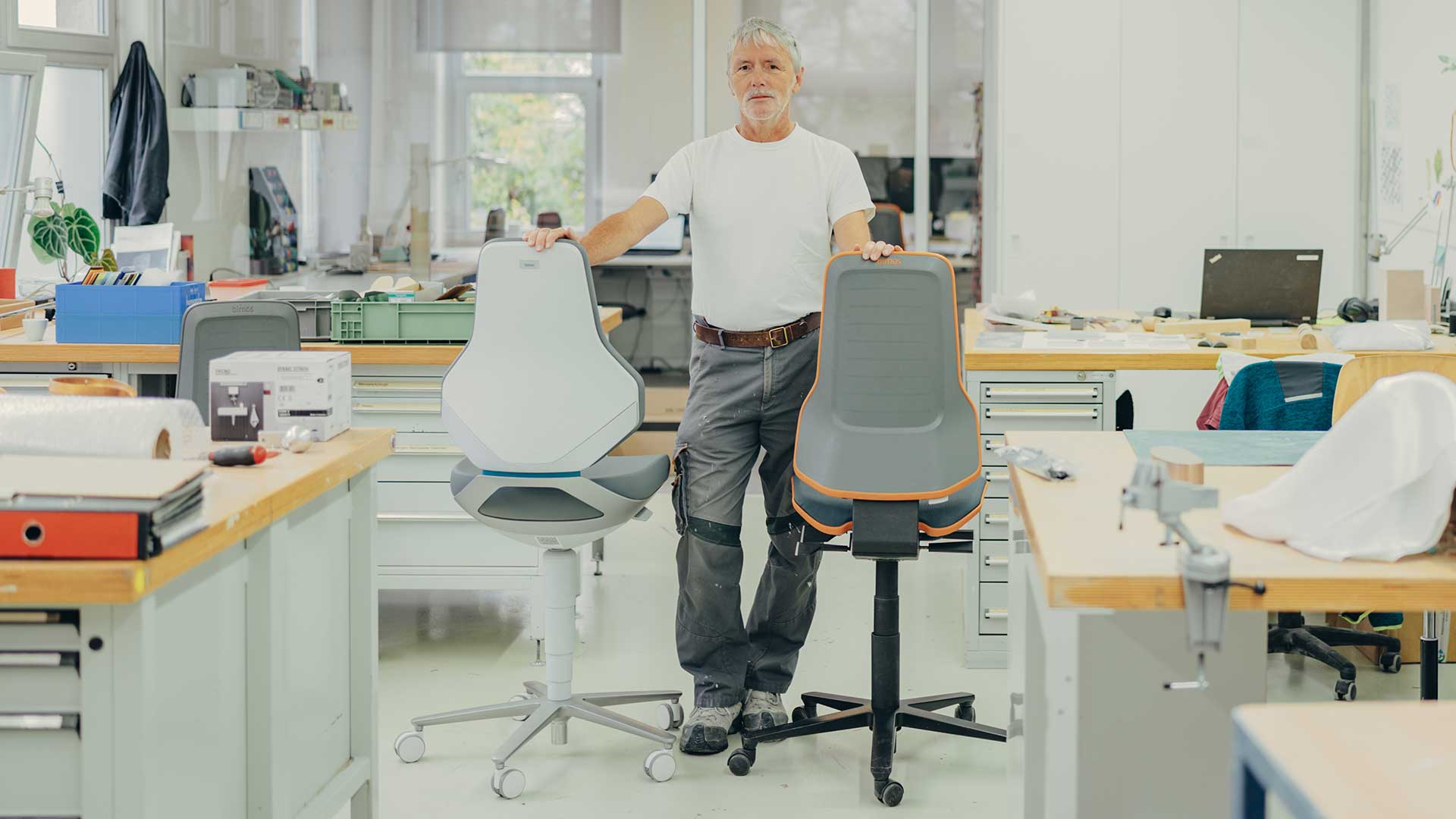
One story focused on Uwe Evertz, whose decades of experience as a model maker at PHOENIX have influenced the physical expression of countless projects. His role in refining curves, surfaces, and details, previously for the iconic BIMOS Neon and now for TEXON, was presented as a symbol of continuity, craftsmanship, and intergenerational knowledge.
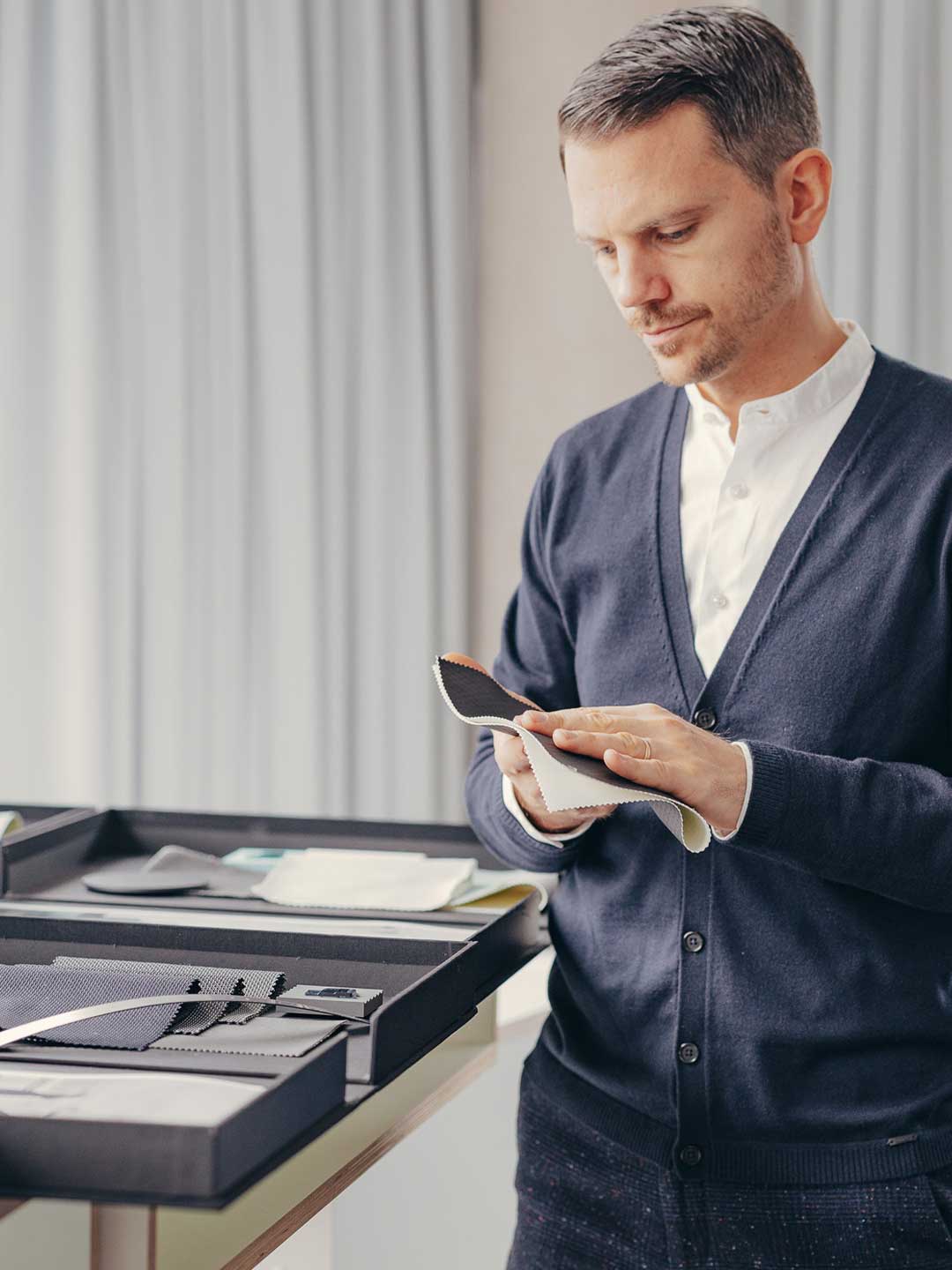
Another part of the campaign featured Aaron Schulz, Senior Industrial Designer and project lead, who explained how TEXON was designed for environments increasingly shaped by automation, robotics, and AI. His contribution framed the chair as a response to a critical question: how can design support the human role in complex, highly regulated workplaces?
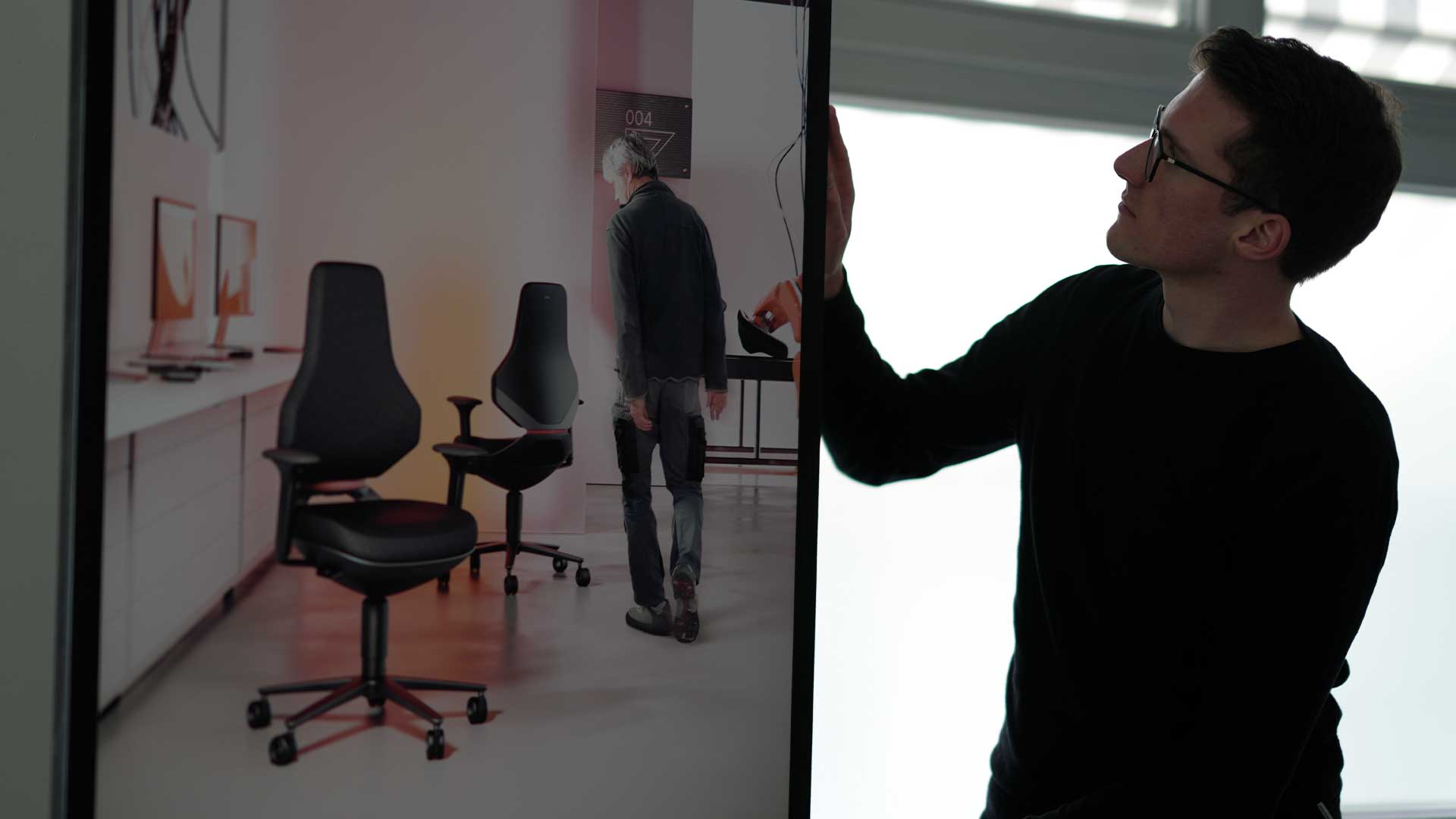
Also, we had Björn Domschke, product manager at Bimos, talking about the Value of design and the benefits of having it as part of the foundation, not an afterthought in the process of bringing form, function, and responsibility into people's lives.
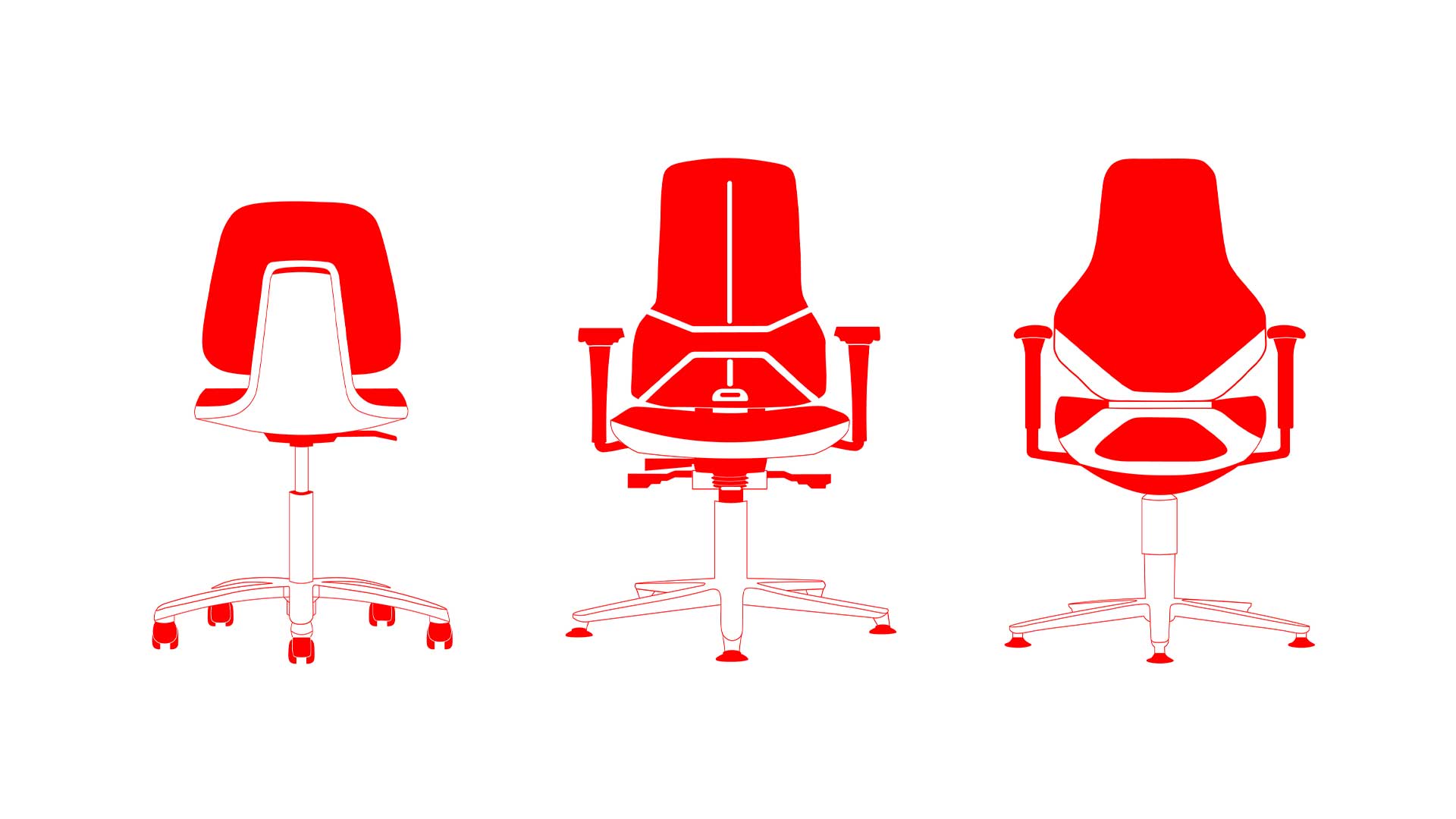
PHOENIX Design and BIMOS both believe design must prioritise people—even in automated, safety-critical environments. This shared philosophy led to a decade-long collaboration culminating in the BIMOS TEXON chair, which sets a new benchmark in industrial seating through ergonomic excellence, hygiene, and precision engineering.
This legacy informed the TEXON project, translating years of experience and hands-on craftsmanship into a future-ready solution for modern workplaces.
The campaign visually echoed the product's clarity and precision. Clean compositions, neutral backgrounds, and honest lighting directed attention to form, material, and interaction. TEXON appeared both as an object and in use—reinforcing its role as a working tool rather than a static icon.
This consistency across posts ensured a strong, recognisable presence for the PHOENIX × BIMOS partnership while allowing each piece of content to highlight a different facet of the collaboration.
The social media campaign not only increased visibility, but made the PHOENIX × BIMOS partnership tangible—demonstrating how collaboration produces products that combine engineering discipline and human-centred design.
The TEXON campaign showed that industrial design communication can be effective without being loud. When rooted in authenticity and clarity, storytelling can convey quality, trust, and relevance—values shared by both PHOENIX and BIMOS.
The BIMOS TEXON chair shows that embracing challenges with clarity and responsibility drives progress, not limits it.