


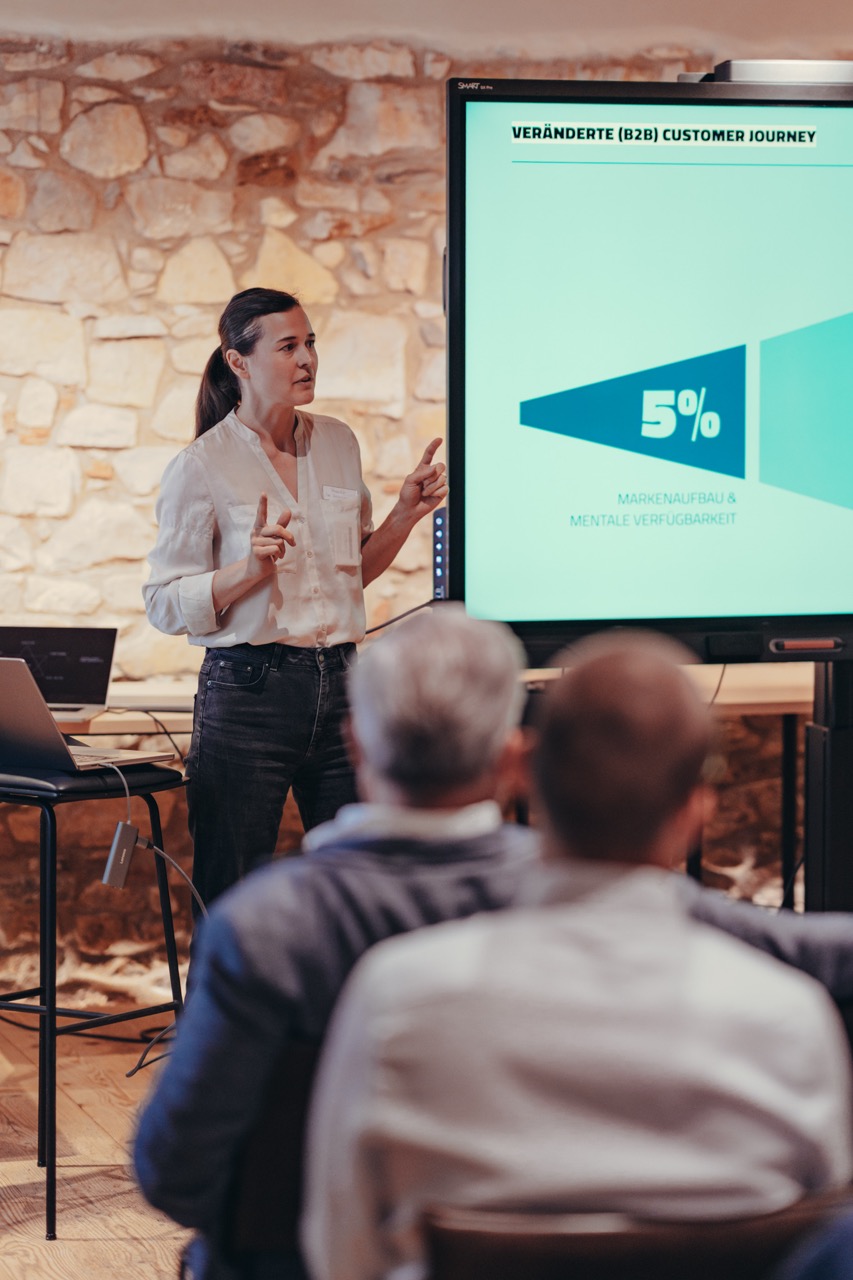
Market conditions are changing at an unprecedented rate. New technologies appear suddenly, customer expectations keep changing, and brands no longer compete just on performance or price; instead, they compete on relevance. At the recent meeting at Krone 1280, entrepreneurs, strategists, and designers came together to discuss how businesses can stay relevant in a rapidly changing world.
For PHOENIX, the event provided an opportunity to explore how design, technology, and business strategy intersect to create products, brands, and experiences that continue to matter.
The afternoon started with discussions instead of presentations. While networking, the participants were given the chance to try out the nunc. Beyond just serving coffee, nunc served as a springboard for talks on rituals, product experiences, and the emotional value that everyday objects can have, showing that even routine activities can be made meaningful by careful design.
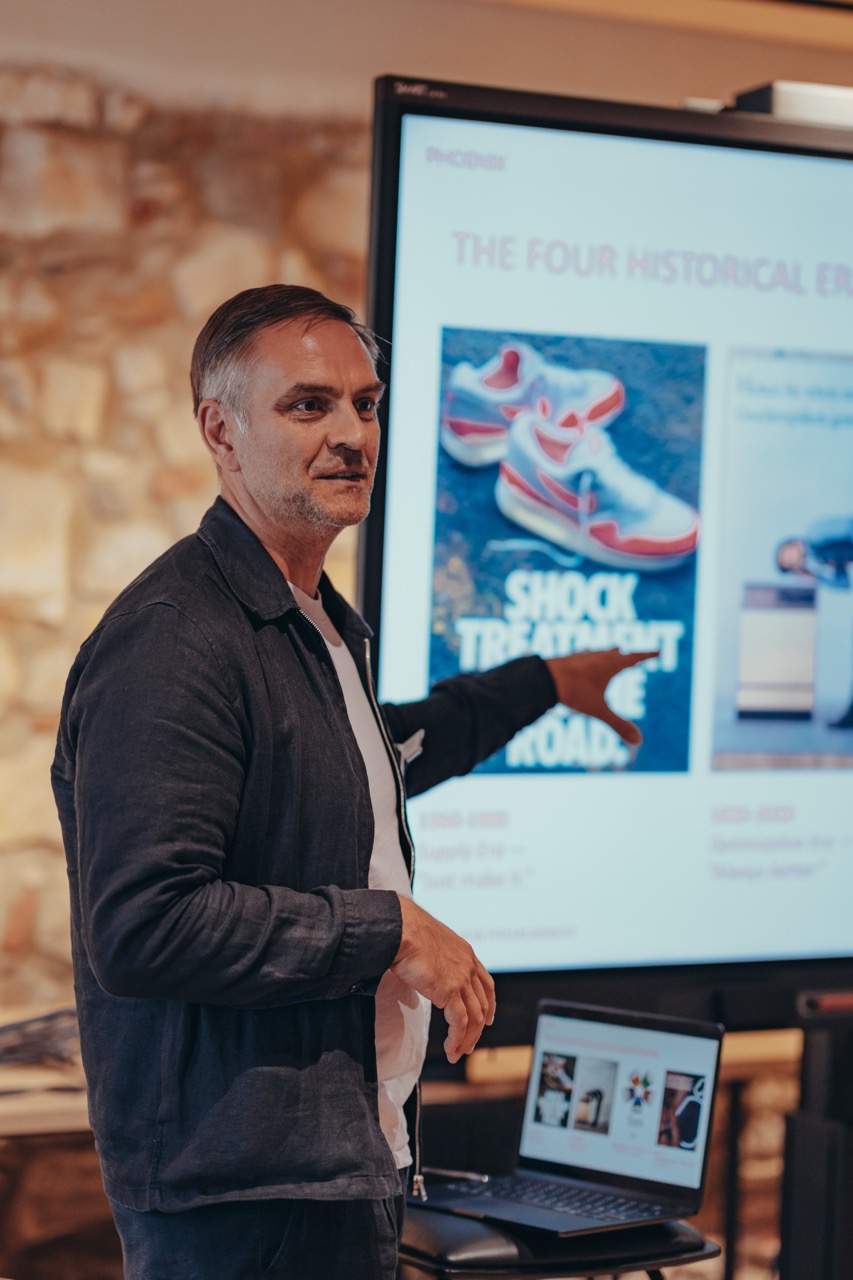
By drawing on ideas from economics, politics, and society, Guido Baltes established the atmosphere for the day. He showed that many of the assumptions which had contributed to the success of businesses over the past few decades are now becoming less reliable.
Since markets are increasingly characterised by uncertainty rather than predictability, adaptiveness and long-term relevance have to be seen as essential capabilities rather than optional advantages.
Instead of providing simple answers, the presentation promoted a more extensive point of view by considering change not as a temporary disturbance but as a permanent feature of businesses and brands.
The first case study showed how this challenge becomes concrete within existing companies.
Formigas and Elma Schmidbauer discussed the evolution of a family business that has been in operation for three generations. The question that had directed them was at once simple and fundamental: How do you redefine yourself after the first generation set up the company and the second generation succeeded in expanding it?
Innovation is the key to their answer.
By introducing digital solutions such as CaviCheck, Elma is extending its established expertise in ultrasonic cleaning with intelligent monitoring and process control. The digital technologies do not replace the company's existing strengths but rather supplement them, adding value for customers and at the same time preparing the company for future requirements. The example showed that there is no need to give up a successful heritage in innovation; what matters is adapting existing skills to new situations where they will still be relevant.
Our managing partner Andreas Diefenbach gave the second example and looked at how we as designers respond to this changing situation. Even though there has been technological progress, the human being still occupies the central position. Innovation is no longer entirely the result of functions or features; it comes from a deep understanding of emotions, daily habits, and people's wish to own something that closely resonates with their lives. To illustrate his point, the case of nunc. showed why products with real value are developed around rituals, not specifications. Rather than generating only a temporary thrill, effective design establishes enduring relationships. The aim is to have a campfire rather than fireworks.
Fireworks make an impression for a moment before vanishing. A campfire encourages people to remain. It brings about a sense of familiarity, comfort, and belonging.
This way of thinking is in keeping with our general approach concerning innovation. Instead of making products for everybody, we focus on designing for people who have particular needs, aspirations, and values. The market is already saturated with generic solutions, while the real opportunity is in developing products that become highly significant to the people for whom they are intended.

The last presentation changed the attention from products to brands.
The Goodwins, in collaboration with the medical technology company Pajunk, showed that brand identity goes well beyond visual aspects such as logos, typography, or colors.
A strong brand starts by knowing itself.
Only when a company combines a knowledge of its internal identity with an analysis of the external market can it create a position that stays distinct over time. In markets that are becoming more and more competitive, authenticity is just as important as visibility.
The example showed that branding involves more than simply visual communication.
It is about having strategic clarity.
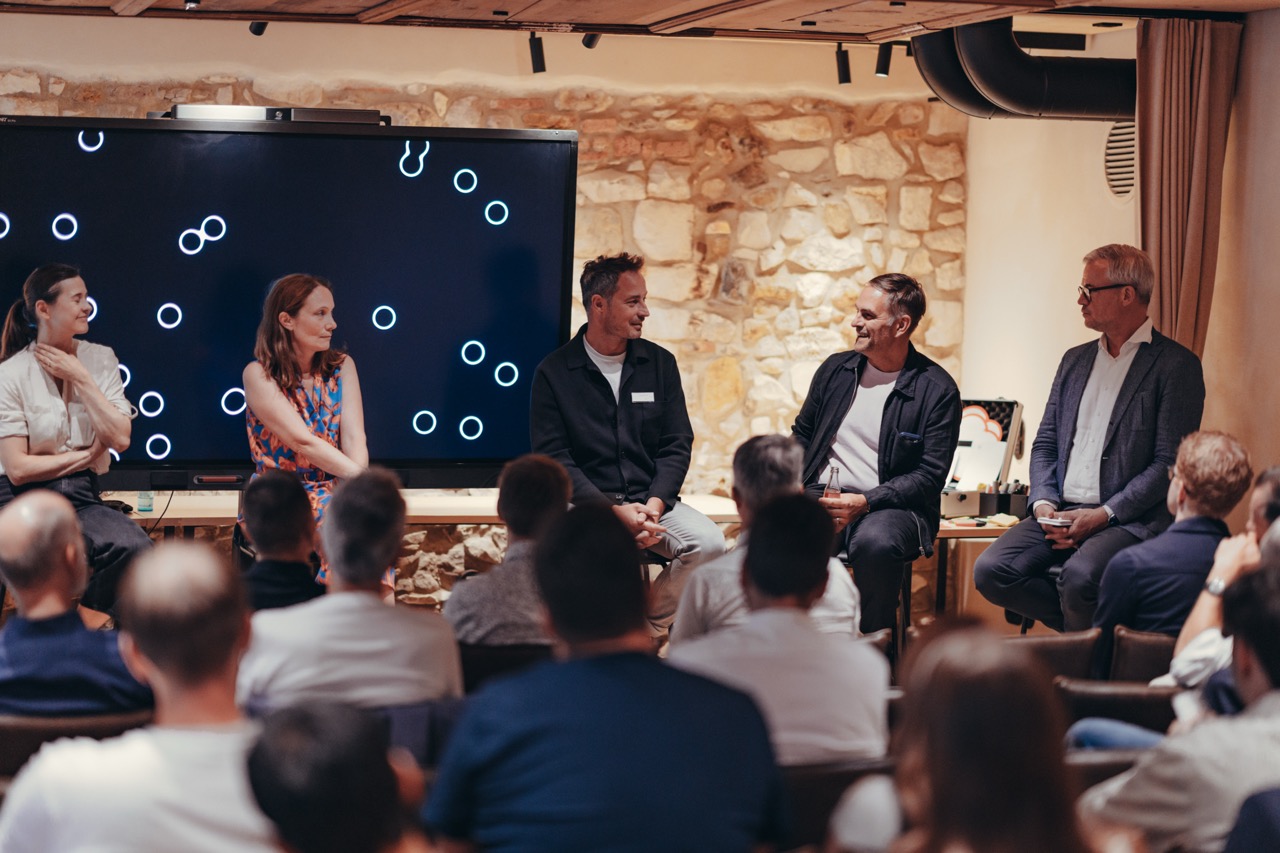
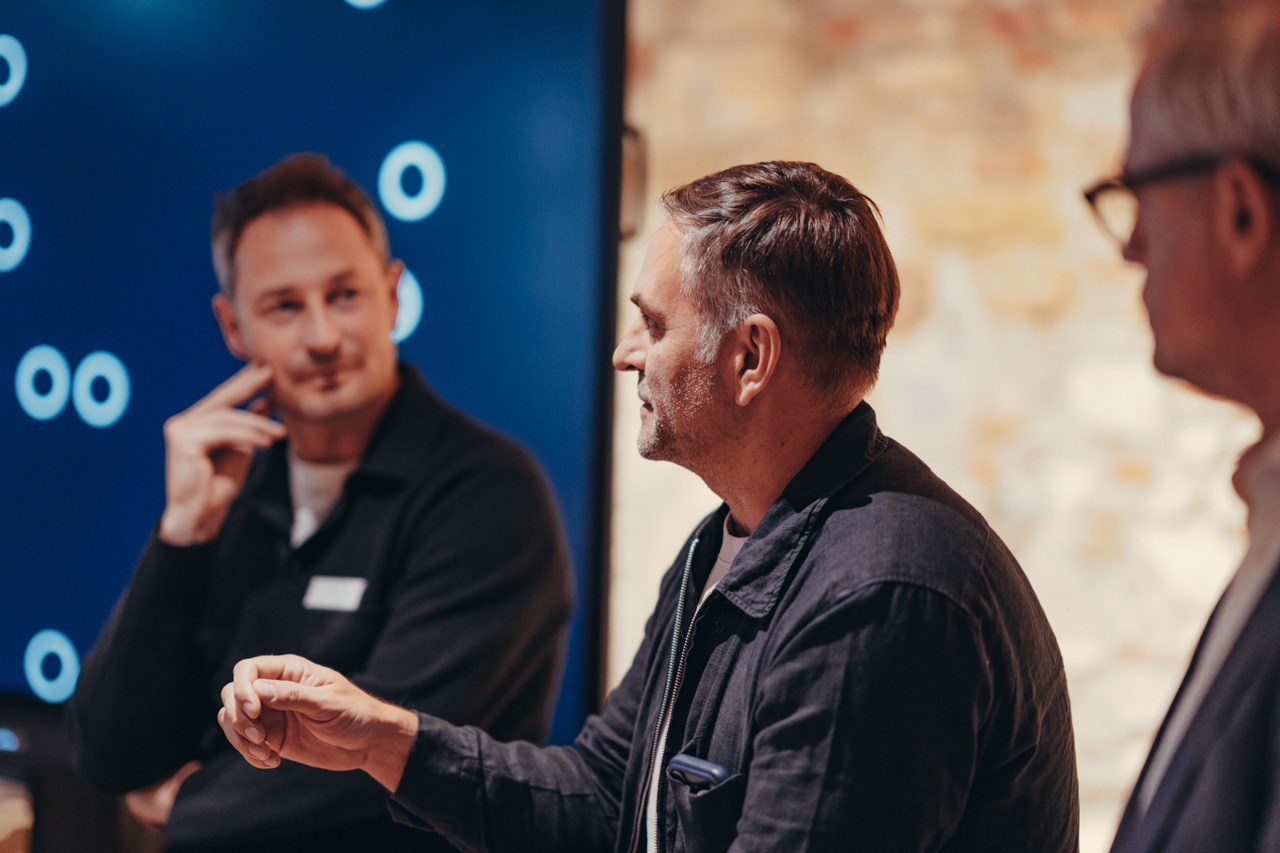
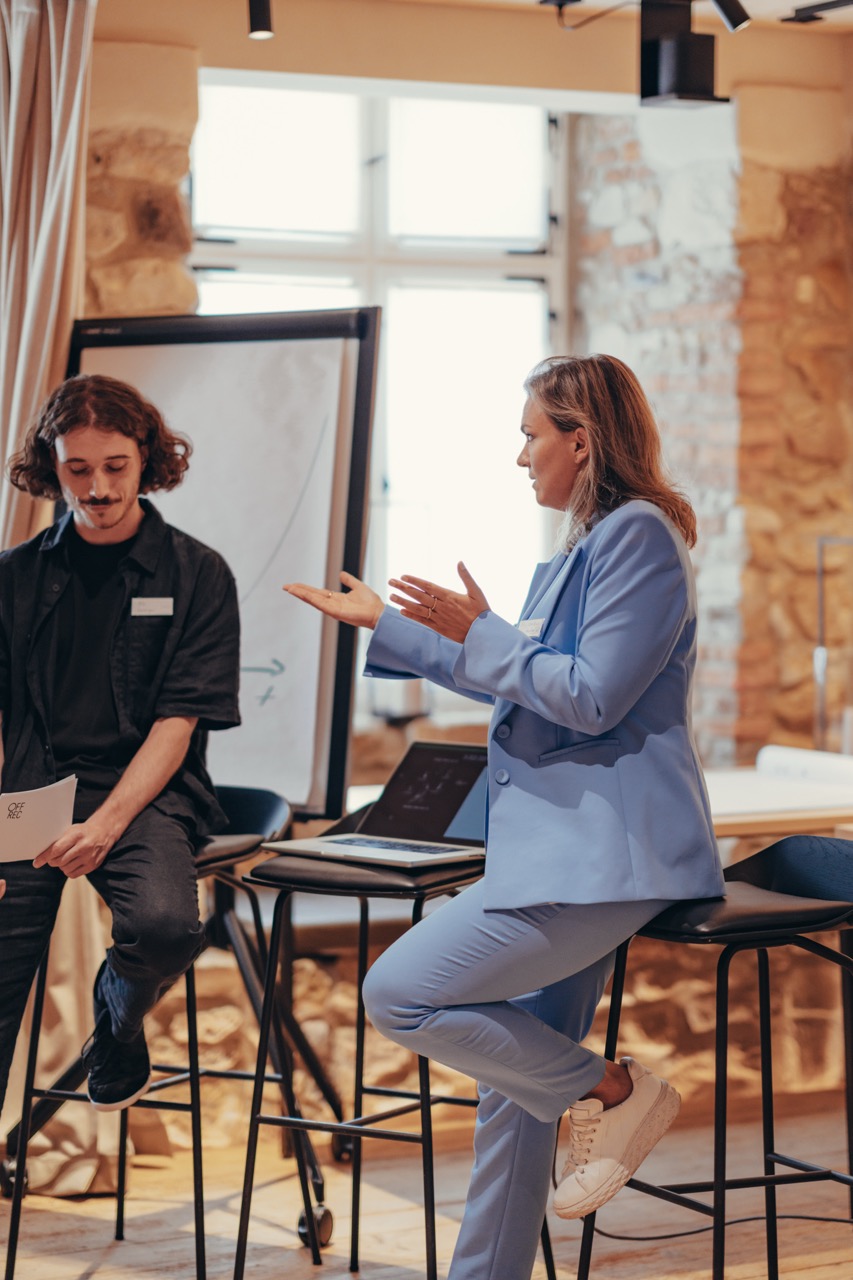
The event ended with a panel discussion in which the speakers openly shared their views on the problems facing their organizations, covering areas such as technological change, shifting customer expectations, and the role of design in creating sustainable business value. As conversations continued over dinner, one insight remained consistent throughout the day: The future will not go to those companies that innovate the fastest.
It will be the property of those who understand people most deeply.
For PHOENIX, this confirms a belief which has directed our efforts over many decades. That design is not about adding features; it is about creating relevance, achieved through products, services and brands that people truly want to live with.
Because in times of constant change, relevance becomes the most sustainable form of innovation.