

Every intern at PHOENIX gets the chance to design a yoyo. The project might start with something familiar, but there are no strict limits. Over time, this challenge has become a way for new designers to experiment with materials, technology, systems, and the big questions that influence our world. This year's challenge begins with a simple theme: "Technology and Ice”. This idea came from a bigger question: what happens when nature and technology rely on each other? And what does that relationship show us about our own part in it? Conrad and Caro took different approaches to the theme. Conrad thought about the moment when a delicate relationship ends. Caro focused on the two materials' qualities and wondered how their differences could show up through play, data, and movement.
Caro began by asking what defines the two elements at the centre of the project.
Ice is a natural material, shaped by basic laws of nature. It seems temporary because it melts, but melting is just a change of state. Ice turns into water, and water can turn into gas. As it changes, ice affects its surroundings but stays part of nature’s bigger cycle.
Technology is very different. It is made by people, built to be precise and reliable. Its parts are often sharp, layered, and complicated. They are not made to look nice, but to do their job well.
But technology also relies on things outside itself. Without energy, it cannot work. So, even though it seems permanent, it depends on a bigger system to keep going.
These two elements are different, but neither stands alone. Ice changes because of nature. Technology works because of energy and people. Their short-lived partnership begins where these two types of dependence meet.
Caro translated these differences into the yoyo's appearance.
The ice is translucent. It refracts light and can seem to glow from within, forming organic shades that change as the material transforms. Its familiarity is part of its character: water has surrounded us since birth, yet ice remains fascinating because it can shift between states.
Technology, by contrast, is expressed through geometry and function. Its language is angular, stacked, and complex, with a certain intensity that can even feel intimidating. Rather than hiding this technical world, Caro made it visible.
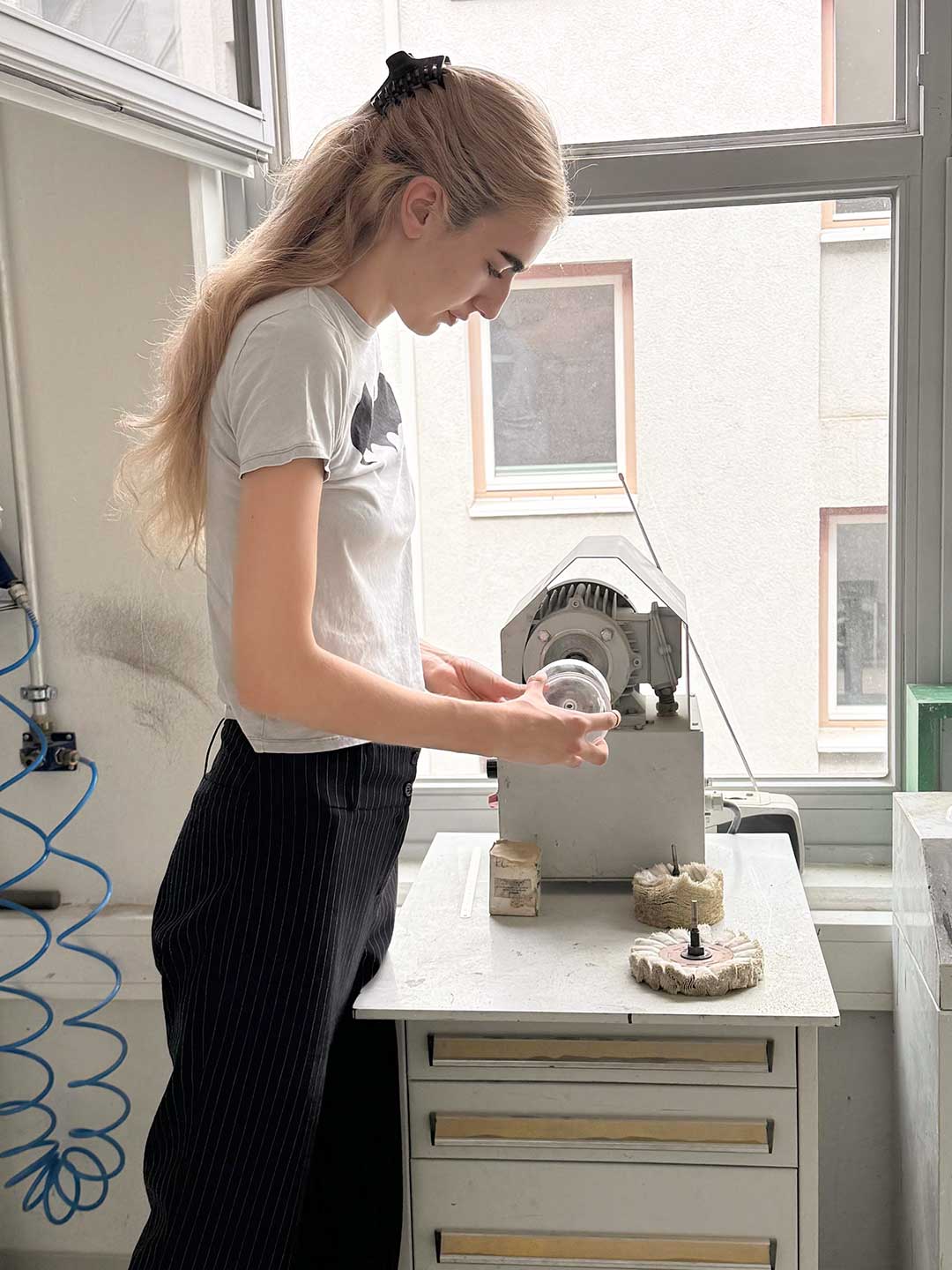
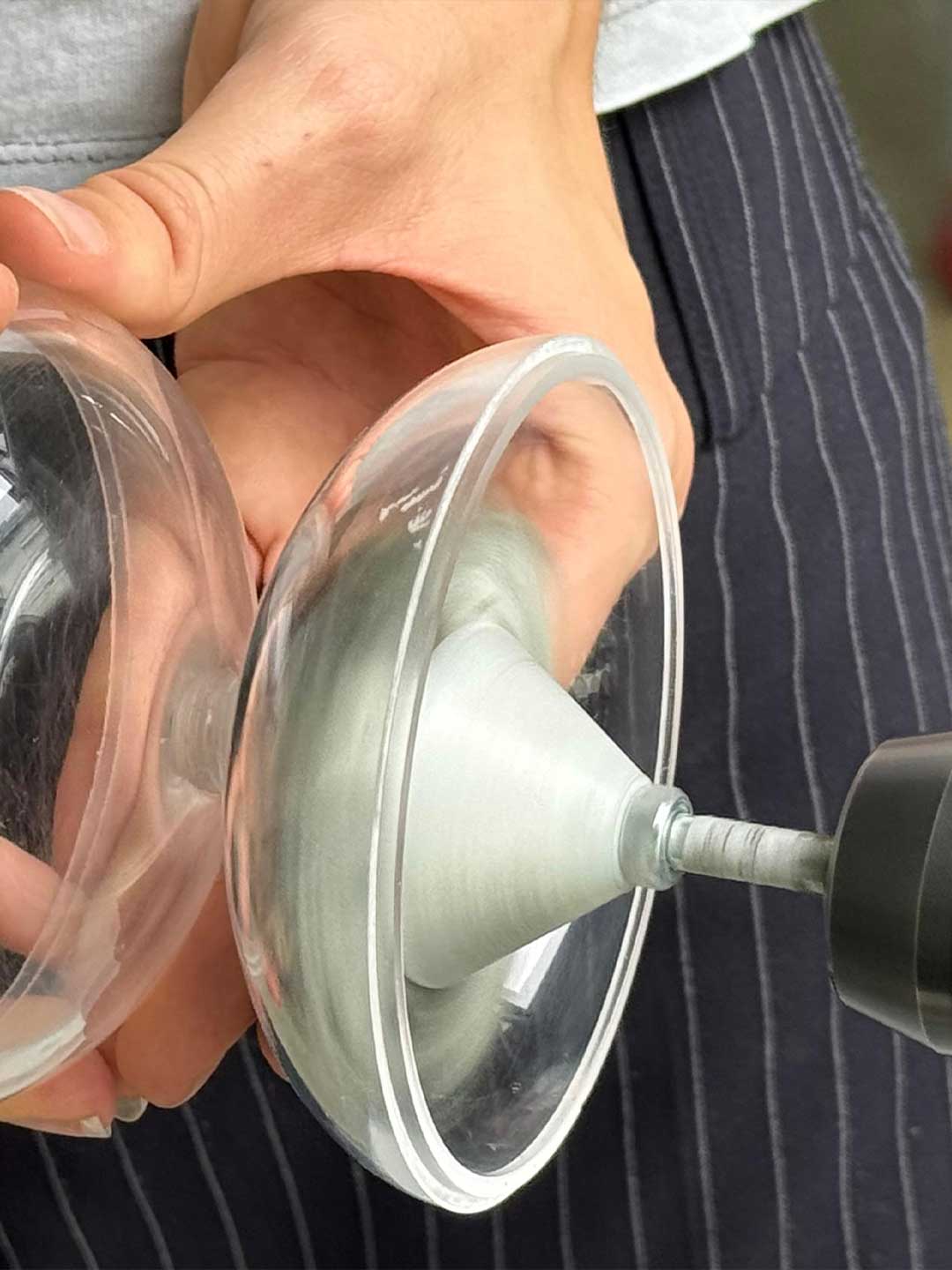
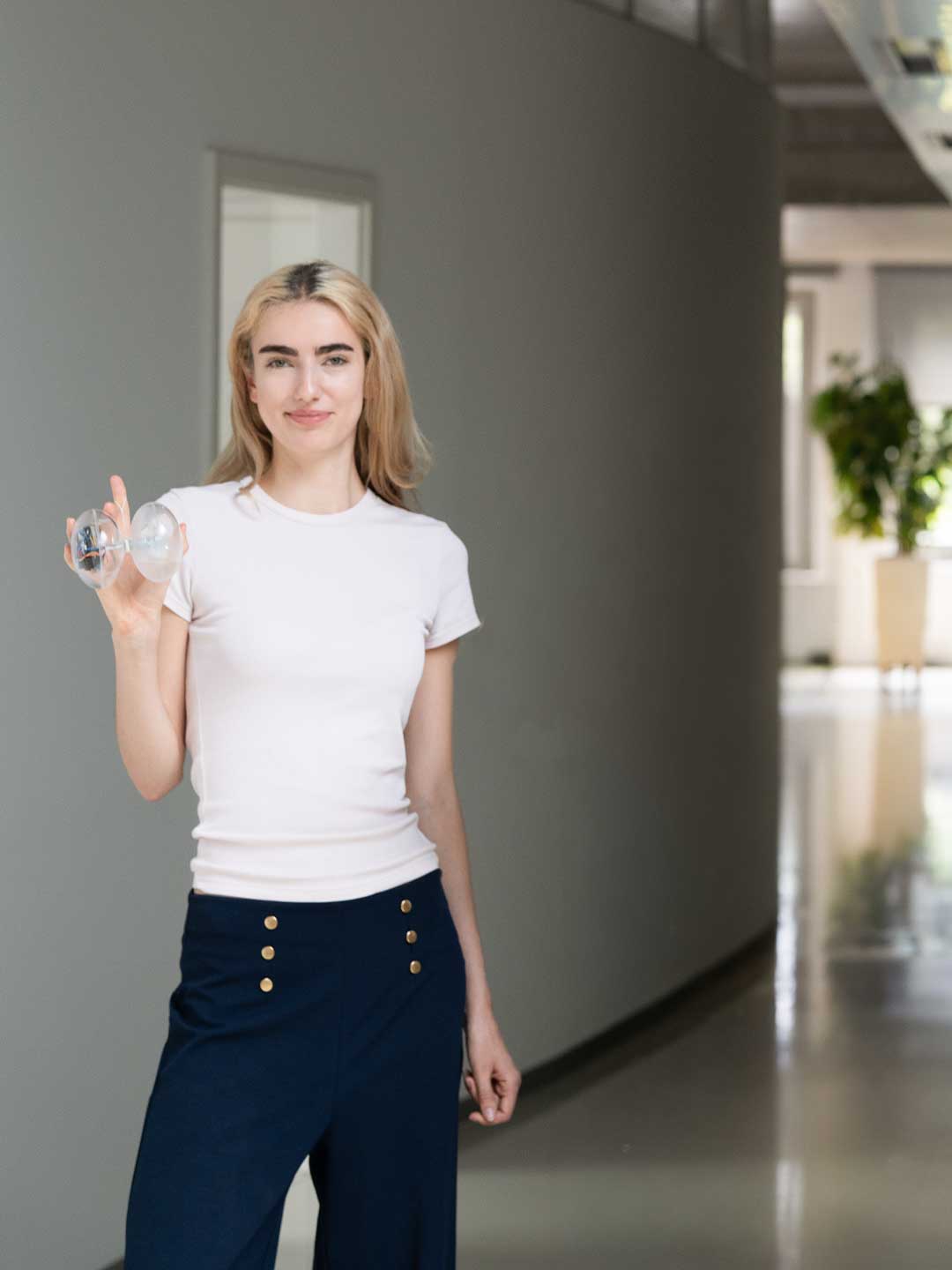
The yoyo sits inside a transparent acrylic shell. Its round form lets you view the object from every angle, holding the two contrasting worlds together without letting either disappear. The ice and the technical components each retain their own space, but they cooperate within the same structure.
The shell itself is part of that conversation. It does not disguise the technology or turn the ice into an isolated specimen. It creates a shared volume in which both can be seen at once.
At the centre of Caro's yoyo, a temperature sensor extends through the axis and into the ice. It records the ice cube's temperature in real time, allowing the technology to register the melting process as it happens.
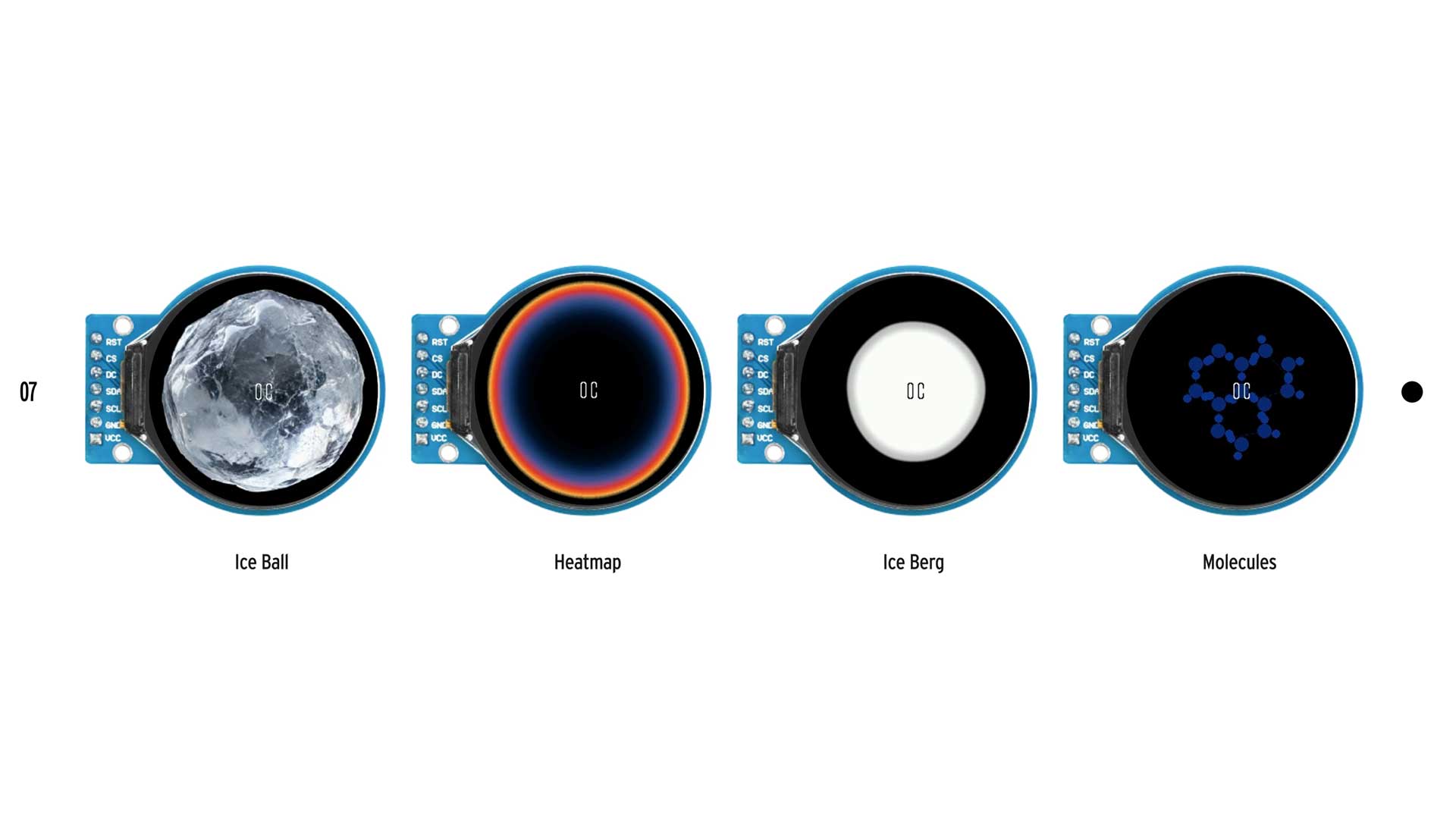
A circular display translates this data into visual form. Rather than representing the melting process in only one way, Caro developed four different modes, each offering a distinct interpretation of the same changing condition.
The first visualisation resembles the ice itself. As the temperature rises, the ice ball shrinks, and more of it turns into water.
The second is a heat map. Colour communicates the temperature change: colder conditions appear in blue and dark tones, while warmer conditions shift toward orange and red.
The third visualisation takes the form of an iceberg. At first, it remains fixed. As the ice melts, it begins to drip, while water rises around it. The digital iceberg starts to float and responds to how the user holds the yo-yo, using gyroscope data.
The final visualisation moves further into abstraction. Water is represented through its molecular structure, with oxygen and hydrogen molecules forming a dynamic field. In colder conditions, the particles create hexagonal formations associated with ice. As the temperature rises, the structure becomes more fluid, and the molecules move more freely.
All four modes help us see what we normally cannot. Temperature turns into colour, size, movement, and shape. The display does more than just show the ice melting; it gives us different ways to understand what is happening.
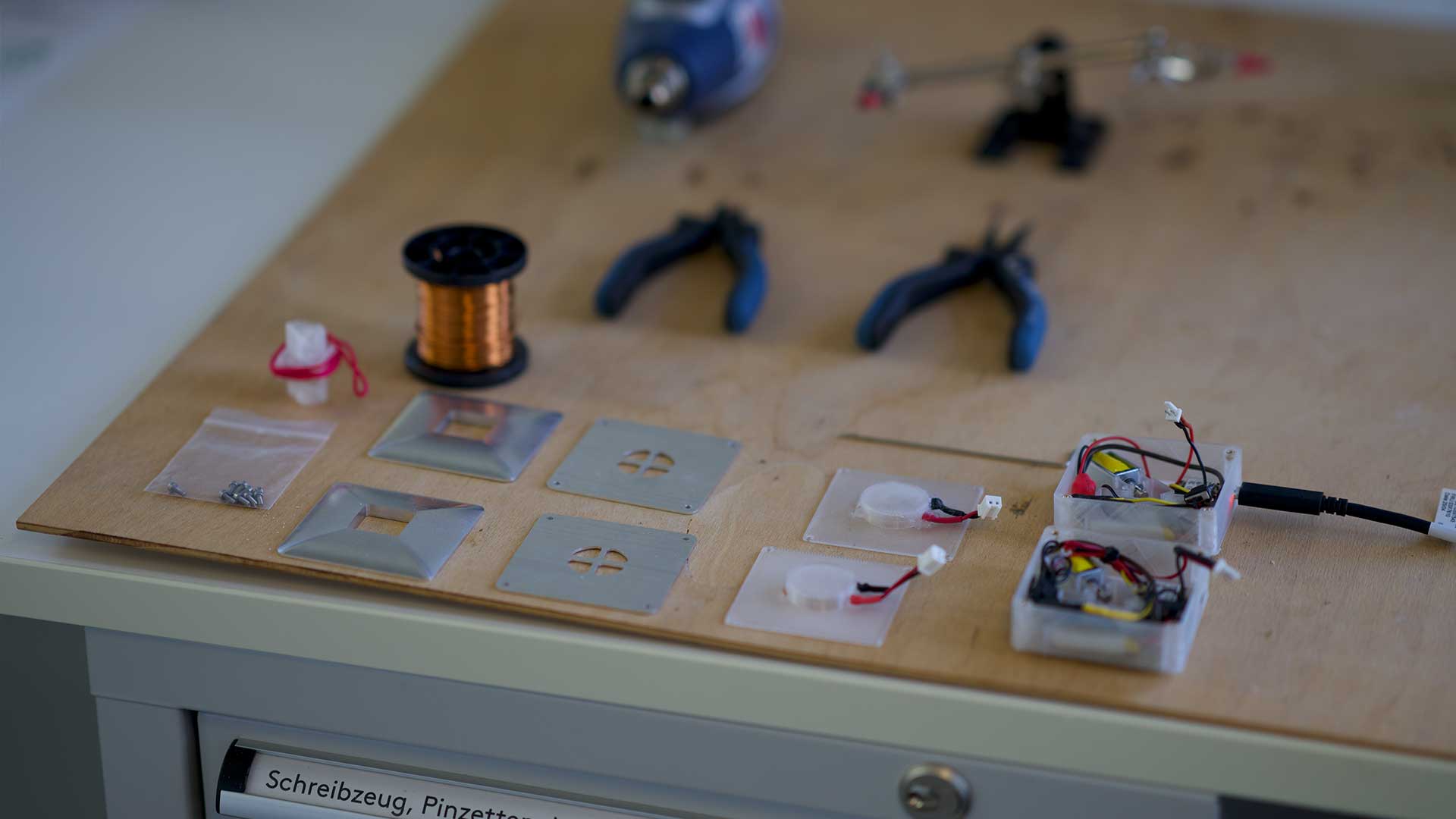
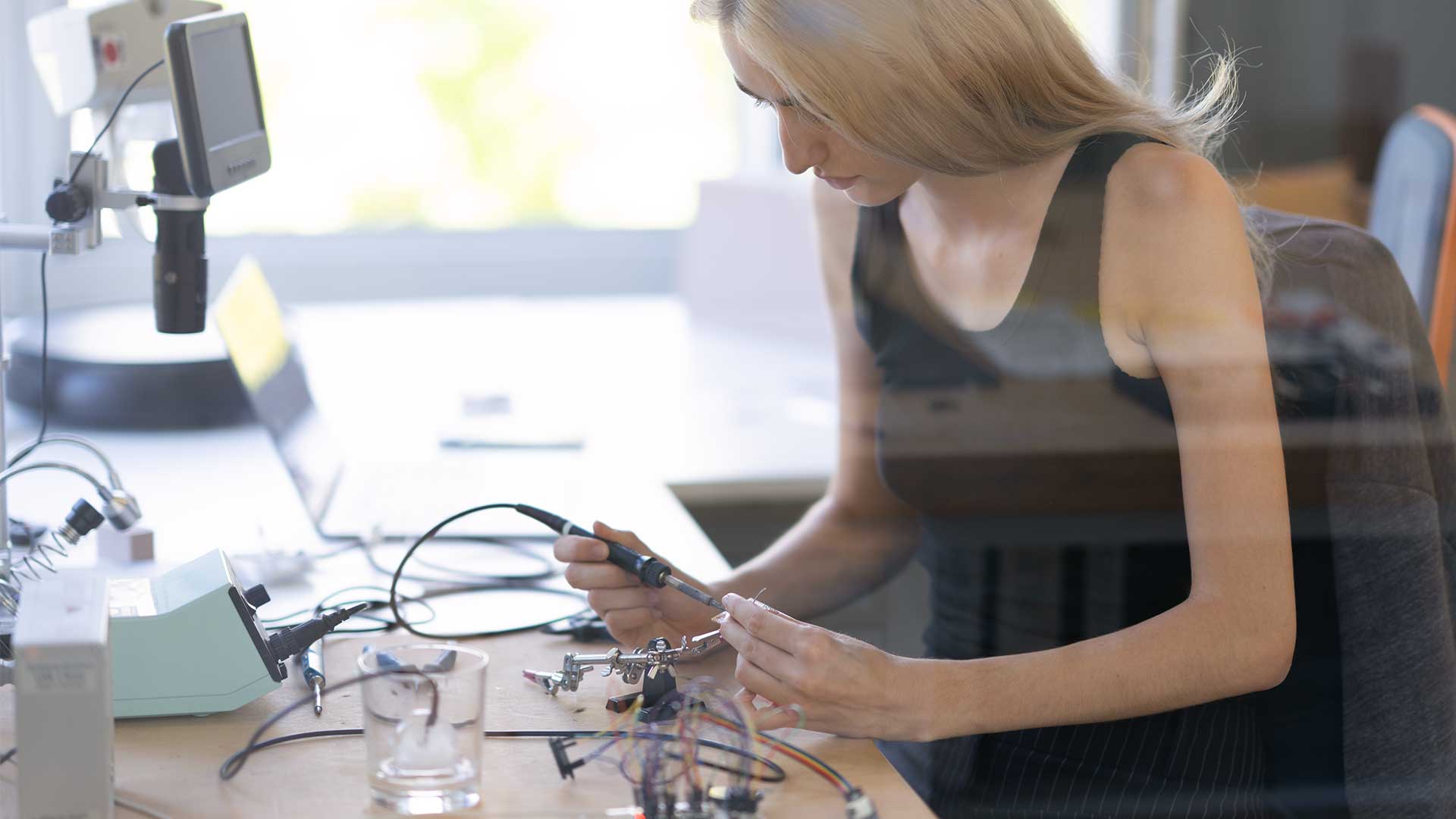
The technical system combines a temperature sensor with a gyroscope, which detects movement and gravity. A microcontroller acts as the yo-yo's central processing unit, connecting the sensors and controlling the display. A button lets the user switch between visualisation modes, while a switch turns the system on and off. A battery pack enables the display to operate wirelessly, and a microSD card stores the images and screen recordings needed for the visual output.
The result is a device that measures nature in more than one way. The technology watches the ice and also tries to make sense of it. Data becomes a tool that helps people notice changes they might otherwise miss.
This adds another part to the partnership. The ice changes, and technology shows those changes in a way we can see. Neither replaces the other. The display is there because the ice changes, and we notice the ice more because of the display.
At first, the idea of nature and technology working together might seem strange. People often think of technology as harming nature, not helping it. But the relationship is more complicated now.
Without nature, technology would not exist. Nature gives us the materials, shapes, and ideas we use to create technology. It sets the stage for us to invent new things.
The opposite is also true now. Without technology, it would be much harder to protect nature from human impact. We use technology to monitor ecosystems, track environmental changes, and learn about the damage done in recent years.
This dependence is not always peaceful. Technology can help us learn about nature, but it can also speed up its destruction. Nature makes technology possible, but technology now shapes the world that nature has to live in.
This creates a fragile relationship that can only last if the conditions stay the same.
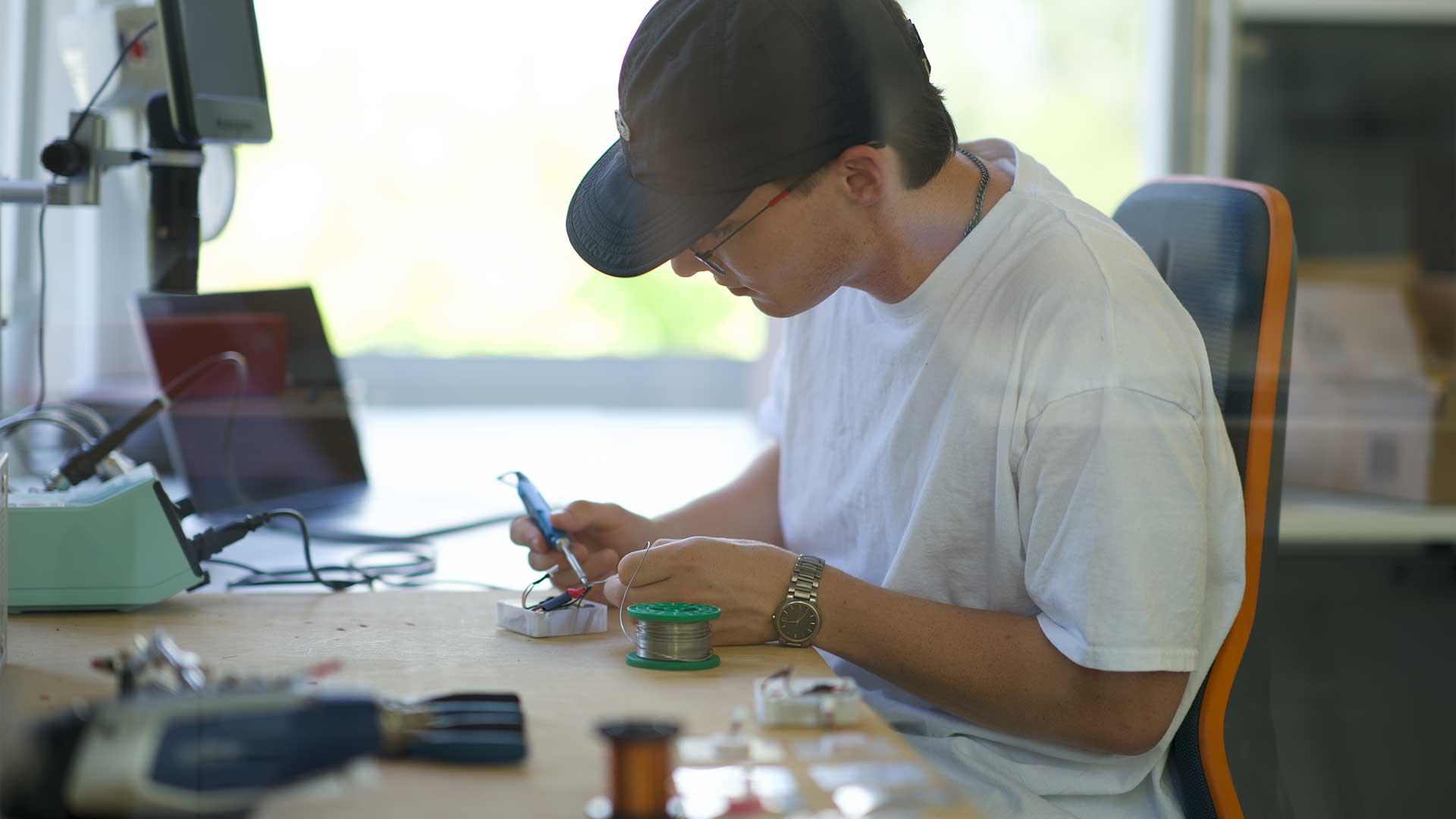
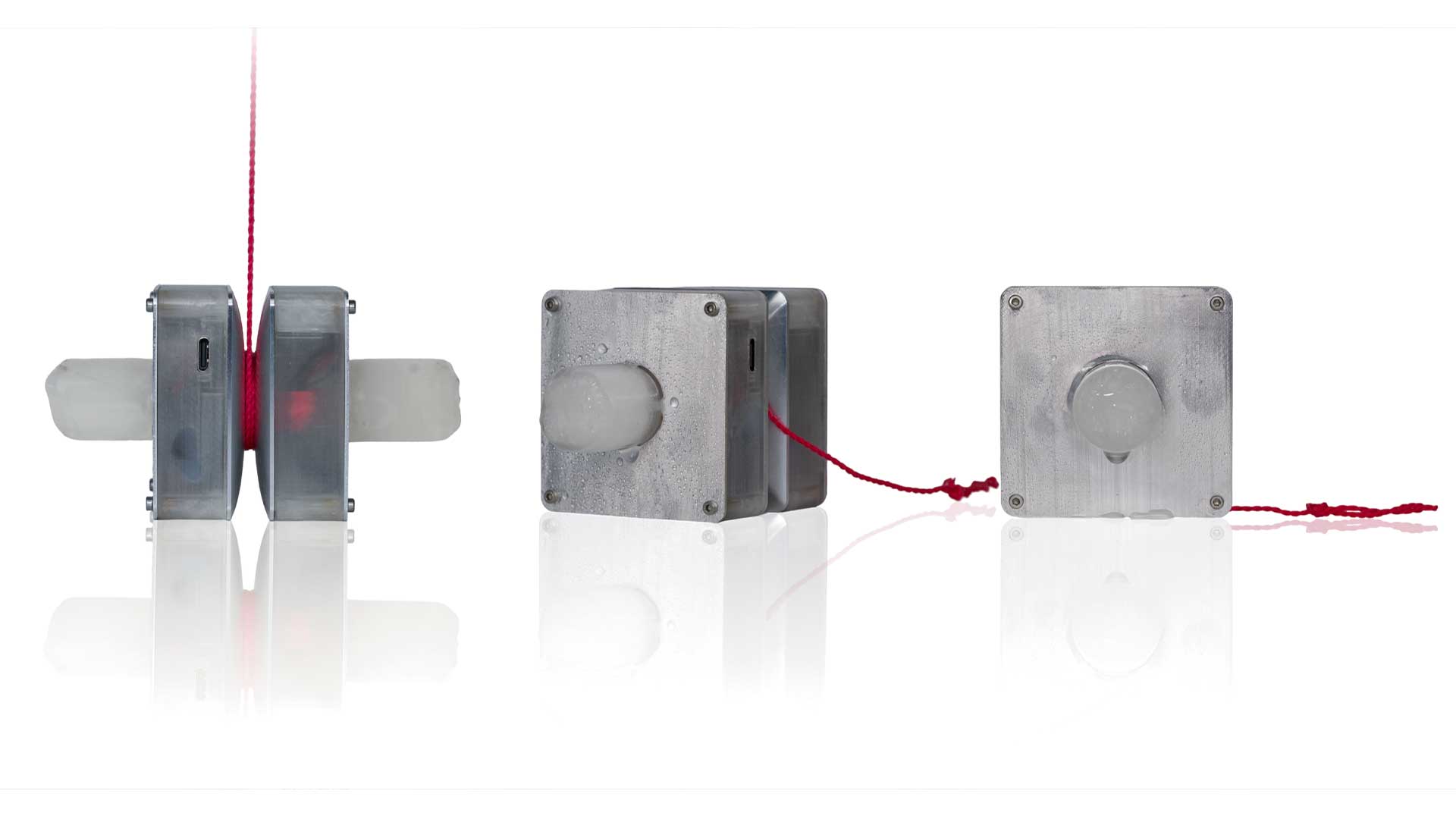
Conrad chose a square form for the yoyo, even though a round shape would have been easier to make and more naturally suited to the object. The decision was deliberate. The geometry gives the yoyo a technical, constructed character, making its relationship with the organic material inside more apparent.
The outer plates are made of aluminium and are left unpolished. Instead of hiding how they were made, the surfaces keep the marks from the machines. These marks show how the object was built, making it clear that it was shaped by a technical process, not made to look perfect.
The same idea applies to the 3D-printed parts. A shiny glass cover could have made the ice seem special or far away. The printed material shows it was made and gives a sense that something is inside, without showing it all at once. Technology is not hidden; it is shown as part of the whole.
Inside, the design is practical. The inner part must have the right shape and balance for the yoyo to work, but it also has to fit the square outside. This creates a useful tension between what is needed for play and a shape that is not typical for a yoyo.
The shape also brings back one of Conrad’s first ideas: a cylinder splitting in the middle. But ice melts too fast and gets too thin to do this job. Instead of letting the ice cause the break, Conrad used technology to make it happen. The look of ice breaking is still there, but now it is caused by a planned technical action, not just the material failing.

The yoyo is built around this tension.
When opened, each side contains two distinct elements: a technical setup and an ice cylinder. At the centre is the axis, where the strings attach and where the user takes control.
Once assembled, the yoyo works like a normal toy. But as it spins, the ice starts to melt. The technology senses this change. When the ice is gone, the two sides come apart, and the yoyo splits.
The failure does not come from nature or technology alone. It happens because of the conditions that let them stay connected.
The melting ice sets off a clear chain of events. As long as the ice is there, the yoyo works. When the ice is gone, the technology can no longer work as before.
Nature does not fail. It responds to its surroundings. The ice bends to the conditions created around it, changing state when those conditions become unsustainable.
Technology does not fail either. The yoyo works as planned. It notices when the ice is gone and reacts as it should.
The failure is ours.
As people, we stay connected to the system. We control the axis, set the conditions, and keep playing even as the relationship fades. The yoyo shows a common pattern: we get better at measuring change, but often do not change what causes it.
In this way, the yoyo is not just a warning about the future. It is a small example of what is happening now. A fragile partnership is already falling apart around us, and we often try to keep control instead of rethinking the whole system.
Just like an internship is temporary, so is its ice.
Our interns are now moving forward with their careers; Conrad is going to Sweden while Caro is leaving for Shanghai. This presentation was their "grand finale” with PHOENIX.
At least for now.
We'll keep in touch and watch their rise in the design world.
They leave us with an important question: If the system fails when nature is gone, maybe the real task is not to control the failure, but to change what causes it.
Sometimes, a simple object on a string can show us where control stops, and responsibility starts.